Wearable technology has changed the game because of the rise of smart technologies and the Internet of Things (IoT). Wearable technology is changing the way we live, work, and interact with the world around us. This includes fitness trackers, medical monitoring gadgets, and headsets for virtual and augmented reality. A lot of companies are spending a lot of money on new wearable devices that look attractive, have strong sensors, and are easy to connect to so that consumers may have smart experiences.
This page covers all the information you need to know about making Wearable product development, such as the main steps, the technology, the problems, and the future of this quickly increasing industry.
How do you make something that people can wear?
Wearable product development is the process of making smart items that can be worn on the body by designing, making, and testing them. Most of the time, these devices connect to cell phones or cloud services to gather, process, and analyze data in real time. The goal is to improve users' health, productivity, and happiness by giving them individualized information and tools they can use.
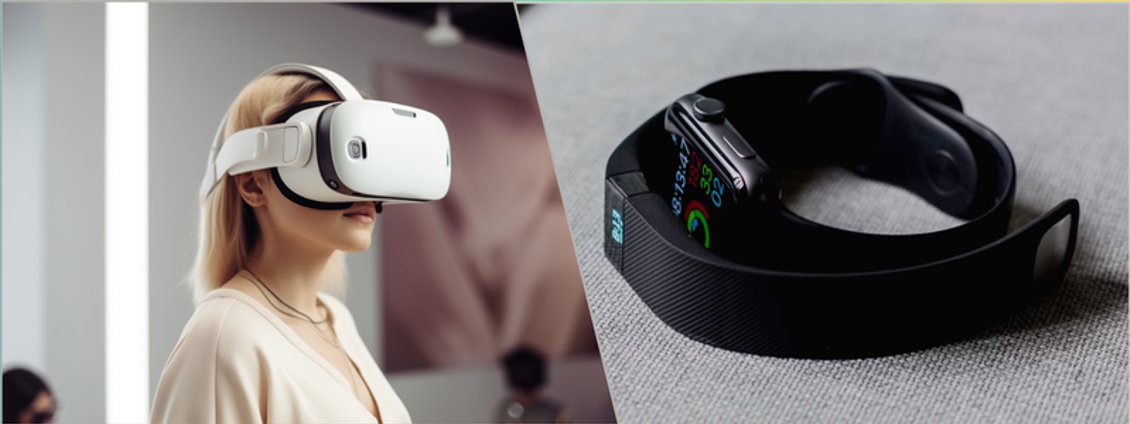
Fitness bands and smartwatches are only two examples of wearable devices.
AR/VR headsets and smart glasses
Things that help you maintain track of your health
Clothes and accessories that are smart
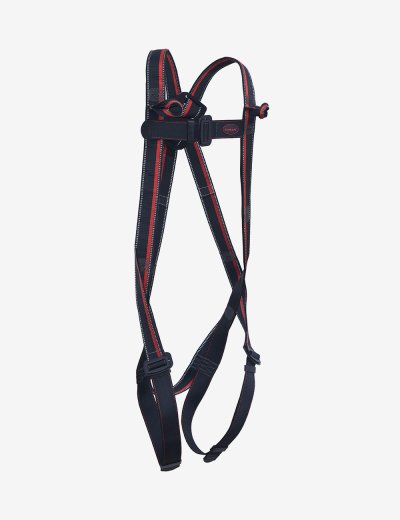
Wearable gear that helps you stay safe and keep track of your work performance
Hardware engineering, software development, UI/UX design, and data analytics are all steps in making things that are smart, comfortable, and reliable.
Important Steps in Making Wearable Things
1. Come up with a concept and look into it.
The first stage to building a successful wearable technology is to come up with a new idea and do market research to support it. At this step, businesses choose what the product will be, who it will be for, and how much money it could make. Most research is about finding out what consumers don't like, seeing what other companies are doing, and testing out a new technology.
2. Making prototypes and designing for business
The following phase is to figure out how the product will look, feel, and be made, as well as its size. The idea is to make the wearable look good and work well. Designers make 3D models and prototypes to see how easy and comfortable the product is to use.
3. Making and designing hardware
The hardware is what makes a device you can wear work. Engineers choose sensors, microcontrollers, and batteries that fulfill standards for performance and power efficiency. You also design printed circuit boards (PCBs) and make sure that the layout is as simple and reliable as possible at this point.
4. Writing software and firmware
Firmware connects the hardware to the software. This procedure comprises making the device's operational logic, connectivity modules (Bluetooth, Wi-Fi, LTE), and the ability to sync with mobile or cloud platforms. Software developers also make companion apps that make the user experience better by giving them real-time data, tracking, and alerts.
5. Testing and confirming
Testing wearable things to make sure they are safe, pleasant, long-lasting, and accurate is very important. To make sure they fulfill industry standards, devices are subjected through harsh tests for functionality, mechanics, and the environment. Testing in the real world also helps things work better and makes the user experience better.
6. Making things and constructing things
The product is ready for mass production after testing the prototype. Companies make sure that their supply chains are well-managed, that their products are put together correctly, and that they fulfill international standards like ISO, CE, and FCC.
7. Help and updates after the launch
To stay successful for a long time, a product has to get regular software upgrades, firmware enhancements, and help from customers. Feedback from users helps us think of new features and ways to make things better.
Things You Can Wear That Are Possible
Wearable tech today incorporates a mix of new technologies, such as IoT Connectivity, which makes it easy for wearables and smart devices or cloud systems to talk to one other.
With AI and machine learning, computers can seek for patterns in data, make guesses, and do other smart things.
Sensors and actuators watch things like the temperature, heart rate, movement, and the environment.
Low-Power Electronics: Extend the life of the battery without affecting performance.
You can store data, sync it, and see it in real time with cloud computing.
5G and edge computing will make next-generation wearables more responsive and connected.
Problems with making things that people can wear
It's hard to make electronics that you can wear, but there are limitless options.
Power Efficiency: Making sure the battery lasts a long time and can still do a lot of things.
Miniaturization is the process of putting complicated hardware into small, light forms.
Data Security and Privacy: Keeping hackers from getting to sensitive user data.
Comfort and Usability: Making wearables that are comfortable and easy to use for a long time.
Integration and Compatibility: It works well on all devices and platforms.
Hardware developers, software engineers, and UX designers need to work together to fix these problems so that performance and user enjoyment are in the right proportion.
How to Use Wearable Technology
Wearable technology is changing a lot of things, including healthcare, where it might help with things like keeping an eye on patients all the time, tracking fitness, and making early diagnoses.
Sports and Fitness: Watching health indicators and performance in real time.
Wearable gear that enables you keep an eye on the health of the environment and the safety of workers.
Smartwatches, headphones, and AR/VR devices are all examples of consumer electronics that may be used for both work and fun.
Tactical wearables for use by the military and police Let you know what's going on around you and talk to other individuals.
The Future of Making Wearable Things
Wearable gear will be more personalized, use less energy, and be powered by AI in the future. Smart fabrics, sensors built into things, and electronics that work with living things are just some of the new innovations that will change how people and technology interact. AI and the Internet of Things (IoT) will make wearables a lot smarter. They will be able to predict health concerns, improve performance, and make life better for individuals.
Wearable technology is entering a new era of constant connectivity and immersive experiences because to the rise of metaverse technologies and 5G networks.
Conclusion
Wearable goods are developed by combining technology, design, and how people use them. It gives companies the tools they need to produce smart devices that do more than just work; they also make life better. More and more customers want smart gadgets, therefore brands that want to stay ahead in the digital transformation race need to invest in wearable technology.
A professional firm that makes wearable devices will have the skills, tools, and information you need to make your ideas come to life.
Questions and Answers
How do you make something that you can wear?
Wearable product development is the process of making smart gadgets that can be worn on the body, including fitness trackers, smartwatches, or medical monitoring systems.
Q2: What kinds of technology do wearable devices use?
Wearable gadgets employ cloud computing, AI, sensors, low-power electronics, and IoT connectivity to get and process data in smart ways.
Q3. How long does it take to make something you can wear?
The time span can be anywhere from six to eighteen months, depending on how challenging the job is. It includes steps like coming up with an idea, making a prototype, testing it, and making it.
Q4. What are the hardest parts of developing products that people can wear?
Some of the problems are making things smaller, using less electricity, keeping data safe, and making sure the device works while keeping people comfortable.
Q5: Why is it so crucial to make products that you can wear?
It helps businesses produce smart, connected goods that make people's lives better, help them stay healthy, and help them get more done. This is in keeping with the trend of digital transformation that is rising.
Tags : Wearable product development