The Overlooked Weak Point in Facility Security
When businesses think about security, they often invest heavily in surveillance cameras, alarm systems, and on-site personnel. However, one of the most critical vulnerabilities is frequently overlooked—vehicle entry points.
A single unauthorized vehicle entry can lead to serious operational, financial, and safety consequences. Uncontrolled or poorly managed entry gates often become the easiest access route for unauthorized vehicles, creating significant risks for both people and assets.
The Most Common Security Gaps in Commercial Facilities
Many commercial properties unknowingly operate with weak security layers. Some of the most common gaps include:
- Unrestricted or poorly monitored vehicle entry
- Manual verification processes prone to human error
- Lack of real-time vehicle tracking
- No centralized access control system
- Inconsistent security checks during peak hours
Security assessments indicate that poorly managed entry points contribute to a significant percentage of unauthorized access incidents in commercial facilities.
Why Manual Security Systems Are No Longer Enough
Traditional security methods such as guards and manual logs are no longer sufficient in high-traffic or high-risk environments.
Manual systems often result in:
- Missed or incomplete verification
- Delays that lead to rushed security checks
- Lack of proper documentation
- Inability to track historical data
In environments with high vehicle movement, these limitations increase the likelihood of security breaches and unauthorized access.
The Hidden Risk of Uncontrolled Vehicle Access
Vehicles entering a facility without proper authorization pose a serious threat. Unlike pedestrian access, vehicle entry can bypass multiple security layers if not properly controlled.
Potential risks include:
- Unauthorized vehicles bypassing entry checks and gaining direct access to restricted zones
- Theft, vandalism, or asset damage
- Disruption of operations and logistics
- Safety risks for employees and visitors
Without structured access control, even well-secured facilities remain exposed to critical vulnerabilities.
How Modern Access Control Systems Eliminate Security Gaps
To address these challenges, organizations are shifting toward automated access control systems that ensure consistent and reliable security enforcement.
Modern solutions help:
- Authenticate vehicles before entry
- Maintain accurate digital entry-exit logs
- Enable real-time monitoring and alerts
- Reduce dependency on manual intervention
- Strengthen overall security infrastructure
Automation ensures that access decisions are accurate, consistent, and scalable.
Role of Boom Barrier Systems in Strengthening Security
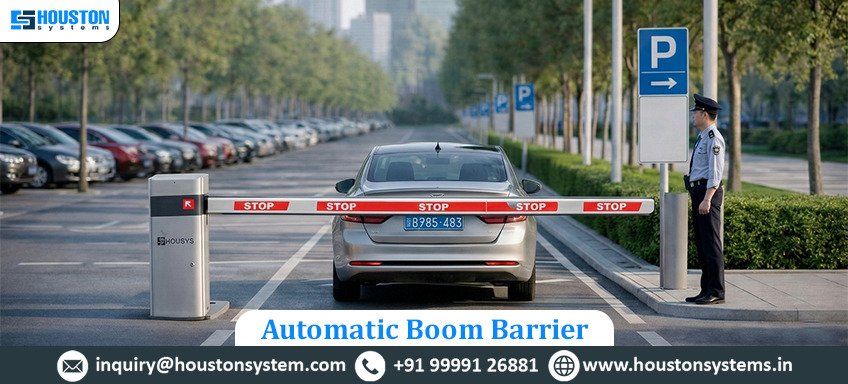
One of the most effective ways to secure vehicle entry points is through vehicle access control solutions using boom barriers. These systems act as both a physical and automated checkpoint, ensuring that only authorized vehicles can enter the premises.
When integrated with technologies such as RFID or number plate recognition, boom barriers provide:
- Controlled and verified vehicle access
- Instant authentication
- Prevention of unauthorized entry
- Seamless coordination with security systems
This combination of physical restriction and digital verification creates a strong and reliable first line of defense.
Real-World Scenario: Strengthening Security in Industrial Facilities
Consider an industrial facility where vehicle entry was previously managed manually. Security personnel relied on visual checks and logbooks, leading to inconsistent verification and lack of accountability.
Before automation:
- No real-time tracking of vehicle entry
- Inconsistent verification processes
- Increased risk of unauthorized access
After implementing an automated boom barrier system integrated with RFID:
- Unauthorized vehicle entries were effectively eliminated
- Verification became instant and accurate
- Entry records were digitally maintained
- Security monitoring improved significantly
This transformation shifted the facility’s security approach from reactive to proactive.
Key Features of an Effective Access Control System
When upgrading security infrastructure, businesses should look for:
- Automated vehicle authentication systems
- Integration with RFID or ANPR technologies
- Real-time monitoring and alert mechanisms
- High durability for continuous operation
- Centralized control and reporting capabilities
Selecting the right system ensures long-term security and operational efficiency.
The Future of Security in Smart Infrastructure
As commercial infrastructure evolves, security systems are becoming more intelligent and interconnected. Access control is no longer limited to basic entry management—it is now part of a broader ecosystem involving IoT, cloud platforms, and data analytics.
Boom barrier systems, combined with smart technologies, are playing a crucial role in building secure, scalable, and future-ready environments.
Conclusion
Security gaps at vehicle entry points are often underestimated, yet they pose some of the most significant risks to commercial properties. Relying on outdated manual systems leaves facilities vulnerable to unauthorized access and operational disruptions.
By implementing modern access control solutions such as boom barrier systems, organizations can eliminate vulnerabilities, enhance security, and ensure smooth operations.
Organizations that prioritize secure and automated vehicle access control are better equipped to prevent risks, maintain operational integrity, and adapt to future security challenges.