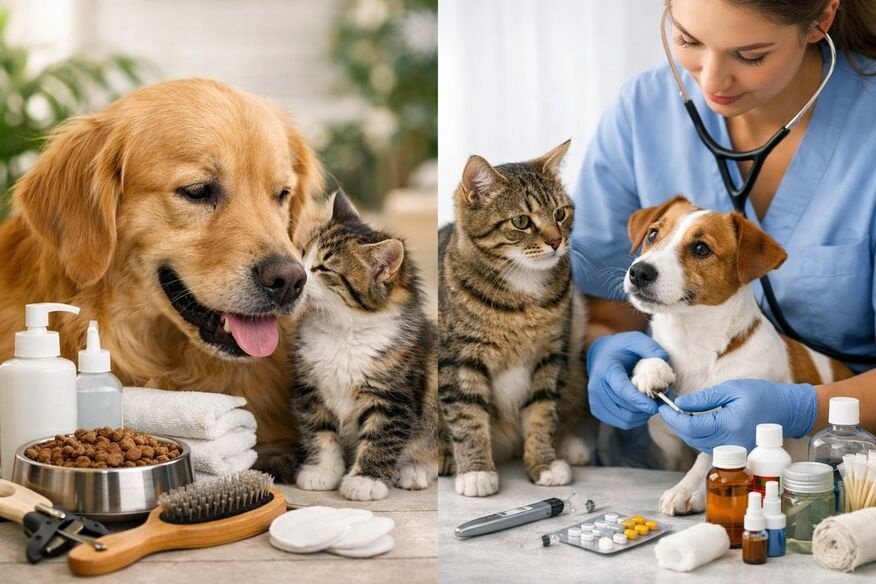
Moving is stressful enough on its own. Add a pet to the mix, and one of the first things you need to sort out is finding a new veterinary clinic in an area you are still getting to know. You cannot just rely on the same clinic you used for years, and you do not have the luxury of asking neighbors for recommendations yet.
The process does not have to be difficult, though. A few focused steps will get you to a reliable veterinary clinic without a lot of trial and error.
Start with Your Current Vet
Before you move, ask your current veterinarian for a copy of your pet's full medical history. This includes vaccination records, lab results, any diagnoses, surgical history, and a list of current medications. Having this ready will make the transition to a new clinic much smoother.
Your vet may also be able to refer you to a trusted colleague or practice in your new area, particularly if you are moving to a city where they have professional connections. It is worth asking.
Research Before You Arrive
Do not wait until you are already unpacking boxes to start looking for a vet. Use your new zip code or neighborhood name to search for veterinary clinics in the area. Look at their websites, check their services list, and confirm they see your type of pet.
Pay attention to whether the clinic has been around for a while. An established practice with a stable team of veterinarians tends to offer more consistent care than one with high staff turnover. When researching options in Marana or northwestern Tucson, a practice like Marana Vet with a clear services list and documented community presence is a reasonable starting point for your research.
Read Reviews with Fresh Eyes
When you are new to an area, online reviews carry more weight because you do not yet have personal recommendations to fall back on. Read through both positive and negative reviews carefully.
Positive reviews that mention specific vets by name, talk about clear communication, or describe how the clinic handled an emergency or a difficult diagnosis are the most useful. Generic five-star reviews that just say 'great place' do not tell you much.
Community forums, neighborhood apps, and local Facebook groups are also worth checking. Residents in the area will often recommend or warn against specific clinics with more detail than you find on Google. Look up Marana Vet Clinic or other area practices on these platforms to get a fuller picture before you commit.
Schedule a Meet-and-Greet or Wellness Visit Early
Even if your pet does not need anything urgently, booking a basic wellness exam at your new clinic is a smart move. It lets you evaluate the facility, meet the staff, and get a sense of how the practice operates before you actually need care.
During this visit, watch how the vet communicates. Do they explain things clearly? Do they seem interested in your pet's history, or do they rush through the exam? Do the staff handle your animal calmly? These first impressions tend to hold up over time.
A well-run clinic like Marana Veterinary Clinic will take the time to review your transferred records, ask about your pet's habits and history, and make you feel like a patient rather than a walk-in.
Confirm the Services That Matter to You
Every clinic offers slightly different services. Some have in-house labs that can turn around blood work in hours. Others send samples out and take days. Some have digital X-ray equipment on site. Others refer out for imaging.
Think about what your pet actually needs. An older pet with ongoing health issues needs a clinic with strong diagnostic capabilities and a vet who is willing to stay engaged between appointments. A young, healthy pet may just need routine preventive care, which most clinics handle well.
Also confirm the clinic's policy on emergencies. If your pet gets sick on a Sunday evening, what are your options? Knowing this in advance saves a lot of panic later.
Factor in Practical Details
Consider how far the clinic is from your new home, what the parking situation looks like, and whether their appointment availability fits your schedule. If you work standard hours, a clinic that closes at 5 pm on weekdays may not be realistic for routine visits.
For those settling in the northwest Tucson area, the Marana Veterinary Clinic in AZ is positioned to serve the local community with accessible hours and a comprehensive service offering that reduces the need to drive farther into the city for specialized care.
Give It Time
You might not find the perfect fit on your first try. That is okay. If after a few visits something feels off, whether it is poor communication, long waits, or a vet who does not seem engaged, it is completely reasonable to look for another option.
Moving is a reset in many ways. Use it as an opportunity to find a veterinary team that genuinely supports your pet's health for the long term, not just the next checkup.
FAQ
Q: How soon after moving should I find a new vet?
A: Ideally before you move, or within the first two to four weeks of arriving. Do not wait until your pet needs urgent care to establish a relationship with a new clinic.
Q: Can I transfer my pet's records to a new vet clinic?
A: Yes. Request a full copy of your pet's records from your current vet before you move. Most clinics will send them directly to your new vet once you provide the new clinic's contact information.
Q: What if there are no great options near my new home?
A: Expand your search radius. A clinic that is 20 minutes away but highly rated may be worth the extra drive compared to a closer clinic with poor reviews or limited services.
Q: Is it okay to use an emergency animal hospital temporarily?
A: For urgent needs, yes. But emergency hospitals are not a substitute for a primary care vet. Establish a regular clinic as quickly as you can so your pet has consistent care and a complete medical record.
Q: How many vet clinics should I visit before choosing one?
A: Visiting two or three is reasonable. It gives you enough comparison without dragging out the process. If your first visit checks all the right boxes, there is no need to keep looking.