Why Custom Software Development Is a Game-Changer for Pharma Manufacturing Companies
By Arobit Tech 16-04-2026 154
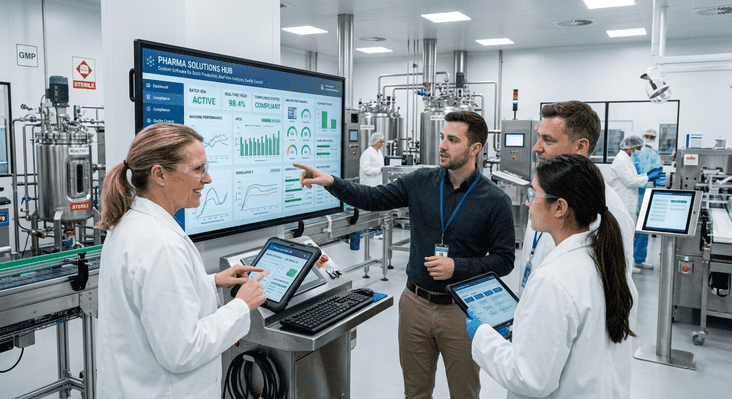
The pharmaceutical manufacturing industry is one of the most complex and highly regulated sectors in the world. From maintaining strict quality standards to managing large-scale production and compliance requirements, companies face constant operational challenges. To overcome these, many businesses are turning to tailored digital solutions built by a reliable software development company that understands their unique needs. Custom-built systems are helping pharma manufacturers move beyond limitations and achieve better control, efficiency, and innovation.
Understanding the Need for Custom Software in Pharma
Pharma manufacturing involves multiple interconnected processes such as research, formulation, testing, production, packaging, and distribution. Each stage must follow strict guidelines set by regulatory authorities. Generic software often fails to handle these specialized workflows effectively.
This is where custom software development for pharma manufacturing becomes essential. Unlike off-the-shelf solutions, custom software is designed specifically for a company’s operations. It adapts to existing processes instead of forcing businesses to change how they work. This makes operations more efficient while lowering the chances of interruptions.
Improving Compliance and Regulatory Management
Regulatory compliance plays a vital role in the pharmaceutical industry. Companies must follow guidelines from organizations such as FDA, WHO, and other local authorities. Failure to comply can result in serious consequences, including product recalls or legal penalties.
Custom software helps manufacturers maintain accurate records, automate documentation, and track every stage of production. It ensures that all processes are aligned with regulatory standards. Audit trails, real-time monitoring, and automated reporting make it easier for companies to stay prepared for inspections.
Enhancing Operational Efficiency
One of the biggest advantages of custom solutions is improved efficiency. Manual processes and disconnected systems often slow down production and increase the risk of errors. Custom software integrates all operations into a single platform, making it easier to manage tasks.
For example, inventory management, production scheduling, and quality control can all be handled within one system. This reduces duplication of work and saves time. Employees can focus on critical tasks rather than repetitive manual work, leading to higher productivity.
Better Data Management and Decision-Making
Pharma manufacturing generates a large amount of data every day. Managing and analyzing this data is crucial for making informed decisions. However, traditional systems often struggle to handle complex data efficiently.
Pharmaceutical software solutions enable organizations to handle and interpret data quickly as it is generated. This allows managers to identify trends, monitor performance, and make quicker decisions. Accurate data also helps in forecasting demand, reducing waste, and improving overall planning.
Scalability and Flexibility
As pharmaceutical companies grow, their operational needs change. Off-the-shelf software may not be able to scale or adapt to new requirements. This can limit business growth and create inefficiencies.
Custom software is designed to grow and adapt as the business expands. It can be updated and expanded as the company grows. Whether it is adding new production lines, entering new markets, or meeting new regulatory requirements, custom solutions can evolve without major disruptions.
Strengthening Quality Control
Maintaining product quality is critical in pharma manufacturing. Even a small error can affect patient safety and damage a company’s reputation. Custom software helps enforce strict quality control measures at every stage of production.
Automated checks, real-time monitoring, and detailed reporting ensure that quality standards are consistently met. Any inconsistencies can be quickly detected and addressed without delay. This reduces the chances of defective products reaching the market.
Integration with Advanced Technologies
Modern pharma manufacturing is increasingly adopting technologies such as AI, IoT, and automation. Integrating these modern technologies into existing systems is often complex and requires careful planning.
Custom software makes it easier to incorporate advanced tools into daily operations. For example, IoT devices can be used to monitor equipment performance, while AI can help predict maintenance needs or optimize production schedules. This helps create more intelligent and streamlined manufacturing operations.
Improved Security and Data Protection
Pharmaceutical companies deal with sensitive data, including research information, patient data, and proprietary formulas. Protecting this data is extremely important.
Custom software provides better security compared to generic solutions. It can be designed with specific security features such as access controls, encryption, and secure data storage. It reduces potential security threats and ensures that data handling follows regulatory guidelines.
Cost-Effectiveness in the Long Run
Although custom software may require a higher initial investment, it proves to be cost-effective over time. Off-the-shelf software often comes with recurring licensing fees and may require additional tools to meet specific needs.
Custom solutions eliminate unnecessary features and focus only on what the business requires. This reduces operational costs and improves return on investment. Additionally, improved efficiency and reduced errors contribute to long-term savings.
Conclusion
Custom software development is transforming the way pharmaceutical manufacturing companies operate. By offering tailored solutions, it addresses industry-specific challenges and provides greater control over processes. From improving compliance and efficiency to enabling better decision-making and scalability, custom software plays a crucial role in driving growth and innovation.
As the industry continues to evolve, companies that invest in customized digital solutions will be better positioned to stay competitive and meet increasing demands. Choosing the right development approach can make a significant difference in achieving long-term success.
FAQs
1. What is custom software development in pharma manufacturing?
It refers to building software solutions specifically designed to meet the unique needs of pharmaceutical manufacturing processes, rather than using generic tools.
2. How does custom software help with regulatory compliance?
It automates documentation, tracks processes, and maintains accurate records, making it easier to meet regulatory standards and pass audits.
3. Is custom software expensive for pharma companies?
While the initial cost may be higher, it reduces long-term expenses by improving efficiency, reducing errors, and eliminating unnecessary features.
4. Can custom-built software connect smoothly with existing tools and platforms?
Yes, custom solutions are designed to integrate seamlessly with existing tools and technologies used by the company.
5. Why is data security important in pharma software?
Pharmaceutical companies handle sensitive data, so strong security measures are necessary to prevent data breaches and ensure compliance with regulations.