Introduction
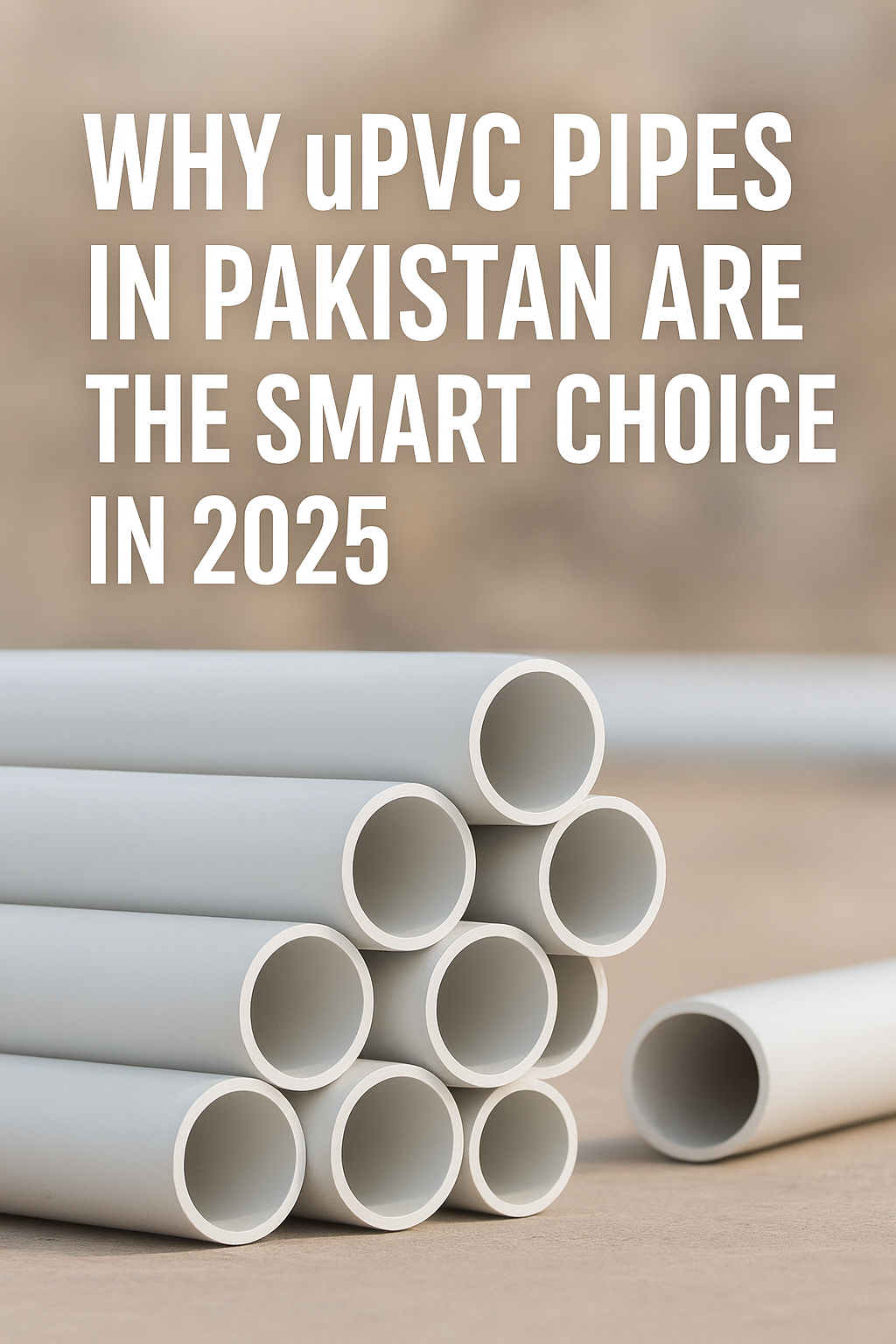
Over the last few years, the construction and plumbing industry in Pakistan has seen rapid changes. Among the materials leading this transformation, uPVC pipes have become a reliable option for residential, commercial, and industrial projects. They’re durable, lightweight, resistant to corrosion, and suitable for both water and drainage systems.
In this guide, we’ll talk about why uPVC pipes in Pakistan are widely used in 2025, their benefits, applications, and even touch on the PVC electrical tape price in Pakistan—an important accessory for electrical work.
Why uPVC Pipes in Pakistan Are a Game-Changer in 2025
uPVC (Unplasticized Polyvinyl Chloride) is a rigid form of PVC that does not contain plasticizers. This makes it strong, durable, and resistant to weather conditions. In Pakistan, uPVC pipes are now a preferred choice for water supply, irrigation, and drainage systems due to their long service life and low maintenance requirements.
The rising urbanization and increased construction projects across cities like Karachi, Lahore, and Islamabad have boosted the demand for these pipes. From housing societies to commercial complexes, uPVC is becoming a go-to solution for plumbing needs.
Understanding uPVC and Its Advantages
Before we get into applications, it’s important to understand what makes uPVC unique compared to other materials like steel or copper.
Durability – uPVC pipes can last over 50 years without significant wear.
Corrosion Resistance – They don’t rust, making them ideal for water transport.
Lightweight – Easier to transport and install compared to metal pipes.
Chemical Resistance – Suitable for carrying various liquids without damage.
Cost-Effective – Lower installation and maintenance costs over time.
Thermal Efficiency – Maintains water temperature better than metal pipes.
These benefits explain why they have become a trusted choice in Pakistan’s plumbing and construction industry.
Common Applications of uPVC Pipes in Pakistan
uPVC pipes are incredibly versatile. In Pakistan, you’ll find them being used for:
Domestic Water Supply – For residential homes and apartment complexes.
Irrigation Systems – Widely used in agriculture to transport water to crops.
Sewerage and Drainage – Their chemical resistance makes them suitable for wastewater systems.
Industrial Applications – Transporting chemicals in manufacturing plants.
Rainwater Harvesting Systems – Collecting and channeling rainwater effectively.
This range of uses shows that uPVC pipes are not just for construction professionals—they’re also valuable for farmers, engineers, and industrial operators.
PVC Electrical Tape Price in Pakistan and Its Role in Construction
While uPVC pipes handle water supply and drainage, PVC electrical tape is another important component in construction and maintenance work.
PVC electrical tape is used to insulate electrical wires and connections, providing safety and preventing short circuits. It’s flexible, moisture-resistant, and available in different colors for coding wires.
In 2025, the PVC electrical tape price in Pakistan varies depending on brand, width, and length. On average, prices range from PKR 40 to PKR 150 per roll in local markets. Quality brands may cost more, but they offer better adhesion and longer-lasting insulation.
By pairing durable uPVC pipes with reliable PVC electrical tape, electricians and plumbers can improve the overall safety and efficiency of construction projects.
Market Trends for uPVC Pipes in 2025
The market for uPVC pipes in Pakistan continues to grow due to several reasons:
Government Infrastructure Projects – Expanding water supply and sanitation networks.
Rural Development – Farmers shifting from traditional methods to modern irrigation systems.
Environmental Concerns – uPVC’s recyclability makes it attractive for eco-conscious projects.
Real Estate Growth – Housing developments demand cost-effective plumbing solutions.
Another interesting trend is the shift towards larger diameter uPVC pipes for high-capacity water transport in industrial zones.
Comparing uPVC Pipes with Other Materials
When it comes to plumbing and water transport, uPVC competes with materials like galvanized iron (GI) pipes, steel, and copper. However, each has its pros and cons:
Feature uPVC Pipes GI Pipes Copper Pipes
Durability Very High Moderate High
Corrosion Resistance Excellent Poor Good
Weight Light Heavy Moderate
Cost Affordable Moderate Expensive
Maintenance Low High Low
In most cases, uPVC offers the best balance of affordability, longevity, and performance.
Installation and Maintenance Tips for uPVC Pipes
To make the most of uPVC pipes, here are a few practical tips:
Proper Cutting – Use the right cutting tools to avoid cracks.
Secure Joints – Always use recommended fittings and solvent cement.
Avoid Excessive Heat – uPVC can soften if exposed to very high temperatures.
Regular Inspection – Check for leaks or damage periodically.
Following these steps can extend the life of your plumbing system and reduce unexpected repair costs.
The Future of uPVC Pipes in Pakistan
Looking ahead, it’s clear that the popularity of uPVC pipes in Pakistan will only increase. With urbanization, infrastructure expansion, and a focus on sustainability, the demand for durable, corrosion-resistant, and affordable piping solutions will keep growing.
Innovations like UV-resistant uPVC and high-pressure variants will make these pipes even more suitable for Pakistan’s diverse climate and industrial needs.
Conclusion
From urban water supply systems to rural irrigation setups, uPVC pipes in Pakistan have proven to be a practical and long-lasting solution. Their versatility, affordability, and eco-friendly properties make them a top choice for construction projects in 2025.
And while they handle water transport, don’t overlook smaller yet vital materials like PVC electrical tape, which contributes to safety and efficiency in electrical installations.
By understanding the benefits, applications, and market trends, professionals and homeowners alike can make better decisions when choosing materials for their projects.