Living in Melbourne means dealing with weather that can be famously unpredictable. We often joke about experiencing four seasons in a single day, but when you are trying to keep your home comfortable, that variability can be a real challenge. You might need cool air at noon and warm heating by the time the sun goes down. This is why so many Victorian homeowners are turning to versatile solutions for their climate control needs.
Among the various options available, a split system installation stands out as a favourite for local households. These units offer a practical, efficient, and flexible way to manage indoor temperatures. Whether you live in a classic weatherboard home in Ringwood or a modern townhouse in Croydon, understanding the benefits of these systems can help you make the right choice for your comfort.
Here are the top 10 benefits of choosing a split system for your Melbourne home.
1. Energy Efficiency and Cost Savings
Electricity costs are a major concern for Australian households. We all dread the arrival of the quarterly energy bill, especially after a particularly cold winter or a scorching summer. One of the primary advantages of a modern split system installation is the incredible energy efficiency these units offer.
Unlike older electric bar heaters or inefficient portable units that chew through power, modern split systems use inverter technology. This allows the motor to adjust its speed to maintain the temperature rather than stopping and starting constantly. For Melbourne residents, this means the unit works smarter, not harder, keeping your energy consumption lower. Over time, the savings on your electricity bill can offset the initial setup cost.
2. Dual Functionality: Heating and Cooling
Space is often at a premium in modern homes. Having separate systems for heating and cooling takes up room and doubles the maintenance requirements. A major benefit of a reverse cycle split system installation is that you get two solutions in one package.
With the press of a button, you can switch from cooling your living room during a January heatwave to warming it up during a chilly July evening. This versatility is perfectly suited to Melbourne's fluctuating climate. One wall-mounted unit handles it all.
3. Easy and Non-Invasive Installation
Installing a fully ducted system can be a massive undertaking. It often requires significant roof space, cutting large holes in ceilings, and sometimes even structural modifications. For many homes, especially older Victorian terraces or apartments with concrete ceilings, this simply isn't feasible.
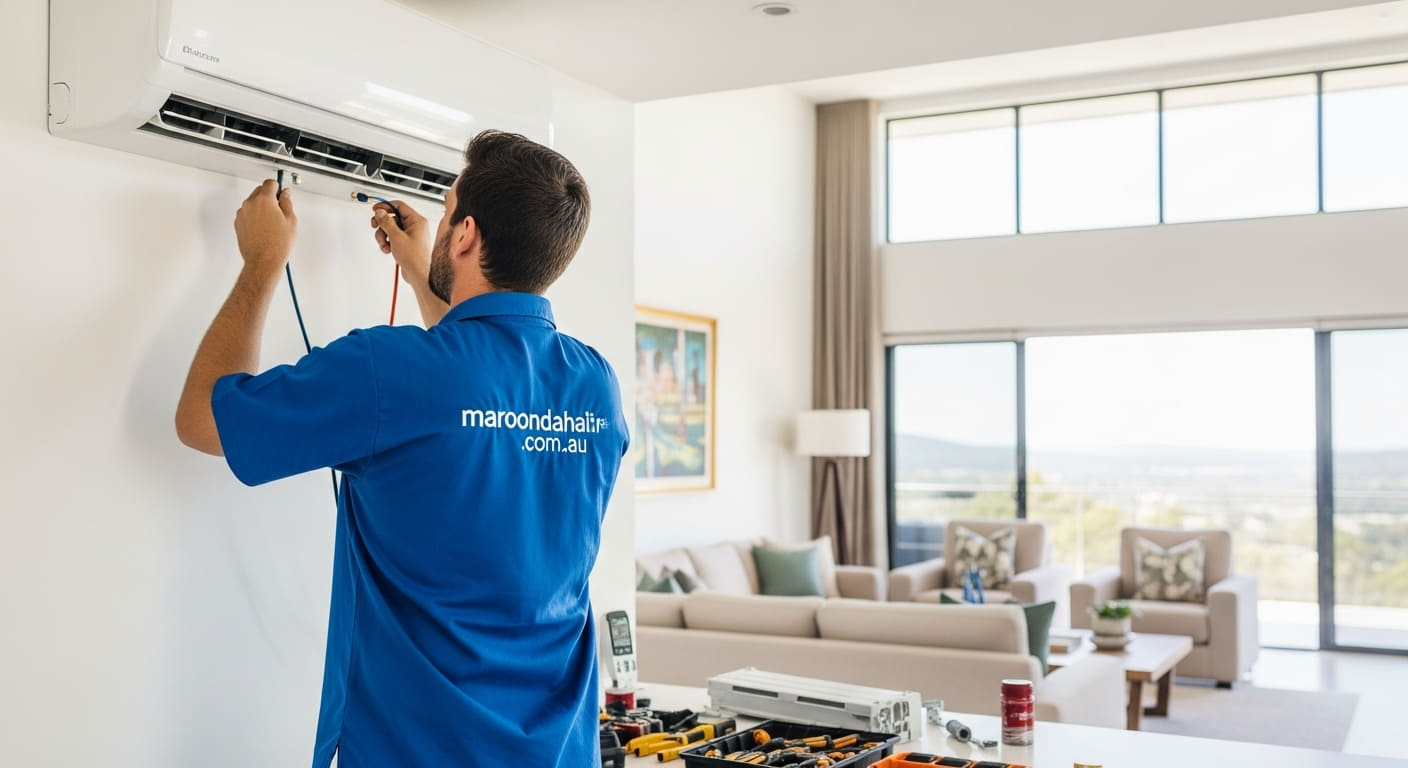
A split system installation is much less invasive. It requires only a small hole through the wall to connect the indoor unit to the outdoor compressor with copper piping and cabling. This makes it an ideal choice for renovations, extensions, or homes where roof space is limited. The process is generally quicker and creates less mess than installing a ducted network.
4. Zoned Temperature Control
In a typical family home, you rarely occupy every room at once. Why pay to heat the guest bedroom or the formal dining room when everyone is gathered in the living area? Centralised systems often heat the whole house, which can be wasteful.
With a split system installation, you gain the ability to zone your home effectively. You can install a unit in the main living area and smaller units in the bedrooms. This allows you to run the heating or cooling only where you need it. If you are working from a home office, you can keep that single room comfortable without wasting energy on the rest of the house.
5. Improved Air Quality
Melbourne is often called the hay fever capital of the world. During spring, pollen counts skyrocket, making life miserable for allergy sufferers. What many people do not realize is that their choice of climate control can impact indoor air quality.
Modern split systems come equipped with advanced filtration systems. As the unit cycles air through the room, the filters trap dust, pollen, and other airborne particles. Some advanced models even have air-purifying features that break down odours and bacteria. A professional split system installation ensures that these filters are easily accessible for regular cleaning, helping you keep the air in your home fresh and healthy.
6. Quiet Operation
Noise pollution is a real issue, especially in suburban areas where houses are built close together. The last thing you want is a heater that rattles or a cooler that drones on loudly while you are trying to sleep or watch TV.
Split systems are renowned for their whisper-quiet operation. Because the noisy part of the system—the compressor and fan—is located outside the house, the indoor unit makes very little sound. In "quiet mode," many units are barely audible. This makes a split system installation perfect for bedrooms or nurseries where silence is golden.
7. Solar Power Compatibility
Australia has one of the highest rates of rooftop solar uptake in the world. If you have solar panels on your roof, it makes sense to choose electric appliances that can run off your generated power.
Because split systems run on electricity, they pair perfectly with solar energy. You can run your cooling for essentially free during the day when the sun is shining. Even in winter, running the heating during daylight hours can pre-warm your home using solar power before the sun sets. This synergy makes a split system installation a smart financial and environmental choice for solar owners.
8. Modern and Sleek Design
Gone are the days of bulky, beige boxes hanging off the wall. Manufacturers now understand that homeowners care about aesthetics. Modern indoor units are designed to be sleek, unobtrusive, and stylish.
You can find units with matte finishes, curved edges, and compact profiles that blend seamlessly into contemporary Australian interiors. Some brands even offer designer series units in different colours. When you plan your split system installation, you can choose a location and a model that complements your decor rather than clashing with it.
9. Low Maintenance Requirements
Maintaining a climate control system should not be a headache. Complex systems with miles of ducting can hide dust, rodents, or disconnected pipes that are hard to find and expensive to fix.
Split systems are relatively low maintenance. The primary task for the homeowner is simply cleaning the filters every few months, which usually involves popping the front cover open, removing the mesh filters, and washing them in the sink. While you still need a professional to check the refrigerant levels and mechanics periodically, the day-to-day upkeep is minimal compared to other systems.
10. Increased Property Value and Rental Compliance
If you are an investment property owner in Victoria, you are likely aware of the rental reforms regarding minimum standards for heating. Rental properties must have a fixed heater in the main living area. A reverse cycle unit is often the most efficient way to meet this requirement.
Even for owner-occupiers, a professional split system installation adds value to the home. Potential buyers view effective, energy-efficient heating and cooling as a major plus. It signals that the home is modern and comfortable. It is an upgrade that often offers a good return on investment when it comes time to sell.
Questions and Answers: Common Questions About split system installation in Australia
Q: Do I need a permit for a split system installation?
Generally, you do not need a planning permit for a standard installation in a residential dwelling, provided the outdoor unit is not excessively noisy or visually intrusive to neighbours. However, if you live in a heritage overlay area or an apartment block with strata rules, you might need special permission. It is always best to check with your local council or body corporate. Furthermore, in Australia, the installation must be carried out by a licensed professional who can provide a Compliance Certificate.
Q: How do I choose the right size unit for my room?
Sizing is critical. If the unit is too small, it will run constantly and fail to reach the desired temperature. If it is too big, it will short-cycle (turn on and off rapidly), leading to wear and tear and humidity issues. A general rule of thumb in Australia is approximately 1.5kW of capacity for every 10 square meters of floor space, but this varies based on ceiling height, insulation quality, and window size. A professional installer can perform a load calculation to determine the exact size you need.
Q: Can I install the system myself to save money?
No, you cannot. In Australia, handling refrigerant gases requires a specific license issued by the Australian Refrigeration Council (ARC). Additionally, any hardwired electrical work must be done by a licensed electrician. DIY split system installation is illegal and will void your warranty. It can also be dangerous and result in hefty fines. Always hire a qualified tradesperson.
Q: What is the best location for the indoor unit?
The indoor unit should be placed high on a wall where airflow can reach the entire room without obstruction. It is best to avoid placing it directly above electronics or facing a window where the sun might affect the thermostat sensors. For the outdoor unit, a shady spot with good airflow is ideal to help the system run efficiently. Your installer will recommend the best position during the site inspection.
Q: How long does the installation process take?
One of the great things about this system is the speed of installation. A standard back-to-back installation (where the indoor unit is on the opposite side of the wall to the outdoor unit) usually takes between three to four hours. More complex installations requiring long pipe runs or roof mounting may take a full day. Compared to ducted systems which can take several days, a split system installation causes minimal disruption to your daily routine.
Conclusion: Your Path to a Successful split system installation in Australia
Choosing the right heating and cooling solution is about finding the balance between comfort, cost, and convenience. For many Melbourne homes, a split system installation hits the sweet spot across all these categories. From the energy savings provided by inverter technology to the improved air quality for allergy sufferers, the benefits are clear and tangible.
Whether you are looking to upgrade an old gas heater, fit out a new home office, or ensure your rental property meets Victorian standards, this technology offers a reliable solution. The key to getting the most out of your unit lies in professional sizing and installation. A unit that is correctly installed by a licensed expert will provide years of efficient, quiet, and reliable service.
If you are in the Maroondah area or surrounding eastern suburbs, ensuring your home is ready for the extremes of the Australian climate is a priority. By opting for a quality system, you are investing in year-round comfort for your family. Don't wait for the next heatwave or cold snap to make a move. Assess your needs, consult with a local expert, and enjoy the perfect indoor climate regardless of what the Melbourne weather decides to do outside.
Tags : split system installation