Why the Best Manufacturing ERP Software Is Becoming the Backbone of Fast-Growing Smart Factories
By Arobit Tech 20-05-2026 138
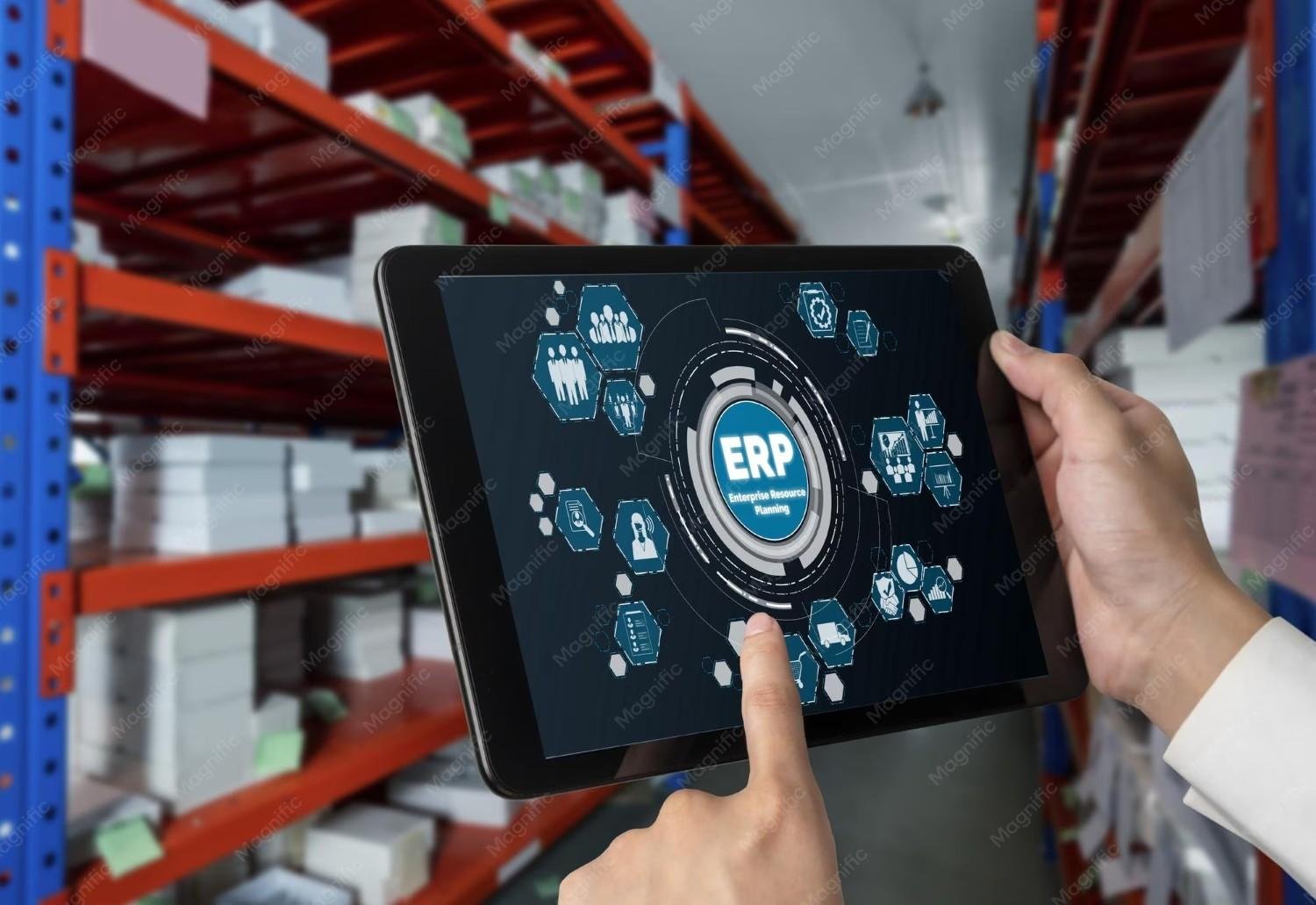
Manufacturing is changing faster than ever. Factories are no longer just about machines and assembly lines. Today, they are smart, connected, and data-driven. In this new world, the best manufacturing ERP software is playing a central role in helping factories grow without losing control. ERP systems now serve as the backbone of modern manufacturing, enabling real-time inventory tracking and coordinating production schedules across multiple shifts.
What Is a Smart Factory and Why Does It Need ERP?
A smart factory uses digital tools, sensors, and automated systems to improve how things are made. Machines talk to each other. Data flows continuously. Decisions happen faster. But all of this technology creates a new challenge: how do you manage massive amounts of information coming from different parts of the factory at the same time?
That is exactly where ERP software steps in. It connects every department, from procurement and production to finance and shipping, into one unified system. Instead of using separate tools for each function, manufacturers get a single platform where everything works together.
Real-Time Visibility Drives Smarter Decisions
One of the biggest advantages ERP brings to smart factories is real-time visibility. Managers no longer have to wait for end-of-day reports to understand what is happening on the floor. They can see live production data, inventory levels, machine performance, and order status from one dashboard.
This kind of instant access helps teams spot problems early, reduce waste, and respond quickly when something goes wrong. It also supports better planning, since decisions are based on actual data rather than guesswork.
Production Planning Becomes More Accurate
Fast-growing factories often struggle with production planning. When orders increase quickly, it is easy to overpromise delivery dates or run short on materials. ERP systems solve this by automating demand forecasting and production scheduling.
The software looks at incoming orders, available raw materials, machine capacity, and workforce availability to create realistic production plans. This means fewer delays, less downtime, and more satisfied customers. For manufacturers scaling rapidly, this kind of accuracy is not a luxury. It is a necessity.
Supply Chain and Inventory Management Get Smarter
Managing the supply chain in a fast-moving factory is complex. Materials need to arrive on time, stock levels must stay balanced, and supplier relationships need careful tracking.
ERP software gives manufacturers a clear view of their entire supply chain. It can automatically trigger purchase orders when inventory drops below a set level, track shipments in real time, and flag supplier delays before they affect production. This reduces the risk of costly stockouts or overstock situations that tie up working capital.
Quality Control Is Built Into the Process
In smart factories, quality is not just checked at the end. It is monitored throughout the entire production cycle. ERP systems support this by capturing quality data at each stage, tracking defect rates, and generating alerts when something falls outside the acceptable range.
This built-in quality management helps manufacturers maintain consistency, reduce rework, and meet compliance requirements without adding extra manual work.
Workforce and Cost Management Become Easier
Growing factories often hire quickly, which makes workforce management more complicated. ERP systems help by tracking labor hours, skill sets, and shift schedules in one place. This makes it easier to assign the right people to the right tasks and control labor costs.
On the financial side, ERP gives management a clear picture of production costs, overhead, and profitability. When leaders can see exactly where money is being spent, they can make smarter decisions about where to invest next.
Scaling Without Chaos
Perhaps the most important thing ERP does for fast-growing manufacturers is help them scale without losing control. Growth brings complexity. More orders, more suppliers, more employees, and more processes. Without a system to manage all of this, even well-run factories can fall into operational chaos.
ERP creates the structure needed to grow in an organized way. New locations, product lines, or business units can be added to the same system without starting from scratch.
Conclusion
Smart factories are built on smart systems. As manufacturing grows more complex and competitive, having the right technology in place is not optional. Working with an experienced ERP development company can help manufacturers implement a system that fits their specific needs and supports long-term growth. The factories that invest in strong ERP foundations today are the ones that will lead their industries tomorrow.
Frequently Asked Questions
1. What makes ERP software essential for smart factories?
ERP connects all departments and operations into one system, giving manufacturers real-time data, better planning tools, and the ability to manage growth without losing efficiency.
2. How does ERP improve production planning in manufacturing?
It automates scheduling by looking at orders, inventory, machine capacity, and workforce availability together, which results in more accurate timelines and fewer production delays.
3. Can small or mid-sized manufacturers benefit from ERP?
Yes. ERP systems are available in different sizes and price points. Even smaller manufacturers can benefit from better visibility, reduced waste, and improved order management.
4. How long does it take to implement a manufacturing ERP system?
Implementation time depends on the size of the business and the complexity of the system. It can range from a few months to over a year for larger operations.
5. What should manufacturers look for when choosing an ERP system?
They should look for industry-specific features, ease of integration with existing machines and tools, scalability, strong vendor support, and a clear implementation plan.