Why Proper Roof Ventilation Matters for Every Residential Roofing Project
By Alamo Roofing 23-07-2026 82
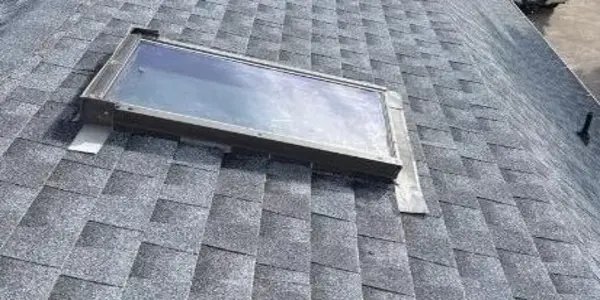
When homeowners think about a new roof, most of the attention goes to shingles, colors, or the type of roofing material. However, one of the most important parts of any residential roofing system is something that often goes unnoticed: proper roof ventilation. A well-designed ventilation system works behind the scenes to protect your home, improve energy efficiency, and extend the life of your roof.
Many roofing problems that appear to be caused by aging materials are actually linked to poor airflow in the attic. As professionals working on homes throughout Oregon, we've seen roofs that looked relatively new but suffered premature damage because excess heat and moisture had nowhere to escape. Whether you're planning a new installation, scheduling roof repair, or investing in long-term roof maintenance, ventilation should always be part of the conversation.
What Is Roof Ventilation and Why Does It Matter?
Roof ventilation is the process of allowing fresh outdoor air to enter the attic while letting warm, humid air escape through exhaust vents. This continuous airflow helps maintain balanced temperatures and moisture levels throughout the year.
Without proper ventilation, your attic can become extremely hot during summer and trap moisture during cooler months. These conditions gradually weaken roofing materials, reduce insulation performance, and create an environment where mold and wood rot can develop. A complete residential roofing service should always evaluate attic ventilation before recommending repairs or replacement because ventilation affects the performance of the entire roofing system.
How Poor Roof Ventilation Damages Your Home
Many homeowners don't realize they have a ventilation problem until expensive repairs become necessary. By then, the damage often extends beyond the roof itself.
Heat buildup in the attic can cause shingles to age much faster than expected. Constant high temperatures dry out roofing materials, making them brittle and more susceptible to cracking. At the same time, trapped moisture can soak roof decking and framing, weakening the structural components that support the roof.
We've inspected homes where recurring roof repair requests were solved not by replacing shingles again, but by correcting the attic ventilation system. Once airflow improved, moisture levels dropped and roofing materials performed as intended.
Why Roof Ventilation Is Especially Important in Oregon
Homes in Corvallis and throughout the Willamette Valley experience a combination of rainy seasons, cool temperatures, and warm summer days. These changing weather patterns create ideal conditions for condensation inside poorly ventilated attics.
Moisture from daily household activities such as cooking, showering, and laundry naturally rises into the attic. Without proper ventilation, that moisture condenses on cooler wood surfaces during colder months. Over time, this hidden moisture can contribute to mold growth, wood decay, insulation damage, and reduced indoor air quality.
A knowledgeable roofing contractor Corvallis homeowners trust understands these local climate challenges and designs ventilation systems that work specifically for regional weather conditions rather than relying on generic installation methods.
How Proper Ventilation Extends Roof Life
A roof is a significant investment, and every homeowner wants it to last as long as possible. Proper ventilation helps maximize that investment by reducing many of the conditions that accelerate roof deterioration.
Balanced airflow keeps attic temperatures more consistent throughout the year, reducing thermal stress on shingles and underlayment. Moisture is removed before it can damage wood decking, while insulation remains dry and effective.
Regular roof maintenance inspections often include checking intake and exhaust vents for blockages, animal nests, debris, or damaged vent covers. Small maintenance tasks like these can help prevent much larger roofing issues later.
Can Better Roof Ventilation Lower Energy Bills?
Yes. While ventilation isn't a replacement for quality insulation, it plays an important role in improving overall energy efficiency.
During hot summer weather, attics can become significantly hotter than outdoor temperatures. Without proper ventilation, that trapped heat radiates downward into living spaces, forcing air conditioning systems to work harder.
A properly ventilated attic allows excess heat to escape naturally, helping maintain more stable indoor temperatures. Many homeowners notice improved comfort in upstairs rooms after ventilation improvements are made during a residential roofing project.
Signs Your Roof May Have Ventilation Problems
Several warning signs may indicate that your attic isn't ventilating properly. Rooms directly below the attic may feel unusually hot during summer. Ice dams can develop in colder climates, while mold, mildew odors, or damp insulation may appear during wetter seasons.
You may also notice curling shingles, excessive granule loss, peeling paint near roof overhangs, or unusually high cooling costs. While these symptoms don't always point exclusively to ventilation issues, they're worth evaluating during any professional roof inspection.
An experienced roofing contractor Corvallis homeowners rely on will examine both the roofing materials and the attic conditions before recommending solutions.
Why Ventilation Should Be Included in Every Roofing Project
One common mistake is replacing an old roof without addressing the underlying ventilation system. Even premium roofing materials can experience shortened lifespans if installed over an attic that traps excessive heat and moisture.
Professional roofing assessments should include calculating ventilation requirements based on attic size, roof design, insulation levels, and local building codes. Proper intake vents, ridge vents, soffit vents, or other ventilation components should work together as a balanced system rather than operating independently.
This comprehensive approach helps ensure your investment in residential roofing service delivers long-term performance rather than temporary improvements.
Choosing the Right Roofing Professional
Not every roofing company approaches ventilation with the same level of attention. A quality contractor looks beyond visible roofing materials and evaluates how every component functions together.
When discussing your roofing project, ask whether attic ventilation will be inspected, whether airflow calculations will be performed, and how existing ventilation will be improved if needed. Contractors who explain the complete roofing system not just the shingles often provide more durable, cost-effective results.
If you're planning roof repair, replacing an aging roof, or scheduling routine roof maintenance, choosing an experienced roofing contractor Corvallis homeowners trust can help prevent hidden problems before they become expensive structural repairs.
Conclusion
Proper roof ventilation is one of the most overlooked yet essential parts of every successful residential roofing project. It protects roofing materials, reduces moisture damage, improves energy efficiency, and helps create a healthier indoor environment. Instead of viewing ventilation as an optional upgrade, homeowners should consider it a core part of every roofing investment.
Whether you're scheduling preventative roof maintenance, planning major roof repair, or installing a completely new roof, ensuring your ventilation system is properly designed can significantly extend the life and performance of your roof. Working with an experienced roofing contractor Corvallis homeowners can rely on helps ensure every part of the roofing system works together to protect your home for years to come.