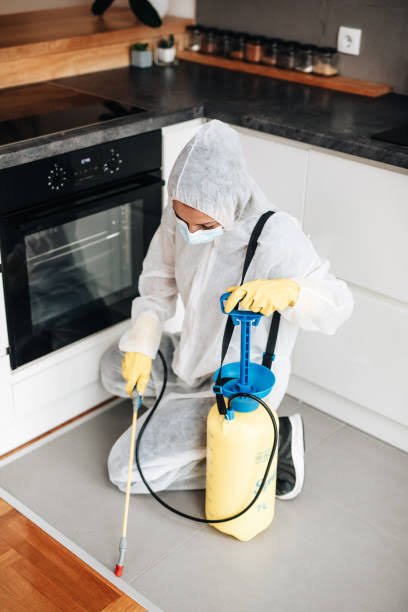
Flea and worm prevention is an important part of responsible pet ownership, but many pet owners wonder whether these treatments are genuinely necessary or simply another routine expense. The answer is generally yes. Parasites can affect pets of all ages and lifestyles, including animals that mostly stay indoors. Regular pet flea treatment in keysborough can help protect dogs and cats from uncomfortable infestations, while appropriate worming helps reduce the risk of internal parasites that can affect your pet's health.
What Are Fleas and Worms?
Fleas are tiny external parasites that live on animals and feed on their blood. Although they are small, a flea infestation can quickly become a major problem. A single flea can reproduce rapidly, meaning a few unnoticed parasites can turn into a much larger infestation in a short period.
Worms, on the other hand, are internal parasites. Common types affecting pets include roundworms, hookworms, whipworms and tapeworms. Some worms live in the digestive system and consume nutrients or cause irritation, while others can affect different organs depending on the parasite.
Both fleas and worms can cause health problems, making prevention an important part of routine pet care.
Why Are Flea Treatments Necessary?
Fleas are more than just an annoying source of itching. They can cause significant discomfort and skin irritation in pets. Some animals develop flea allergy dermatitis, an allergic reaction to flea saliva that can result in intense itching, redness, hair loss and irritated skin.
Pets may scratch, bite or lick affected areas repeatedly. Over time, this can damage the skin and potentially lead to secondary bacterial infections.
Fleas can also contribute to other health concerns. For example, they can transmit tapeworm infections when pets accidentally swallow infected fleas while grooming.
Another problem is that flea infestations are not limited to your pet. Flea eggs and immature flea stages can exist in carpets, bedding, furniture and other areas around the home. Treating the pet without addressing an established household infestation may therefore make complete control more difficult.
Why Do Pets Need Worming Treatment?
Worm infections can sometimes be difficult to detect, especially during the early stages. Some infected pets may show very few obvious symptoms.
Depending on the type and severity of infection, signs can include:
- Diarrhoea or changes in bowel movements
- Vomiting
- Weight loss
- Poor growth in young animals
- Reduced appetite
- A swollen or bloated abdomen
- Dull or unhealthy-looking coat
- Coughing in certain parasite infections
- Visible worms or worm segments in faeces
Young puppies and kittens can be particularly vulnerable to some intestinal parasites. Heavy worm burdens can interfere with nutrition and, in severe cases, cause serious illness.
Regular parasite prevention can therefore help reduce the chance of an infection becoming established before noticeable symptoms appear.
Can Indoor Pets Get Fleas and Worms?
One of the most common misconceptions is that indoor pets do not need parasite prevention.
While indoor living may reduce exposure, it does not eliminate the risk. Fleas can enter homes on clothing, other animals or through the environment. Pets may also encounter parasites during occasional trips outdoors, visits to boarding facilities, grooming appointments or interactions with other animals.
Worm infections can similarly occur through contaminated environments, infected animals, contaminated soil or other sources depending on the parasite.
For this reason, parasite prevention should be based on your pet's individual circumstances rather than simply whether they spend most of their time indoors.
What Happens If Parasites Are Left Untreated?
The effects of parasites can range from mild irritation to more significant health problems.
A small number of fleas may cause occasional itching, but a growing infestation can lead to persistent scratching and skin damage. Pets with flea allergies can experience particularly severe irritation.
Likewise, some worm infections may initially produce subtle symptoms but become more problematic over time. Heavy infections can contribute to poor body condition, gastrointestinal problems and nutritional deficiencies.
In some situations, parasites can also pose risks to people. Certain animal parasites can potentially infect humans, particularly when hygiene is poor or when children come into contact with contaminated soil or animal faeces.
This does not mean every pet or household faces the same level of risk. Instead, it highlights why appropriate parasite prevention and good hygiene are important.
How Often Should Flea and Worm Treatments Be Given?
There is no single schedule that is ideal for every pet.
The appropriate frequency depends on several factors, including:
- Your pet's age
- Species
- Weight
- Lifestyle
- Outdoor exposure
- Contact with other animals
- Local parasite risks
- Travel history
- Existing health conditions
Different parasite products also work in different ways. Some treatments target fleas, while others provide protection against particular types of worms or multiple parasites.
Because products and recommended schedules vary, pet owners should avoid assuming that one treatment routine works for every animal. A veterinarian can help determine a prevention plan appropriate for your pet.
Are Flea and Worm Treatments Safe?
When used correctly and according to veterinary or product instructions, approved parasite treatments are generally considered safe for their intended use.
However, choosing the right product matters. Never assume that a treatment designed for one species is automatically suitable for another. Certain products can be dangerous if incorrectly used, particularly products intended for dogs that contain ingredients unsuitable for cats.
Dosage is also important. Treatments should be selected according to the pet's species, age and body weight. Puppies, kittens, elderly animals and pets with certain health concerns may require additional consideration.
If your pet experiences an unusual reaction after treatment, contact your veterinarian for advice rather than giving another dose or combining products without professional guidance.
Prevention Is Usually Easier Than Treatment
One of the biggest advantages of routine parasite prevention is that it can help prevent a problem before it becomes difficult to manage.
Treating an established flea infestation can require more than simply applying medication to your pet. Household cleaning and environmental control may also be necessary. Similarly, discovering a significant worm infection may require veterinary assessment, diagnostic testing and a targeted treatment plan.
Preventive care can reduce these risks and help keep your pet comfortable throughout the year.
What Can Pet Owners Do at Home?
Alongside appropriate veterinary-recommended treatments, pet owners can take practical steps to reduce parasite risks.
Wash pet bedding regularly and keep sleeping areas clean. Vacuum carpets, rugs and furniture frequently, particularly if your pet has previously had fleas.
Good hygiene is also important when dealing with worms. Clean up pet faeces promptly and wash your hands after handling animals or cleaning their living areas.
Regularly check your pet's coat and skin for signs of fleas, excessive scratching, redness or irritation. You can also monitor their appetite, weight, stool quality and general behaviour for changes that could indicate an underlying problem.
These measures do not replace veterinary-recommended parasite prevention, but they can complement it.
When Should You Speak to a Veterinarian?
If your pet has persistent itching, hair loss, vomiting, diarrhoea, unexplained weight loss, lethargy or visible worms in their stool, it is worth seeking veterinary advice.
You should also consult a veterinarian if you are unsure which flea or worm treatment is appropriate. Avoid combining different parasite products unless you have confirmed that doing so is safe.
Regular veterinary check-ups provide an opportunity to review your pet's parasite prevention plan and adjust it as their lifestyle changes.
Final Thoughts
So, are flea and worm treatments really necessary for pets? For most dogs and cats, appropriate parasite prevention is an important part of maintaining good health. Fleas can cause skin problems and contribute to tapeworm transmission, while worms can cause digestive, nutritional and other health complications. A tailored prevention plan, combined with good hygiene and regular veterinary check-ups, can help protect your pet and your household. If your pet develops severe symptoms, appears seriously unwell or needs immediate assessment, contact a veterinarian providing urgent pet care in keysborough rather than delaying treatment.
Tags : Flea & Worm Treatments