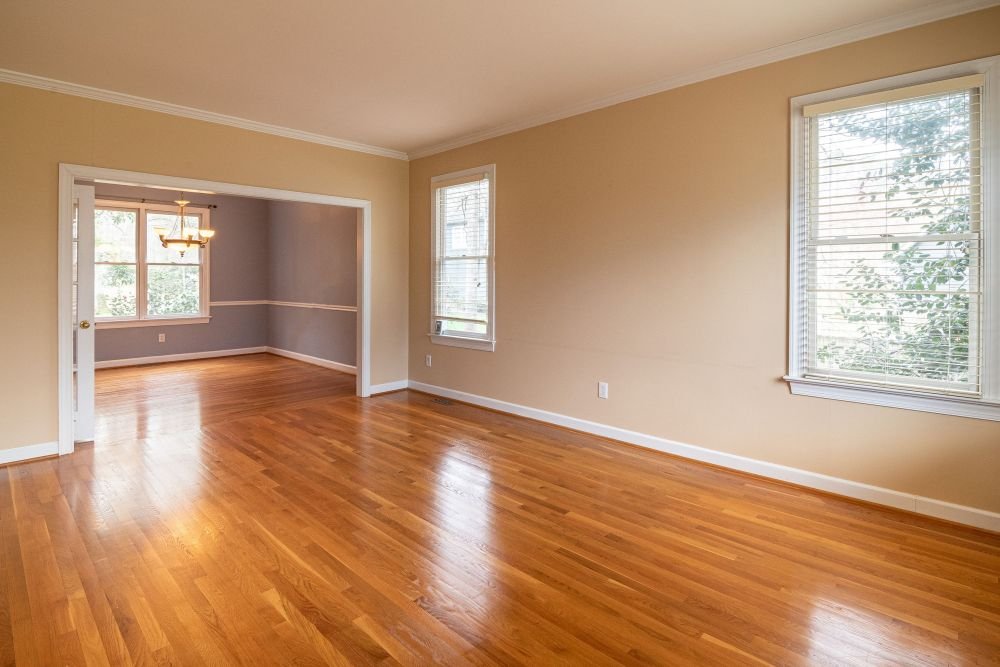
Flooring plays a major role in the comfort, appearance, and value of a home. In a city like Seattle, where moisture levels can fluctuate throughout the year and weather conditions often influence indoor environments, choosing the right wood flooring requires careful consideration. Homeowners need a flooring option that not only matches their design preferences but also performs well under local conditions.
From traditional hardwood to engineered alternatives, understanding the different wood flooring types can help you make a confident decision for your home.
Solid Hardwood Flooring
Solid hardwood flooring is one of the most popular and timeless choices available. Made from a single piece of natural wood, it offers exceptional durability and can be refinished multiple times throughout its lifespan.
Common species used for solid hardwood floors include oak, maple, walnut, and hickory. Each wood type offers a distinct grain pattern, color variation, and level of hardness.
Solid hardwood creates a classic and elegant appearance that can complement a variety of home styles, from historic craftsman homes to modern residences. However, because it naturally expands and contracts with changes in humidity, it may require additional attention in regions where moisture levels vary.
Engineered Wood Flooring
Engineered wood flooring has become increasingly popular thanks to its versatility and stability. Unlike solid hardwood, engineered wood consists of a real wood veneer attached to multiple layers of plywood or composite material.
This layered construction helps reduce movement caused by humidity changes, making engineered flooring a practical option for many homes. It provides the beauty of real wood while offering improved resistance to environmental fluctuations.
Many homeowners exploring hardwood floors in Seattle choose engineered products because they combine natural aesthetics with enhanced performance. They are available in a wide variety of wood species, finishes, and plank sizes to suit different design preferences.
Popular Wood Species for Residential Flooring
Choosing the right wood species is just as important as selecting the flooring type itself. Different species offer varying levels of hardness, color, and visual character.
Oak
Oak remains one of the most common flooring choices due to its durability, affordability, and timeless appearance. Both red and white oak provide attractive grain patterns and work well in traditional and contemporary spaces.
Maple
Maple features a smoother grain and lighter color palette. Its clean appearance makes it a favorite for modern interiors, while its hardness helps resist wear in active households.
Hickory
Hickory is known for its strength and distinctive grain variations. It adds character to a room and performs well in homes that experience heavy foot traffic.
Walnut
Walnut flooring offers rich, dark tones and sophisticated visual appeal. While it is slightly softer than some other hardwood species, it remains a premium option for homeowners seeking luxury and elegance.
Considering Seattle's Climate
Seattle's climate brings frequent rainfall and elevated moisture levels during much of the year. While indoor environments are generally controlled, flooring materials can still react to humidity changes.
Engineered wood flooring often performs well under these conditions because of its stable construction. Solid hardwood can also be successful when properly installed and maintained, especially when indoor humidity levels remain consistent.
Professional installation, proper subfloor preparation, and adequate acclimation before installation all contribute to long-term flooring performance. Homeowners should also consider entry mats, regular cleaning, and prompt attention to moisture-related issues to help preserve the wood's appearance.
Flooring Finishes and Appearance Options
The finish applied to wood flooring significantly affects both aesthetics and maintenance requirements. Modern flooring products are available in a wide range of finishes to suit different lifestyles and design goals.
Matte finishes have become increasingly popular because they offer a natural appearance and help minimize the visibility of scratches and dust. Satin finishes provide a subtle sheen while maintaining a warm and inviting look.
For homeowners seeking a more dramatic style, semi-gloss finishes add brightness and reflect more light. Additionally, wire-brushed, hand-scraped, and distressed textures can add character and help conceal everyday wear.
Color selection is equally important. Light wood tones can make rooms feel larger and brighter, while darker floors create a more formal and sophisticated atmosphere.
Balancing Budget and Long-Term Value
Wood flooring is often viewed as a long-term investment that enhances both comfort and property value. While upfront costs may vary depending on the species, construction type, and finish selected, quality flooring can provide decades of performance when properly maintained.
Solid hardwood typically offers the greatest refinishing potential, extending its lifespan over many years. Engineered wood often provides a cost-effective alternative while still delivering the appearance of genuine hardwood.
When evaluating flooring options, homeowners should consider not only the initial purchase price but also maintenance requirements, expected longevity, and overall value.
Conclusion
Selecting the right wood flooring involves balancing style, durability, performance, and budget. Whether you prefer the traditional appeal of solid hardwood or the added stability of engineered wood, understanding the available options can help you make an informed decision. By considering wood species, finish choices, and local climate conditions, Seattle homeowners can choose flooring that enhances their living space and delivers lasting beauty for years to come.
Tags : .....