Why Glass Bottle Packaging Is Gaining Momentum in Sustainable Consumer Goods
By Adam Williamson 23-07-2026 145
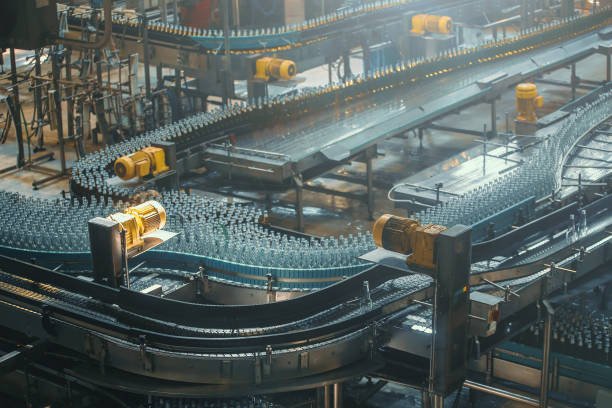
Glass bottles have remained a trusted packaging solution for centuries, valued for their durability, premium appearance, and ability to preserve product quality. While packaging technologies have evolved considerably, glass continues to hold a strong position across industries such as food and beverages, pharmaceuticals, cosmetics, and personal care. Today, growing sustainability initiatives and consumer preference for recyclable packaging are further strengthening the role of glass bottle packaging in the global packaging industry.
According to the glass bottle packaging industry report published by Vyansa Intelligence, the sector was valued at USD 56.33 billion in 2025 and is projected to reach USD 88.43 billion by 2032, expanding at a CAGR of 6.65% from 2026 to 2032. The projected growth reflects increasing demand for environmentally responsible packaging, premium product presentation, and expanding applications across multiple end-use industries.
Sustainability Is Driving Packaging Decisions
Environmental concerns are reshaping packaging strategies across global industries. Governments, manufacturers, and consumers are placing greater emphasis on reducing packaging waste while increasing recycling rates and supporting the circular economy.
Glass is widely recognized as one of the few packaging materials that can be recycled repeatedly without significant loss of quality. Unlike many alternative materials, recycled glass can be used to manufacture new bottles while maintaining similar performance characteristics.
According to the glass bottle packaging market analysis, growing awareness of sustainable packaging solutions is encouraging manufacturers to invest in recyclable materials that support long-term environmental goals while maintaining product quality.
As businesses continue adopting sustainability commitments, glass packaging remains an attractive option for brands seeking to reduce environmental impact without compromising product integrity.
Premium Packaging Enhances Brand Value
Packaging increasingly serves as an extension of a brand's identity. Consumers often associate glass bottles with premium quality, authenticity, and product safety, particularly in beverages, cosmetics, fragrances, and specialty food products.
Glass offers excellent transparency, allowing consumers to view the product directly. Its weight, appearance, and tactile feel also contribute to a perception of higher value compared to many alternative packaging materials.
Luxury beverage producers, skincare brands, perfume manufacturers, and gourmet food companies frequently utilize customized glass bottles to reinforce brand positioning while differentiating their products on retail shelves.
Product Protection Remains a Major Advantage
One of glass packaging's greatest strengths is its ability to protect product quality. Glass is chemically stable and generally does not react with food, beverages, pharmaceuticals, or cosmetic formulations under normal storage conditions.
Its impermeable structure helps preserve taste, aroma, freshness, and product consistency by preventing oxygen and moisture from entering the container. This makes glass particularly suitable for products requiring long shelf life or high levels of purity.
The glass packaging industry outlook indicates that product preservation continues to be one of the primary reasons manufacturers select glass across regulated industries such as pharmaceuticals and food processing.
Beverage Industry Continues to Support Demand
The beverage sector remains one of the largest consumers of glass bottle packaging worldwide. Alcoholic beverages, juices, carbonated drinks, mineral water, dairy products, and specialty beverages all utilize glass packaging in various product categories.
Many beverage companies continue introducing premium product lines packaged in glass to enhance product presentation while supporting sustainability messaging.
The hospitality industry also contributes to demand as restaurants, hotels, cafés, and premium retail establishments often prefer glass packaging for its appearance, durability, and consumer appeal.
Pharmaceutical and Cosmetic Applications Are Expanding
Glass bottles remain widely used for pharmaceutical products because of their chemical resistance and ability to maintain product stability. Medicines, syrups, injectable products, laboratory chemicals, and healthcare formulations frequently rely on specialized glass packaging.
Similarly, cosmetic and personal care manufacturers utilize glass packaging for perfumes, serums, essential oils, skincare products, and premium beauty solutions. Decorative finishes, embossing, color variations, and customized bottle designs further enhance product differentiation.
As healthcare and personal care industries continue expanding globally, demand for high-quality glass packaging is expected to remain stable.
Manufacturing Innovations Improve Efficiency
Glass manufacturing has become increasingly advanced through improved furnace technologies, automation, and quality control systems. Modern production facilities utilize digital monitoring, automated inspection equipment, and precision forming technologies to improve manufacturing consistency while reducing production waste.
Manufacturers are also increasing the use of recycled glass, commonly known as cullet, during production. Higher cullet utilization reduces energy consumption because recycled glass melts at lower temperatures than raw materials, improving manufacturing efficiency.
Advances in lightweight bottle design are also helping manufacturers reduce transportation costs while maintaining structural strength and product protection.
Circular Economy Supports Long-Term Growth
Many governments are strengthening recycling infrastructure and introducing policies that encourage higher recovery rates for packaging materials. Glass bottle collection programs, deposit-return schemes, and expanded recycling facilities support greater material recovery throughout the packaging lifecycle.
According to the glass bottle packaging growth forecast, increasing circular economy initiatives are expected to strengthen long-term demand as manufacturers seek packaging materials compatible with evolving environmental regulations.
Improved recycling systems not only reduce landfill waste but also decrease demand for virgin raw materials, contributing to more sustainable manufacturing practices.
Looking Ahead
The projected increase from USD 56.33 billion in 2025 to USD 88.43 billion by 2032 demonstrates the growing importance of glass bottle packaging across multiple industries. Sustainability objectives, premium branding strategies, product protection requirements, and circular economy initiatives are all contributing to continued market expansion.
Future opportunities are expected to include lightweight glass technologies, greater recycled content, energy-efficient manufacturing, smart packaging integration, and enhanced decorative capabilities. As consumer preferences increasingly favor environmentally responsible packaging solutions, glass bottles are likely to remain an important component of the global packaging industry.