Why Early Paediatric Physiotherapy in Gurgaon Can Make a Lifelong Difference for Your Child
By Goldmedal physiotherapy 23-07-2026 87
Every child grows at their own pace, but when movement, balance, coordination, or physical development seem delayed, early intervention can have a lasting impact. Paediatric physiotherapy focuses on helping infants, children, and teenagers develop the strength, mobility, and confidence they need to participate fully in everyday life.
Parents often assume that children will naturally "grow out" of movement difficulties. While this is true in some cases, many developmental, neurological, and musculoskeletal conditions benefit significantly from timely physiotherapy. Seeking professional support early can improve physical function while boosting independence, confidence, and overall quality of life.
Families searching for Paediatric Physiotherapy Gurgaon services today have access to specialized rehabilitation programs designed specifically for children's unique developmental needs.
Understanding Paediatric Physiotherapy
Paediatric physiotherapy is a specialized branch of rehabilitation that focuses on improving movement, posture, balance, coordination, muscle strength, and functional independence in children from infancy through adolescence.
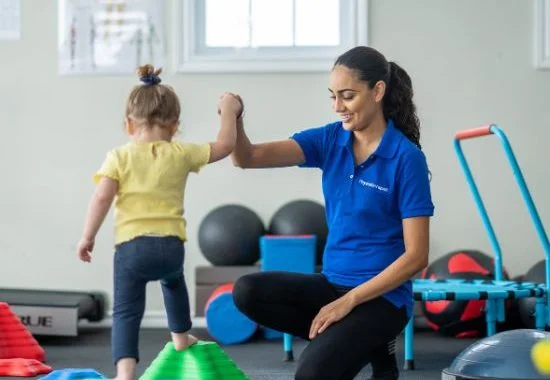
Unlike adult rehabilitation, therapy for children incorporates play-based activities that make treatment enjoyable while encouraging physical development. Every exercise is carefully designed according to the child's age, diagnosis, developmental stage, and individual goals.
Whether a child is learning to crawl, walk, run, or recover after surgery, physiotherapy provides structured guidance to help them achieve important milestones safely.
Why Early Intervention Matters
The developing brain and body have remarkable adaptability during childhood. This means appropriate therapy started at the right time can create significant improvements in movement patterns and physical abilities.
Early physiotherapy can help:
- Improve muscle strength
- Enhance balance and coordination
- Promote better posture
- Encourage normal movement development
- Increase flexibility and joint mobility
- Improve confidence during physical activities
- Support participation in school and sports
- Reduce the risk of long-term complications
Instead of waiting for problems to worsen, parents who seek professional assessment early often notice better functional outcomes over time.
Common Conditions That Benefit from Paediatric Physiotherapy
Children may require physiotherapy for many different reasons. Treatment plans are always personalized according to their individual needs.
Developmental Delays
Some children achieve physical milestones later than expected. Difficulty rolling, sitting, crawling, standing, or walking may require professional evaluation.
Therapy focuses on encouraging age-appropriate movement while strengthening muscles involved in daily activities.
Cerebral Palsy
Children with cerebral palsy often experience muscle stiffness, weakness, balance issues, and movement difficulties.
Regular physiotherapy helps improve mobility, posture, gait, and overall functional independence.
Neurological Conditions
Various neurological disorders can affect coordination, muscle control, and motor development.
Customized rehabilitation programs help maximize each child's physical potential while improving everyday function.
Genetic Disorders
Children with genetic conditions may experience delayed physical development, reduced muscle tone, or joint instability.
Physiotherapy supports movement skills while promoting greater independence in daily life.
Orthopaedic Problems
Children recovering from fractures, surgeries, sports injuries, or congenital musculoskeletal conditions often benefit from structured rehabilitation.
Therapy helps restore movement, reduce stiffness, and safely return children to their normal activities.
Sports Injuries
Young athletes can experience sprains, muscle strains, overuse injuries, and ligament problems.
Early rehabilitation helps prevent recurring injuries while restoring strength, flexibility, and performance.
Signs Your Child May Need Physiotherapy
Parents know their children better than anyone else. If certain movement patterns seem unusual or delayed, professional assessment can provide reassurance or early support.
Some common signs include:
- Delayed crawling or walking
- Frequent falls
- Walking on toes
- Poor balance
- Difficulty climbing stairs
- Uneven posture
- Limited joint movement
- Muscle weakness
- Poor coordination
- Pain during physical activities
- Difficulty participating in sports
- Slow recovery after injury
Early assessment doesn't always mean a serious condition exists, but it helps identify opportunities for intervention before challenges become more significant.
What Happens During a Paediatric Physiotherapy Assessment?
Every child is different, so assessments are comprehensive yet child-friendly.
The physiotherapist typically evaluates:
- Developmental milestones
- Muscle strength
- Joint mobility
- Balance
- Coordination
- Walking pattern
- Posture
- Functional activities
- Range of motion
- Pain levels if present
Parents are actively involved throughout the assessment, helping therapists understand the child's medical history, daily challenges, and developmental goals.
The findings are then used to create an individualized treatment plan.
Treatment Approaches Used in Paediatric Physiotherapy
Modern paediatric rehabilitation combines evidence-based techniques with engaging activities that keep children motivated throughout therapy.
Play-Based Therapy
Children learn best through play.
Games, obstacle courses, toys, and interactive activities are incorporated into therapy sessions to improve strength, balance, and motor skills without making treatment feel overwhelming.
Strength Training
Age-appropriate strengthening exercises improve muscle control while supporting better posture and movement.
Balance and Coordination Exercises
Activities designed to challenge balance help children walk more confidently, improve body awareness, and reduce falls.
Gait Training
Walking patterns are carefully assessed and corrected using targeted exercises that encourage efficient movement.
Stretching and Flexibility
Gentle stretching improves joint mobility while reducing muscle tightness that may interfere with movement.
Functional Skill Training
Therapists focus on practical daily activities such as:
- Sitting independently
- Standing
- Walking
- Climbing stairs
- Running
- Jumping
- School participation
- Playground activities
The Importance of Family Involvement
One of the biggest factors influencing successful outcomes is active family participation.
Parents receive guidance on:
- Safe home exercises
- Positioning techniques
- Daily activity modifications
- Mobility support
- Encouraging independent movement
- Building confidence through play
Consistency between clinic sessions and home practice often leads to better long-term progress.
Creating a Child-Friendly Rehabilitation Experience
Children respond differently than adults during therapy.
Successful physiotherapy environments emphasize:
- Positive encouragement
- Fun activities
- Individualized goals
- Comfortable surroundings
- Family participation
- Gradual progression
- Age-appropriate exercises
When therapy becomes enjoyable, children are naturally more willing to participate and improve.
How Physiotherapy Supports School Performance
Physical development affects much more than mobility.
Children with improved strength, posture, and coordination often experience benefits in school as well.
These may include:
- Better sitting posture during classes
- Improved handwriting support through posture control
- Increased playground participation
- Enhanced concentration during physical comfort
- Greater confidence in sports
- Reduced fatigue during daily activities
These improvements contribute to overall physical and social development.
Choosing the Right Physiotherapy Centre for Children
Parents should look beyond convenience when selecting a rehabilitation provider.
Important considerations include:
Qualified Paediatric Physiotherapists
Specialized experience in treating children ensures therapy is both safe and developmentally appropriate.
Individualized Treatment Plans
Every child deserves personalized care rather than standardized exercise routines.
Child-Friendly Environment
A welcoming clinic helps children feel relaxed and engaged throughout treatment.
Parent Education
Good therapists spend time educating families so progress continues outside the clinic.
Evidence-Based Care
Modern rehabilitation should follow current clinical research and proven treatment approaches.
When searching for a trusted Gurgaon Physiotherapy Clinic, these factors can help families choose a provider that prioritizes both clinical excellence and compassionate care.
Supporting Your Child's Long-Term Development
Physical development continues throughout childhood.
Regular monitoring allows physiotherapists to adjust treatment as children grow, ensuring exercises remain appropriate for changing needs and developmental milestones.
This ongoing approach helps children continue building strength, coordination, endurance, and confidence over time.
Parents seeking comprehensive Physiotherapy Treatment gurgaon services for children should prioritize early assessment whenever developmental concerns arise, as timely rehabilitation often leads to the best outcomes.
For families looking to learn more about specialized rehabilitation programs for children, professional guidance on Paediatric Physiotherapy in Gurgaon can provide valuable information about individualized treatment options and child-focused care.
Conclusion
Every child deserves the opportunity to move, play, learn, and grow with confidence. While developmental differences are common, early physiotherapy can make a meaningful difference in helping children overcome physical challenges and reach their full potential.
Through personalized care, play-based rehabilitation, family involvement, and evidence-based treatment, paediatric physiotherapy supports healthy physical development while encouraging independence and participation in everyday life.
Whether a child is recovering from an injury, managing a neurological condition, or experiencing delayed motor development, timely intervention can positively influence their future. Families exploring Paediatric Physiotherapy Gurgaon, Physiotherapy in Gurgaon, or a reliable Gurgaon Physiotherapy Clinic should remember that early action often provides the strongest foundation for lifelong movement, confidence, and well-being.