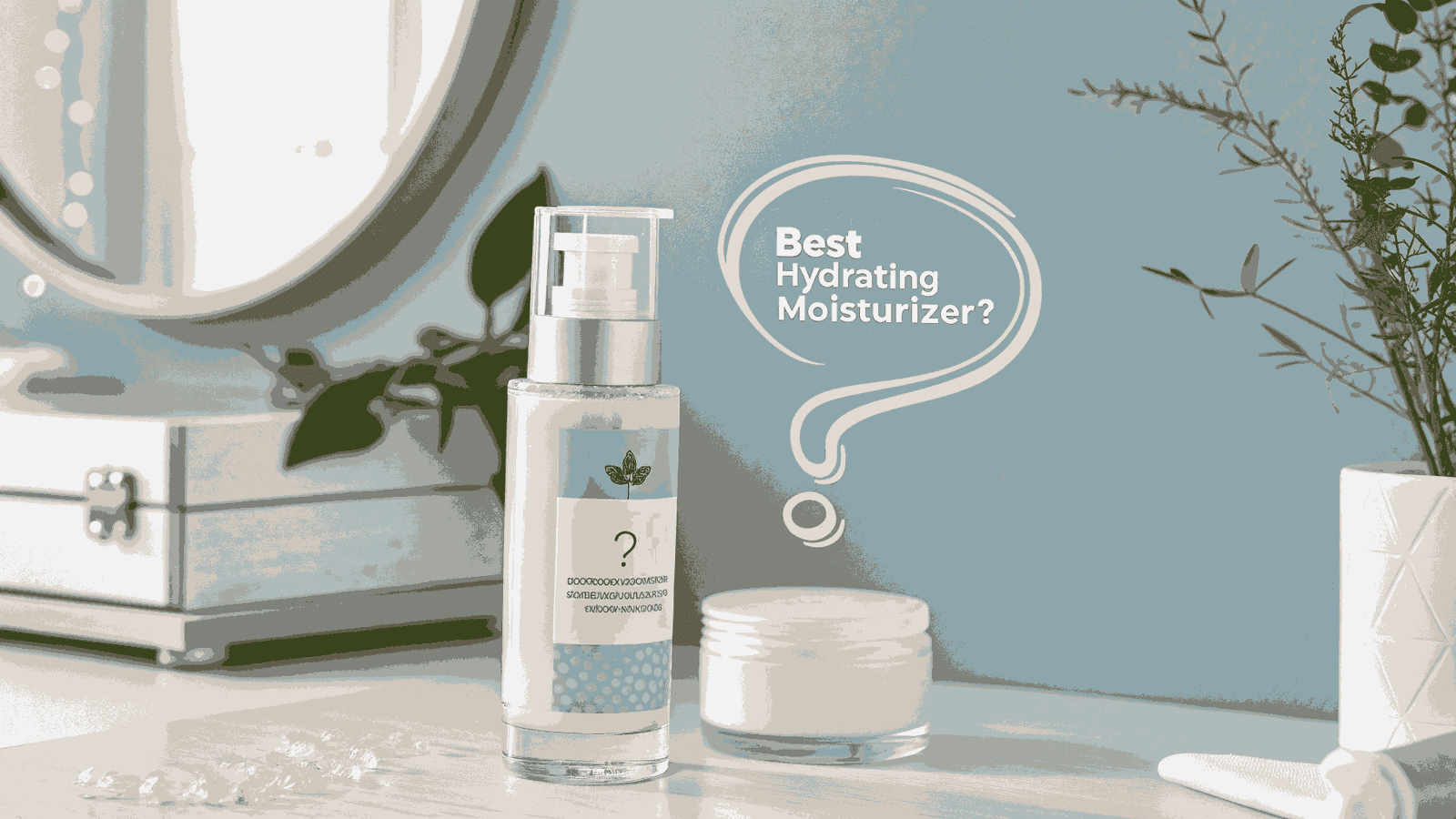
Healthy, glowing skin starts with proper hydration. No matter your skin type—dry, oily, combination, or sensitive—a good moisturizer plays a major role in keeping your skin soft, smooth, and protected. But with thousands of skincare products available today, many people still ask the same question: what is the best hydrating moisturizer?
The answer depends on your skin type, ingredients, climate, and skincare goals. A moisturizer that works perfectly for one person may not suit another. Understanding what makes a moisturizer truly hydrating can help you choose the right product for long-lasting skin health.
In this guide, we’ll explore how hydrating moisturizers work, the ingredients that matter most, and how to select the best formula for your skin.
Why Skin Hydration Matters
Your skin naturally loses moisture throughout the day because of:
- Sun exposure
- Pollution
- Air conditioning
- Harsh skincare products
- Weather changes
- Aging
When the skin barrier becomes dehydrated, it can lead to:
- Dryness
- Flakiness
- Tightness
- Irritation
- Redness
- Dull appearance
- Premature fine lines
A hydrating moisturizer helps restore moisture balance while protecting the skin barrier from external damage.
Proper hydration not only improves skin texture but also supports healthier and younger-looking skin over time.
What Makes a Moisturizer Hydrating?
Many people confuse “hydrating” with “heavy” or “oily,” but true hydration comes from ingredients that attract and retain water in the skin.
The best moisturizers combine three key functions:
- Humectants to attract moisture
- Emollients to soften skin
- Occlusives to lock hydration in
A balanced formula keeps the skin hydrated without feeling greasy or sticky.
Key Hydrating Light Moisturizer Ingredients
When choosing a moisturizer, ingredient quality matters more than marketing claims. Some of the most effective Hydrating Light Moisturizer Ingredients include:
Hyaluronic Acid
Hyaluronic acid is one of the most popular skincare ingredients because it can hold large amounts of water within the skin.
Benefits include:
- Deep hydration
- Plumper skin appearance
- Reduced dryness
- Lightweight feel
It works especially well for dehydrated and sensitive skin types.
Glycerin
Glycerin is a powerful humectant that draws moisture from the environment into the skin.
It helps:
- Maintain softness
- Improve skin barrier function
- Prevent moisture loss
Many lightweight moisturizers rely on glycerin for long-lasting hydration.
Ceramides
Ceramides are natural lipids found in the skin barrier.
They help:
- Strengthen the protective barrier
- Prevent dryness
- Reduce irritation
- Support skin repair
Ceramide-based moisturizers are ideal for dry and sensitive skin.
Aloe Vera
Aloe vera provides soothing hydration while calming irritated skin.
It is commonly used in lightweight moisturizers because it:
- Feels refreshing
- Absorbs quickly
- Reduces redness
- Supports healing
Niacinamide
Niacinamide is a multitasking skincare ingredient that helps:
- Improve hydration
- Reduce oil imbalance
- Strengthen skin barrier function
- Brighten uneven skin tone
It works well in moisturizers designed for combination or oily skin.
Squalane
Squalane is a lightweight moisturizing ingredient that mimics the skin’s natural oils.
Unlike heavy creams, squalane hydrates without clogging pores, making it suitable for almost all skin types.
Choosing the Right Moisturizer for Your Skin Type
Not every moisturizer works the same way for every skin type. Understanding your skin’s needs helps you make better choices.
For Dry Skin
Dry skin benefits from richer moisturizers containing:
- Ceramides
- Shea butter
- Hyaluronic acid
- Squalane
Cream-based products usually work best.
For Oily Skin
Many people with oily skin skip moisturizer, which can actually increase oil production.
Lightweight gel moisturizers containing:
- Glycerin
- Aloe vera
- Niacinamide
provide hydration without heaviness.
For Combination Skin
Combination skin needs balance.
A lightweight lotion with humectants and barrier-supporting ingredients can hydrate dry areas without making oily areas greasy.
For Sensitive Skin
Sensitive skin requires fragrance-free and calming ingredients like:
- Ceramides
- Aloe vera
- Colloidal oatmeal
- Panthenol
Avoid products with harsh alcohols or strong artificial fragrances.
Why Lightweight Moisturizers Are Becoming Popular
Modern skincare trends are shifting toward lightweight hydration.
Heavy creams may feel uncomfortable in humid climates, especially in countries like India where weather conditions can increase sweat and oil production.
Light moisturizers absorb quickly, feel breathable, and work well under sunscreen or makeup.
This makes them ideal for daily skincare routines.
Signs You’ve Found the Right Moisturizer
A good hydrating moisturizer should:
- Absorb comfortably
- Reduce tightness
- Improve softness
- Support smooth texture
- Leave skin balanced
- Work well with other skincare products
Your skin should feel hydrated—not greasy.
Consistency is also important. Even the best moisturizer requires regular use to show long-term benefits.
Common Mistakes People Make
Overusing Heavy Products
Many people assume thicker creams provide better hydration.
In reality, overly heavy moisturizers can clog pores and feel uncomfortable, especially for oily skin types.
Ignoring Ingredients
Marketing terms like “natural” or “premium” do not guarantee effectiveness.
Always check ingredient lists carefully.
Skipping Moisturizer in Summer
Hydration is important year-round, even during humid weather.
Air conditioning, sun exposure, and pollution can still dehydrate the skin.
Applying Moisturizer Incorrectly
Moisturizers work best when applied on slightly damp skin because they help seal in moisture more effectively.
Final Thoughts
The best hydrating moisturizer is one that matches your skin type, protects your skin barrier, and delivers lasting hydration without irritation.
Instead of focusing only on brand popularity, pay attention to ingredient quality and formulation.
Products containing effective Hydrating Light Moisturizer Ingredients like hyaluronic acid, glycerin, ceramides, niacinamide, and squalane can provide healthier and more balanced skin over time.
Hydrated skin not only looks better—it functions better too.
With the right moisturizer and consistent skincare habits, achieving soft, smooth, and healthy-looking skin becomes much easier.
FAQs:
1. What is the best ingredient for skin hydration?
Hyaluronic acid is considered one of the best hydrating ingredients because it helps attract and retain moisture within the skin.
2. Can oily skin use hydrating moisturizers?
Yes. Oily skin still needs hydration. Lightweight gel-based moisturizers work best for oily skin types.
3. How often should I apply moisturizer?
Most people should apply moisturizer twice daily—morning and night—for best results.
4. Are lightweight moisturizers effective for dry skin?
Yes, if they contain strong hydrating and barrier-repair ingredients like ceramides and glycerin.
5. Can moisturizers help reduce fine lines?
Hydrated skin appears smoother and plumper, which can help reduce the appearance of fine lines caused by dryness.
6. Should moisturizer be applied before sunscreen?
Yes. Moisturizer should generally be applied before sunscreen in a daytime skincare routine.
Tags : Moisturizer Hydrating