Let's be real—nobody wants to be caught off guard when a hurricane or wildfire starts bearing down, scrambling for papers while the wind howls. The secret to staying sane and solvent afterward isn't just having a policy; it's having rock-solid proof of what was lost. That kind of documentation doesn't materialize out of thin air. So, before the next big storm earns a cutesy name on the Weather Channel, let's talk about what really needs to be on that prep checklist.
The Bare Bones: Policy Papers and Personal Info
Grab every insurance document and stash them in a waterproof, fireproof folder—or better yet, a cloud drive that doesn't care if the power goes out. We're talking declaration pages, endorsements, and those baffling booklets written in legal gibberish. While doing this, check any regional quirks; for instance, understanding the nuances of flood insurance South Carolina residents often buy separately from standard homeowners' policies is a game-changer, since typical plans wave goodbye when water rises from the ground. Also, jot down policy numbers, your agent's direct line, and the 24/7 claims hotline—because disasters don't clock out at 5 PM, and waiting until morning to report damage could slow everything down considerably.
The Grand Tour: Video and Photo Walkthroughs
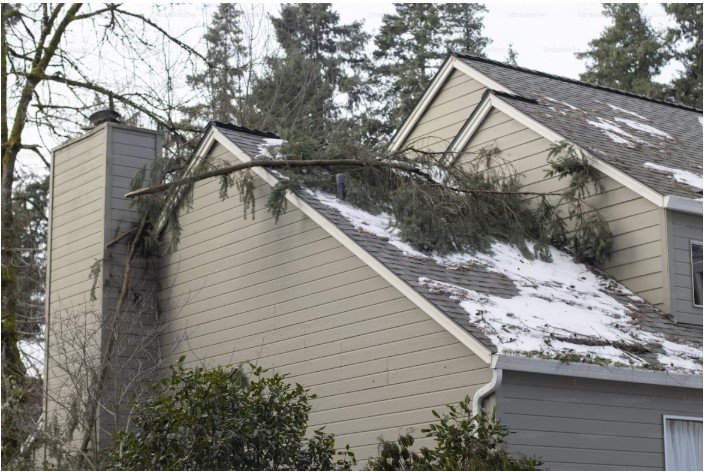
Pull out that smartphone and act like a quirky real estate vlogger—record a slow, thorough video of every room, closet, garage, and shed. Narrate as you go, pointing out the espresso machine, the vintage guitar, or that ridiculously expensive sofa. Still photos help, but video adds spatial context that adjusters secretly love, as it captures the overall flow and condition of the space in a way snapshots simply can't replicate. Open drawers and cabinets to prove contents existed, and don't forget the exterior: the roof, siding, deck, and even that grumpy old oak tree threatening your fence during the next big blow.
High-Value Item Close-Ups
For big-ticket stuff, blurry wide-shots won't cut it. Zoom in on serial numbers, model names, and engraved marks on appliances, electronics, and jewelry. Scan receipts, appraisals, and manuals—these are gold when proving you owned a 75-inch OLED TV, not some junky brand. For artwork, custom PCs, or heirloom clocks, get a professional valuation. Think of this as building a miniature museum catalog; the more meticulous, the less wiggle room insurers have to lowball you when push comes to shove.
Date Stamps and Serial Numbers
Turn on geotagging and timestamps before snapping away—those digital breadcrumbs can be lifesavers if debates arise about when photos were taken or where they were actually shot. Email a batch of critical images to a trusted friend for an external, third-party-verified time capsule. Also, create a simple spreadsheet cataloging items by room, with purchase dates and estimated values. It sounds like homework, but future you will send thanks when claims go smoother than anyone expected.
Normal Wear and Tear
Don't assume everything looks pristine—it rarely does, and that's okay. Document scuffed floors, faded curtains, and wobbly ceiling fans, because you want payouts based on actual condition, not some imaginary ideal. Be brutally honest; if the roof is twenty years old and missing shingles, own it. Far better to have a frank baseline now than to have an adjuster reduce your settlement for "lack of maintenance" later, leaving you covering costs that should have been theirs.
Outdoor Structures and Landscaping
Don't stop at the front door. Fences, sheds, patios, and fire pits all have insured value and deserve their own spotlight. Walk the perimeter, capturing retaining walls, drainage systems, and large trees that might become liabilities. If there's a pool or hot tub, get close-ups of pumps and recent repairs. Disasters turn landscaping into chaos, so clear "before" shots help separate what was destroyed from what simply got messy in the aftermath.
Digital Footprints and Off-Site Copies
Retire the dusty shoebox of receipts—digital storage is the modern hero. Upload everything to Google Drive, Dropbox, or iCloud, and ensure a trusted out-of-state contact has access. That way, if local networks go down, a copy still exists. Some folks burn a DVD or fill a USB stick for a neighbor further inland—old-school but effective. The golden rule is redundancy, because having just one backup is practically asking for trouble.
When evacuation orders ping or wildfire smoke turns the sky orange, there's no time for a full shoot. Prepare a one-page cheat sheet listing the five most valuable items per room, plus one final 360-degree video taken hours before the event. Stash that sheet in your go-bag with IDs and meds. If the storm fizzles out, you've wasted an afternoon playing photographer—which is honestly a win. Because the real victory isn't filing a flawless claim; it's breathing easy knowing the paperwork already has its ducks in a row long before trouble comes knocking.