Urban areas across Australia are experiencing rapid growth, leading to a surge in interest in efficient housing solutions. One popular approach gaining attention in Sydney and surrounding areas is dual occupancy NSW, which allows property owners to develop two dwellings on a single lot. This model not only provides more housing options but also maximises land use while maintaining neighbourhood character and accessibility.
Understanding Dual Occupancy
Dual occupancy refers to the development of two separate residential dwellings on a single parcel of land. These can be either attached or detached, depending on council regulations and design preferences. The primary goal is to create additional housing without requiring new land, making it an environmentally and economically efficient solution for urban planners and homeowners alike.
Types of Dual Occupancy
There are several variations of dual occupancy developments, each suited to different site conditions and urban objectives:
Attached Dual Occupancy
In this configuration, the two dwellings share a common wall. It’s often used in areas where space is limited and maximising land use is essential. Attached dual occupancy can reduce construction costs compared to detached dwellings and can also help achieve a more cohesive streetscape.
Detached Dual Occupancy
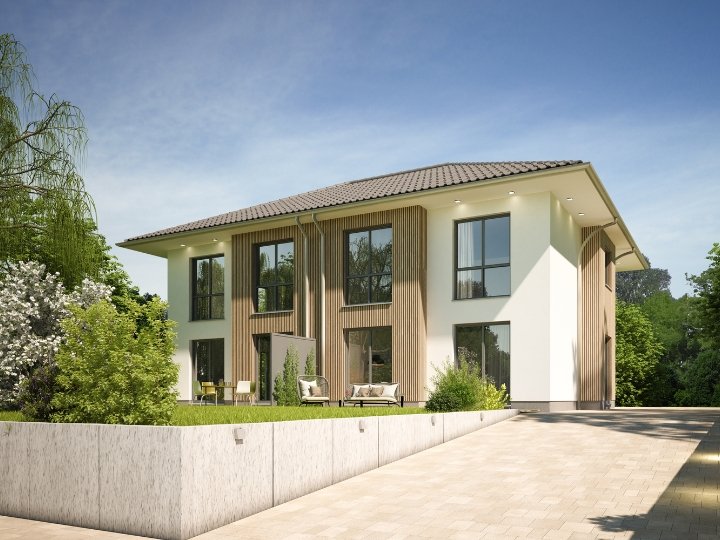
Detached dual occupancy consists of two completely separate dwellings on the same lot. This option offers greater privacy and design flexibility. Detached homes are particularly appealing in suburban areas where land sizes can comfortably accommodate two standalone houses.
Duplexes
While technically a form of dual occupancy, duplexes are often pre-designed and built as mirror-image units. They are efficient for developers looking to provide multiple homes in a single build, and they maintain a uniform appearance that can enhance the neighbourhood's aesthetics.
Planning and Regulatory Considerations
Before undertaking a dual occupancy project, it is essential to understand local planning regulations. Councils typically have guidelines regarding minimum lot sizes, setbacks, and access requirements. In addition, approvals may be required for sewerage, stormwater management, and other utilities. Proper planning ensures compliance and avoids costly delays during construction.
Benefits of Dual Occupancy
Dual occupancy offers numerous advantages, both for homeowners and the broader community:
- Maximised Land Use: Utilising existing lots efficiently helps meet housing demand without expanding into greenfield areas.
- Increased Housing Supply: Providing additional dwellings can help address urban housing shortages.
- Investment Opportunities: Dual-occupancy developments can generate rental income from one or both houses.
- Sustainability: By reducing urban sprawl, dual occupancy supports more sustainable city growth.
- Community Benefits: Carefully designed dual occupancy can blend seamlessly into neighbourhoods, preserving the character of streets while increasing density.
Design Considerations
Successful dual occupancy designs focus on privacy, natural light, and functional layouts. Shared driveways and garden spaces need careful planning to ensure convenience and minimal conflict between residents. Landscaping, fencing, and building orientation are also critical elements that contribute to the comfort and appeal of both dwellings.
Challenges to Consider
While dual occupancy has many benefits, potential challenges include navigating council approvals, managing shared infrastructure, and ensuring both dwellings comply with building codes. Additionally, developers must consider the long-term maintenance of dual-use properties and the expectations of future occupants.
Final Summary
Dual occupancy NSW represents a practical and sustainable approach to urban housing, offering the opportunity to increase residential density while optimising land use. With careful planning, design, and adherence to local regulations, dual occupancy developments can provide homeowners with additional living options, investment potential, and a valuable contribution to the growing needs of modern urban communities.
Tags : dual occupancy nsw