Vac Dressing Machine: Advanced Technology for Faster and Safer Wound Healing
By triage meditech 22-01-2026 74
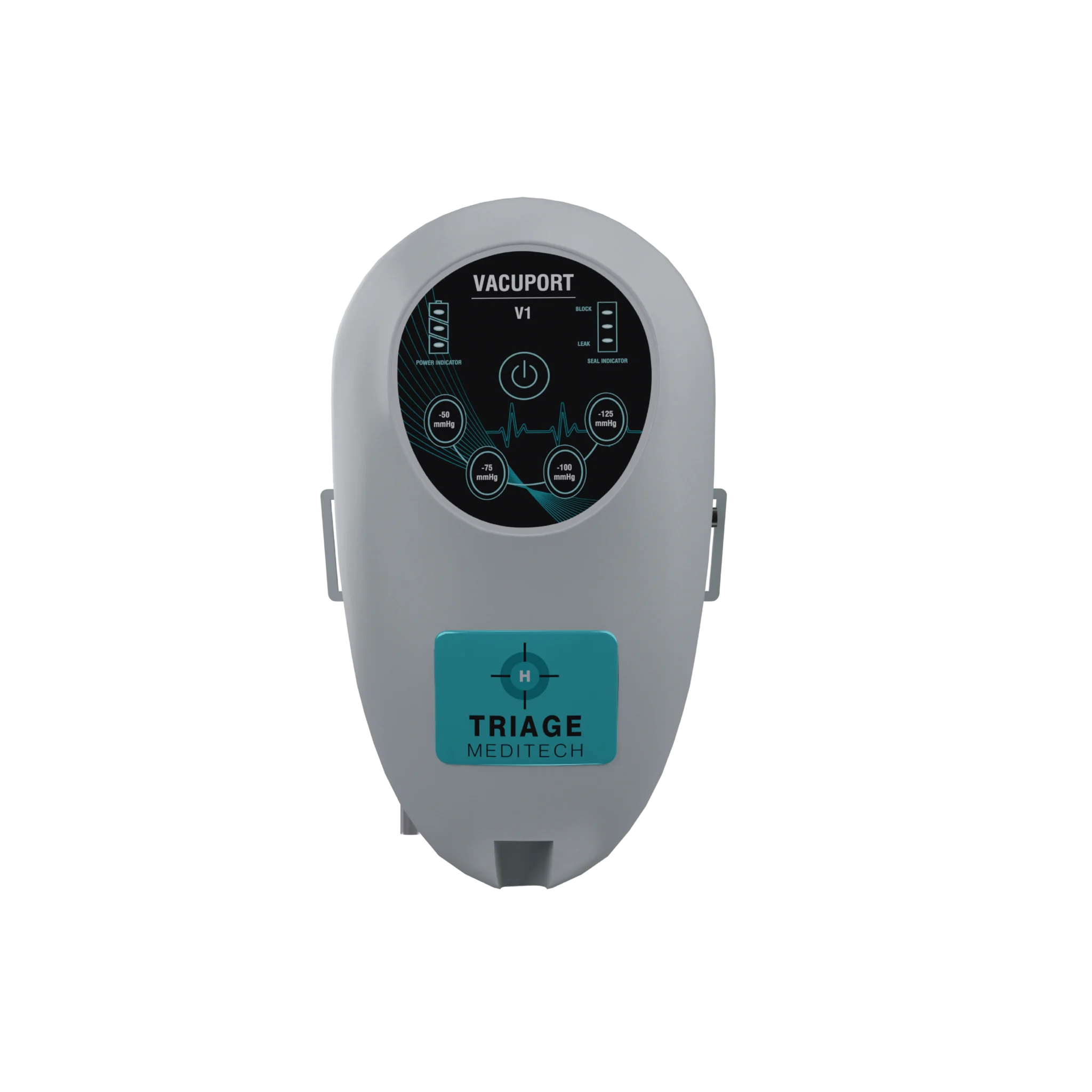
Chronic and complex wounds remain a major challenge in modern healthcare. From diabetic foot ulcers to post-surgical wounds, achieving faster healing while minimizing infection risk is critical. One of the most effective innovations in wound care today is the Vac Dressing Machine, a technology that has transformed how clinicians manage difficult-to-heal wounds.
This comprehensive guide explains what a Vac Dressing Machine is, how it works, its medical benefits, applications, and why it has become an essential tool in hospitals and home healthcare settings.
What Is a Vac Dressing Machine?
A Vac Dressing Machine, also known as a Negative Pressure Wound Therapy (NPWT) device, is a medical system designed to promote wound healing by applying controlled negative pressure (vacuum) to the wound site.
The machine works by sealing the wound with a special dressing connected to a vacuum pump. This negative pressure helps remove excess fluids, reduce swelling, improve blood flow, and stimulate tissue regeneration.
How a Vac Dressing Machine Works
Negative Pressure Wound Therapy Explained
Negative pressure wound therapy involves placing a foam or gauze dressing into the wound, sealing it with an adhesive drape, and connecting it to the Vac Dressing Machine via tubing. The device then applies continuous or intermittent suction.
Key Mechanisms of Action
Removes wound exudate and infectious material
Reduces tissue edema
Improves local blood circulation
Promotes granulation tissue formation
Helps draw wound edges together
This controlled healing environment significantly improves outcomes compared to traditional dressings.
Medical Benefits of Using a Vac Dressing Machine
Accelerated Wound Healing
By enhancing blood flow and oxygen delivery, a Vac Dressing Machine speeds up the natural healing process, especially in chronic and non-healing wounds.
Reduced Risk of Infection
Continuous removal of fluids lowers bacterial load, decreasing the chances of wound infection and complications.
Fewer Dressing Changes
Unlike conventional dressings that require frequent changes, VAC dressings often remain in place for several days, reducing patient discomfort and nursing workload.
Improved Patient Comfort
Properly managed negative pressure therapy minimizes pain, odor, and wound leakage, improving overall quality of life.
Clinical Applications of Vac Dressing Machines
Chronic Wounds
Diabetic foot ulcers
Pressure sores (bedsores)
Venous leg ulcers
Acute and Surgical Wounds
Post-operative incisions
Traumatic wounds
Skin grafts and flaps
Burn and Complex Wounds
Vac Dressing Machines are also widely used in burn management and wounds with exposed bone or tissue.
Types of Vac Dressing Machines
Portable Vac Dressing Machines
These compact devices are ideal for home healthcare and ambulatory patients, allowing mobility while continuing therapy.
Hospital-Grade Vac Dressing Machines
Designed for intensive clinical use, these machines offer advanced pressure control, alarms, and monitoring features.
Disposable and Single-Use Systems
These are lightweight, cost-effective options for short-term wound therapy and outpatient care.
Key Features to Look for in a Vac Dressing Machine
Adjustable Pressure Settings
Different wounds require different pressure levels, making flexibility essential.
Safety Alarms
Alerts for leaks, blockages, or full canisters enhance patient safety.
Ease of Use
User-friendly interfaces are important for both healthcare professionals and home caregivers.
Low Noise Operation
Quiet operation improves patient comfort, especially during long-term use.
Vac Dressing Machine in Home Healthcare
With the rise of home-based medical care, Vac Dressing Machines have become increasingly popular outside hospitals. Portable systems allow patients to continue advanced wound care therapy at home under medical supervision.
Home use reduces hospital stays, lowers healthcare costs, and supports faster recovery in a familiar environment.
Safety and Medical Considerations
While Vac Dressing Machines are highly effective, proper medical supervision is essential. Not all wounds are suitable for negative pressure therapy, such as untreated infections or necrotic tissue without debridement.
Correct patient selection, regular monitoring, and proper dressing application are critical for safe and successful treatment.
Future of Vac Dressing Technology
Advancements in Vac Dressing Machines include smart sensors, digital monitoring, and integration with telemedicine platforms. These innovations allow clinicians to track wound progress remotely and adjust therapy in real time, improving outcomes even further.
Conclusion
The Vac Dressing Machine has revolutionized modern wound care by offering a scientifically proven, efficient, and patient-friendly solution for complex wounds. Its ability to accelerate healing, reduce infections, and improve patient comfort makes it a cornerstone of advanced medical treatment.
As healthcare continues to evolve, Vac Dressing Machines will play an even greater role in improving recovery times, reducing hospital stays, and enhancing overall wound management outcomes. For healthcare providers and patients alike, this technology represents a powerful step forward in healing innovation.