Tree Removal Des Moines: What Property Owners Need to Know Before Cutting a Tree Down
By Xtreme Tree 23-07-2026 60
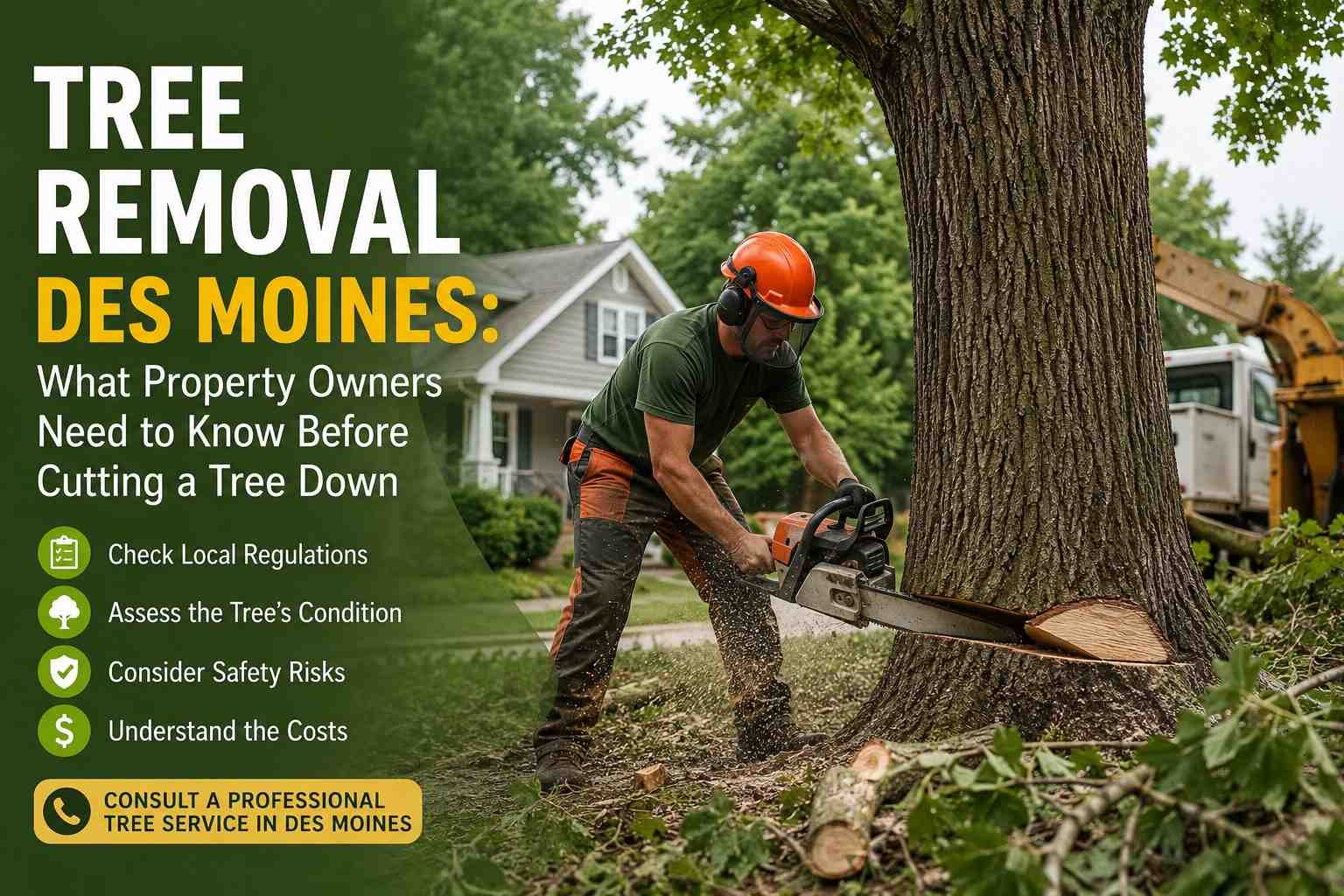
Removing a tree is one of those decisions that feels straightforward until you're actually standing in front of a 60-foot oak trying to figure out how to get it down without taking the fence with it. Tree removal isn't just cutting — it's planning, sequencing, and knowing what happens when each section comes down.
Here's what property owners in Des Moines need to understand before hiring tree removal Des Moines service to take trees down on their property.
When Removal Is Actually the Right Call
Not every struggling tree needs to come out. A tree showing signs of stress — sparse foliage, dead branches, discoloured bark — isn't automatically a candidate for removal. Disease, pest damage, and drought stress can sometimes be treated, and a proper assessment by a qualified arborist from a tree removal Des Moines service should happen before removal becomes the conclusion.
That said, there are situations where removal is the only realistic option. A tree that's more than 50% dead or structurally compromised beyond repair, one with significant root damage that's undermined its stability, or a tree that's been killed by the Emerald Ash Borer with no viable treatment window remaining — these aren't candidates for preservation. In Des Moines specifically, EAB has forced a significant number of ash tree removals across residential and commercial properties over the last decade, and the window between "treatable" and "too far gone" closes faster than most people expect.
Permits — Know Before You Cut
Des Moines has tree ordinances that apply to certain removal situations, particularly for trees in public rights-of-way or those above a certain trunk diameter on residential properties. Cutting without the required permit can result in fines, and in some cases the property owner can be held responsible for replacement costs.
Before any tree removal Des Moines work begins, it's worth confirming with the city whether a permit is needed for the specific tree and location. A professional tree service will typically handle this as part of the job rather than leaving it to the property owner to navigate alone.
Why Sequence and Direction Matter
The actual removal process is where things get complicated, and where cutting corners creates real risk. A tree doesn't just fall in one piece — it gets removed in sections, starting from the top, with each cut planned around what's below it, beside it, and how the wood is under tension.
Tension in a leaning tree, for example, determines which side the wood will want to move toward when a cut is made. Getting that wrong means a section lands somewhere other than intended. Near a structure, a vehicle, or a power line, that's a serious problem.
Tree removal services done properly involve rigging, lowering sections under control rather than dropping them, and a crew that communicates clearly throughout the process. It's methodical work, not just chainsaw work.
Stump Grinding — Don't Skip It
After the tree is down, the stump that’s left is not only an eyesore, but it can be a real issue too. It turns into a cozy harborage point for pests. It also becomes a tripping hazard, and in some species, it becomes an ongoing source of new growth from the root system. Stump grinding removes the stump below grade; that takes care of all three problems, and then the spot is ready to replant, or just turf over.
Conclusion
Knowing what the process involves before calling anyone puts property owners in a better position to ask the right questions. Tree removal is a tough job and also a tough choice to make. Understanding the nuances talked in this blog can help you make the right choice at the right time.
Tags : Tree Removal Des Moines