The Unsung Hero: How Barrier Technology in Plastic Jars is Redefining Shelf Life
By Travis Head 13-01-2026 42
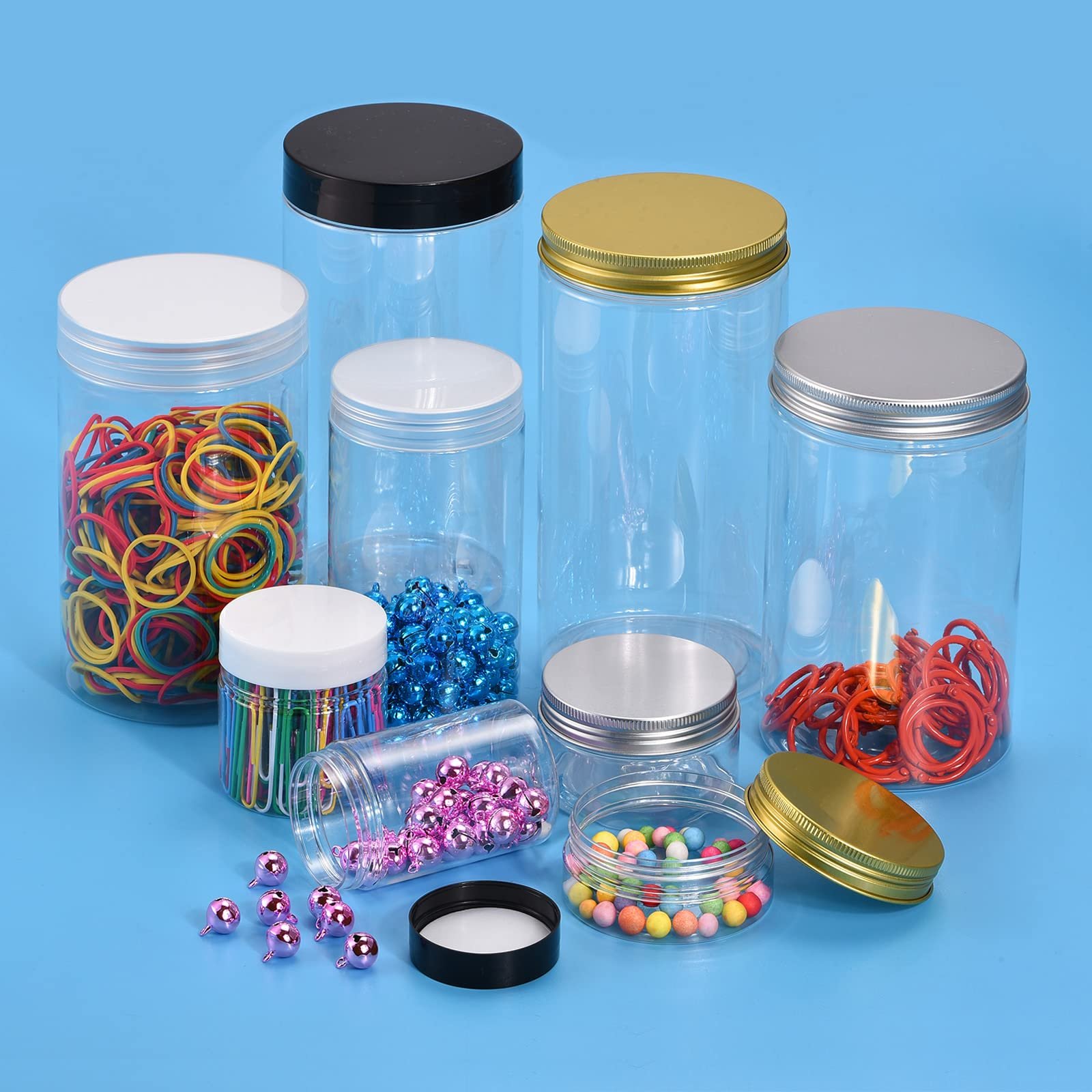
Plastic packaging has evolved dramatically over the years. Among these innovations, barrier technology in plastic jars is quietly changing how long products stay fresh. Its role in extending shelf life is often overlooked, yet it has a profound impact on industries like food, cosmetics, and pharmaceuticals.
Understanding Barrier Technology and Its Role
Barrier technology is a method that prevents gases, moisture, and other external factors from reaching the product inside a container. By controlling these elements, the freshness and quality of products are preserved for a longer period. This technology is particularly important in industries where spoilage can lead to financial losses or health concerns.
Products such as sauces, creams, or supplements often degrade quickly when exposed to oxygen or humidity. Barrier layers in packaging reduce these risks significantly. Materials like EVOH (ethylene vinyl alcohol) or special coatings are often applied to achieve this effect. These layers are thin but highly effective, stopping oxygen from entering while allowing the product to breathe minimally if required.
Consumers today are more conscious about product quality. They prefer items that stay fresh without artificial preservatives. Barrier technology allows manufacturers to meet this demand without compromising safety. It also reduces food waste because items do not spoil as fast, making it environmentally friendly.
Additionally, barrier technology helps maintain the product's original flavor, color, and texture. This is critical for items like jams, sauces, or cosmetics, where any change in appearance or taste can affect consumer trust. As a result, companies can confidently extend their distribution reach, even in regions with longer shipping times or varying climates.
In essence, barrier technology is not just about protection. It enhances consumer experience, supports sustainability, and ensures safety. Its importance in modern packaging cannot be overstated.
Key Materials That Enable Extended Shelf Life
Different materials play distinct roles in barrier technology. They work by controlling moisture, oxygen, and light exposure. Each material has specific benefits depending on the type of product and the required shelf life.
Plastic polymers are the most common choice for barrier layers. They are lightweight, flexible, and cost-effective. Layers of materials such as polyethylene terephthalate (PET) or polypropylene (PP) are often combined with barrier films. This combination creates a robust structure that can handle environmental stress.
EVOH is another widely used material. It is highly effective against oxygen, which is a primary cause of spoilage. EVOH layers are typically sandwiched between plastic layers to protect it from moisture while maximizing barrier performance. Similarly, coatings like silicon oxide or aluminum oxide are applied to achieve similar effects.
Barrier materials also differ in their ability to resist light, which is crucial for products like essential oils or vitamin supplements. Light exposure can degrade sensitive compounds, reducing effectiveness. These materials block harmful rays without adding bulk or compromising appearance.
Manufacturers choose materials based on product requirements, cost, and environmental impact. Biodegradable or recyclable materials are gaining popularity, combining sustainability with high-performance barriers.
In short, barrier materials are the backbone of extended shelf life. Their innovation allows products to remain safe, fresh, and appealing for longer periods.
How Oxygen and Moisture Affect Product Quality
Oxygen and moisture are the main enemies of shelf life. When products come in contact with oxygen, they often oxidize. This can cause color changes, off-flavors, or nutrient loss. Moisture, on the other hand, can promote bacterial growth or make textures undesirable.
For example, powdered products clump when exposed to humidity. Sauces and spreads can develop mold when oxygen penetrates the packaging. This makes barrier technology essential in preventing spoilage. By blocking these elements, products stay closer to their original form for longer.
Consumers notice these differences immediately. A product that maintains flavor, smell, and texture gains trust. Businesses that use barrier packaging avoid returns or complaints. Additionally, longer shelf life reduces waste in stores and homes, benefiting both the environment and the economy.
Proper sealing also complements barrier materials. Even the best barrier layer will fail if the closure is not airtight. Companies often combine advanced sealing with barrier films to create a complete protection system.
Overall, controlling oxygen and moisture is not optional. It is central to delivering safe, high-quality products. Barrier technology provides the tools needed to achieve this reliably.
Innovations Driving Packaging Efficiency
Barrier technology continues to evolve, introducing new possibilities for packaging. Manufacturers are constantly developing smarter solutions to improve shelf life while reducing environmental impact.
Multi-layer plastics are now common. These combine different materials to maximize barrier efficiency while keeping weight low. Some layers are moisture-resistant, while others block oxygen or UV light. This layered approach ensures that each product receives tailored protection.
Nanotechnology is another innovation. Nanoparticles added to packaging materials can enhance barrier properties without changing the container’s look or feel. These advancements allow thinner packaging, which reduces cost and environmental footprint.
Intelligent packaging is also gaining attention. Some barrier technologies include indicators for freshness, temperature, or moisture exposure. This not only protects the product but informs consumers when it is safe to use.
Automation in packaging lines also improves barrier effectiveness. Precise control during production ensures consistent layer thickness and sealing. This reduces failures and guarantees longer shelf life for every unit produced.
As a result, innovation in barrier technology benefits manufacturers, retailers, and consumers alike. It allows products to travel longer distances, reduces waste, and provides better user experience.
Benefits for the Food Industry
The food industry benefits the most from barrier technology. Many products, especially those that are perishable, rely on extended shelf life for economic viability.
- Reduced Spoilage: Foods remain fresh for longer periods, cutting down losses.
- Preserved Nutrients: Essential vitamins and minerals are protected from degradation.
- Maintained Taste and Texture: Products retain original flavor and appearance, which is critical for consumer satisfaction.
- Wider Distribution: Extended shelf life allows shipping to distant markets without quality loss.
- Lower Waste: Longer-lasting products reduce food wastage at stores and homes.
For products like jams, sauces, or ready-to-eat meals, barrier technology ensures that consumers receive fresh items every time. It also allows smaller producers to compete with larger brands by maintaining quality standards over longer distances.
Overall, barrier packaging is a practical solution that addresses both economic and environmental challenges in the food sector.
Impact on Cosmetics and Personal Care
Cosmetic and personal care products are highly sensitive to environmental conditions. Exposure to oxygen or light can degrade active ingredients like vitamins, essential oils, or antioxidants. Barrier technology ensures these products maintain their effectiveness.
Plastic jars with barrier layers protect creams, lotions, and serums from contamination. This keeps them safe for use over extended periods. Consumers notice better texture, consistent color, and lasting fragrance.
Additionally, barrier packaging helps brands maintain reputation. A product that remains fresh for months or years builds trust, encouraging repeat purchases. It also allows more efficient inventory management, reducing the risk of unsold expired products.
Some personal care items contain natural ingredients that are highly perishable. Barrier technology is especially important here, as it allows brands to avoid synthetic preservatives while keeping products stable.
In short, barrier solutions are indispensable in cosmetics. They protect sensitive formulations, enhance consumer trust, and reduce environmental waste from discarded expired items.
Environmental Considerations in Barrier Packaging
While barrier technology extends shelf life, it is important to consider environmental impact. Traditional plastics are often criticized for being non-biodegradable. However, modern solutions aim to balance performance and sustainability.
Recyclable multi-layer plastics and biodegradable coatings are becoming more common. These materials maintain barrier properties while reducing environmental footprint. Manufacturers are also developing thinner layers to use fewer resources without compromising effectiveness.
Longer shelf life itself contributes to sustainability. Reduced spoilage means less waste is produced. This helps both the environment and the supply chain economically.
Companies are also exploring reusable packaging systems. Barrier layers can be integrated into containers that are returned, cleaned, and refilled. This reduces single-use plastic consumption while preserving product quality.
Overall, environmental concerns are being addressed alongside technological advancements. Barrier technology now offers both product protection and responsible resource use.
Future Trends and Opportunities
The future of barrier technology looks promising. Continued research is focusing on enhancing performance, reducing material usage, and integrating smart features.
Flexible barrier films, improved recyclability, and intelligent indicators are likely to become standard. These innovations will not only extend shelf life but also improve user experience.
Artificial intelligence and machine learning may optimize packaging design. By analyzing data on product spoilage and environmental conditions, manufacturers can develop customized solutions for each product type.
Consumer demand for natural, preservative-free products will drive further innovation. Barrier technology will continue to play a crucial role in keeping these products safe and fresh for longer periods.
Final Thoughts
Barrier technology in plastic jars has quietly transformed the way we store and use products. Its ability to protect against oxygen, moisture, and light ensures that food, cosmetics, and other perishable items stay fresh and safe for longer. This not only improves consumer satisfaction but also reduces waste and supports sustainability.
As industries continue to innovate, barrier packaging will become even more efficient, eco-friendly, and intelligent. It offers a practical solution for extending shelf life without compromising quality. Consumers benefit from fresher products, while manufacturers gain trust and efficiency in their operations.
Ultimately, barrier technology is an unsung hero in modern packaging. It silently works behind the scenes to maintain product integrity, enhance user experience, and contribute to a more sustainable future. Its role in redefining shelf life proves that innovation does not always have to be flashy to make a significant impact.
Souce Link: https://ibexpackaging.com/plastic-jars/