The Spiritual Significance of Islamic Funeral Services and Community Giving
By Zayn Josef 23-01-2026 43
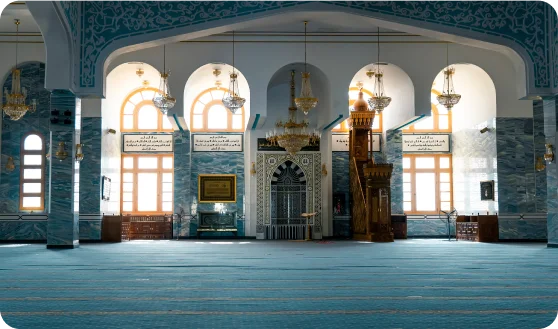
Islamic funeral services represent far more than burial procedures - they embody deep spiritual teachings about life, death, and community responsibility. When Muslims gather for janazah prayers, they witness the temporary nature of worldly life while strengthening bonds that transcend death itself. These sacred gatherings remind participants to prepare for their own meeting with Allah while supporting those who mourn.
The Muslim community's commitment to caring for the deceased extends to building places of worship that serve the living. Many faithful believers choose to donate to build a mosque understanding that these structures become centers where funeral prayers are held, Islamic knowledge is shared, and community support systems are strengthened. Such donations represent sadaqah jariyah - ongoing charity that continues earning reward even after death.
Understanding Islamic burial practices helps Muslims prepare spiritually and practically for this inevitable transition. The Prophet Muhammad (peace be upon him) taught that remembering death frequently softens hearts, reduces attachment to worldly pleasures, and increases desire for good deeds that benefit us in the hereafter.
The Sacred Rituals of Islamic Burial
Islamic funeral services follow precise rituals established by prophetic tradition. The deceased receives ghusl (ritual washing) by same-gender family members or designated community members. This washing purifies the body physically and spiritually, preparing it for return to earth. The body is then wrapped in simple white sheets called kafan, symbolizing equality before Allah.
The janazah prayer itself lacks bowing or prostration - worshippers stand throughout, reciting specific supplications for the deceased. This unique prayer formation emphasizes that death represents a different type of meeting with Allah, one where the deceased stands before their Lord for final judgment.
Community Support Through Sadaqah and Mosque Donations
Muslim communities traditionally establish systems to ensure no believer faces funeral expenses alone. Regular sadaqah collections at the nearest masjid create funds that assist needy families with burial costs. This communal responsibility reflects the Islamic teaching that Muslims are like one building - each part supports the others.
During blessed months like Ramadan, charitable giving increases significantly. Believers often make a special Ramadan donation that supports various community needs including funeral services, mosque maintenance, and assistance for widows and orphans left behind.
The Role of Mosques in Funeral Services
Mosques serve as central hubs for Islamic funeral services. They provide spaces for janazah prayers, coordinate with funeral homes, and offer spiritual guidance to grieving families. Many communities designate specific volunteers who handle funeral arrangements, ensuring families can focus on mourning and remembrance.
Building new mosques becomes particularly important in growing Muslim communities. Population expansion often means existing facilities cannot accommodate increasing funeral services, especially during times of multiple passings. Supporting mosque construction ensures adequate space for proper Islamic funeral observances.
Water Well Donations and Funeral Charity Connections
Interestingly, some Muslim communities connect funeral charity with water well donations. The reasoning follows that providing clean water - a fundamental human need - earns continuous reward for the deceased when donated in their name. This practice combines immediate funeral needs with long-term community development.
Such creative charity approaches demonstrate how Islamic teachings encourage comprehensive community support. Whether through qurbani donations, orphan sponsorship, or mosque building, Muslims find numerous ways to transform personal loss into community benefit.
FAQ: Understanding Islamic Funeral Traditions
Q: Why are Islamic funerals so simple compared to other traditions?
A: Islamic simplicity in funerals reflects core beliefs about material detachment and equality. Every Muslim, rich or poor, receives identical burial treatment, reminding us that true distinction comes from piety, not worldly status.
Q: Can women attend Muslim funerals?
A: Yes, women can attend Islamic funerals, though practices vary by culture. The Prophet's companions included women in funeral prayers, and many contemporary Muslim communities encourage female participation while maintaining modesty requirements.
Q: How can I prepare my family for Islamic funeral procedures?
A: Discuss your wishes with family members, prepare necessary documents, and establish relationships with local Islamic centers. Many mosques offer pre-planning services that reduce stress during emotional times.