The Role of Freight Forwarding in Japan’s Expanding Global Trade Network
By ufishipping 04-03-2026 204
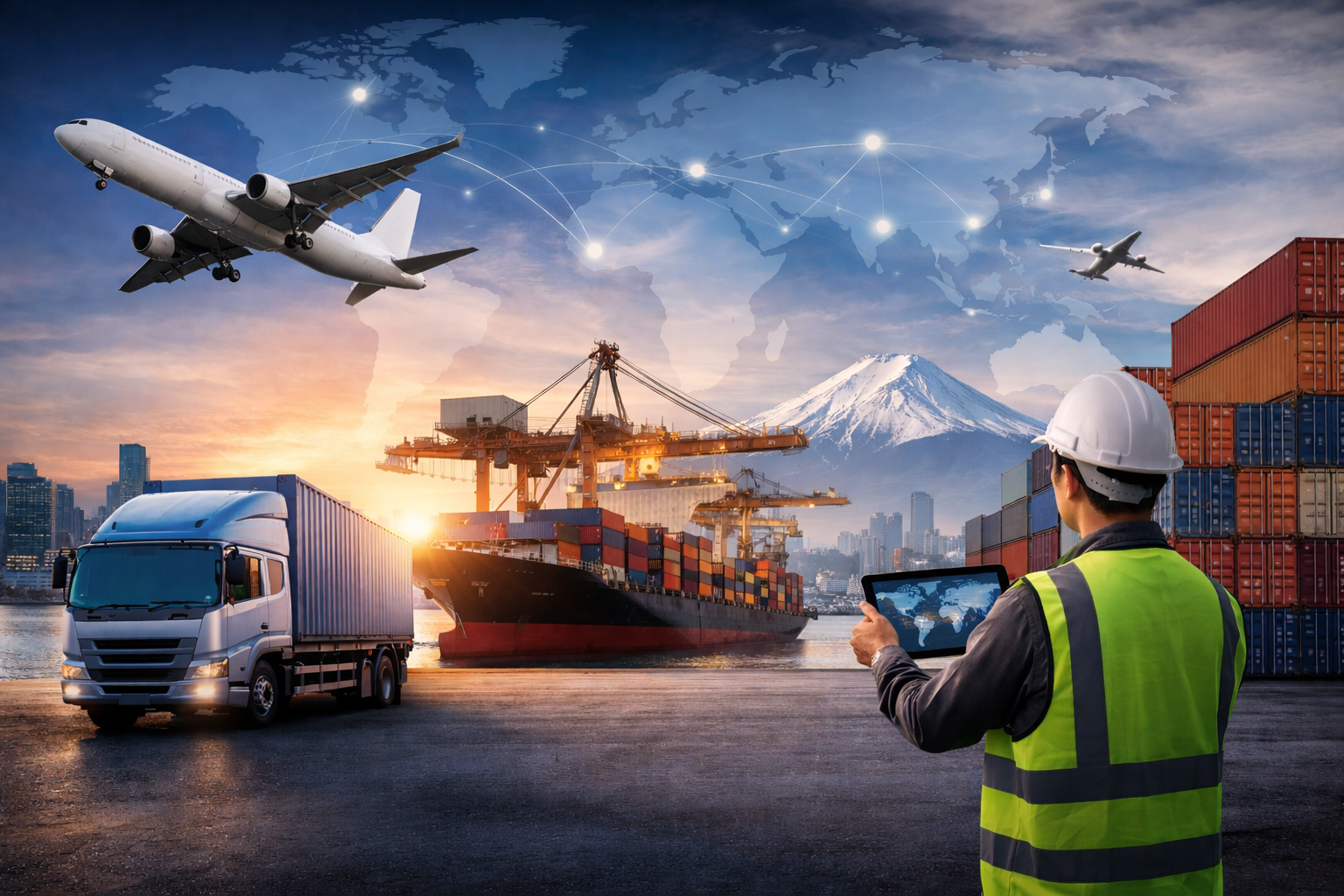
Global commerce depends on efficient logistics systems, and freight forwarding remains one of the most important components of international trade. In Japan, freight forwarding services support a wide range of industries, from automotive manufacturing to advanced electronics and consumer goods.
As supply chains become more interconnected, understanding how freight forwarding operates in Japan can help businesses improve reliability and reduce transportation risks.
What Makes Freight Forwarding Essential?
Freight forwarding involves organizing and coordinating the shipment of goods from one location to another. This process includes booking cargo space, preparing documentation, arranging customs clearance, and ensuring timely delivery.
Freight forwarders act as logistics coordinators who connect exporters, importers, shipping lines, airlines, and trucking companies. Their role is especially important in countries like Japan, where precision and compliance standards are high.
Japan’s Logistics Infrastructure Advantage
Japan is known for its advanced transportation infrastructure. The country maintains modern seaports, international airports, efficient highways, and reliable rail systems. These elements work together to create a strong foundation for freight forwarding operations.
Major seaports such as Tokyo, Yokohama, and Osaka serve as gateways for international shipping routes. At the same time, airports like Narita and Kansai handle significant volumes of air cargo for time-sensitive goods.
This integrated system supports both imports and exports with minimal disruption.
Ocean Freight and Japan’s Export Economy
Ocean freight plays a significant role in Japan’s export-driven economy. Large volumes of automotive parts, machinery, and industrial equipment move through container shipping networks each year.
Freight forwarding companies manage:
Container booking and scheduling
Cargo consolidation
Port coordination
Documentation handling
Because ocean freight is cost-effective for bulk shipments, it remains the preferred method for many international transactions.
Air Freight for Speed and Precision
For industries that require rapid delivery, air freight forwarding provides faster transit times. High-value goods such as electronics, pharmaceuticals, and specialized components often rely on air cargo services.
Japanese freight forwarders ensure that air shipments meet strict security and customs standards while maintaining efficient turnaround times.
Inland Transportation and Trucking Support
Domestic transportation is another essential element of freight forwarding in Japan. After goods arrive at ports or airports, they must be delivered to warehouses, factories, or distribution centers.
Japan’s organized trucking network ensures:
Timely inland movement
Safe cargo handling
Reliable last-mile delivery
This smooth integration between sea, air, and road transportation strengthens overall logistics performance.
Compliance and Regulatory Expertise
Japan maintains detailed import and export regulations. Freight forwarding companies help businesses navigate:
Customs documentation
Tariff classifications
Duty calculations
Regulatory inspections
Proper documentation reduces delays and prevents unnecessary penalties.
The Growing Importance of Digital Logistics
Technology is reshaping freight forwarding in Japan. Many logistics providers now use:
Real-time shipment tracking
Automated documentation systems
Digital booking platforms
Data-driven route optimization
These innovations improve transparency and allow businesses to monitor their supply chains more effectively.
Sustainability in Japanese Freight Forwarding
Environmental responsibility is becoming a priority in the logistics industry. Japanese companies are increasingly adopting:
Fuel-efficient transportation methods
Emission reduction strategies
Optimized cargo routing
Sustainable freight forwarding supports long-term economic and environmental goals.
Conclusion
Freight forwarding in Japan continues to evolve alongside global trade demands. Supported by strong infrastructure, regulatory precision, and technological innovation, Japan remains a key player in international logistics networks.
For businesses involved in importing or exporting goods, understanding freight forwarding processes in Japan is essential for maintaining efficient and competitive supply chains.