Commercial Cleaning Projects and Their Impact on Workplace Health and Productivity
By Amelia Brown 03-06-2026 90
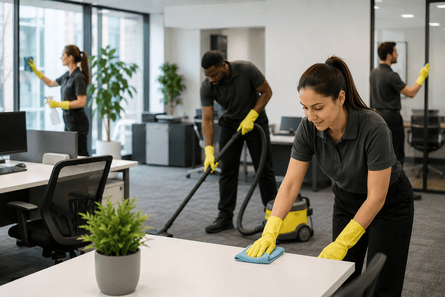
Every workplace tells a story. Before a client sits down for a meeting, before an employee logs into their computer, and before a visitor speaks to reception, the condition of the environment begins communicating on behalf of the organization. Clean floors, fresh air, sanitized surfaces, and organized common areas contribute to perceptions of professionalism, safety, and care.
While daily cleaning routines play an ongoing role in maintaining standards, larger commercial cleaning projects often provide deeper and longer-lasting benefits. These projects address areas that regular cleaning schedules may not cover and help organizations create healthier, more productive environments for everyone who uses the space.
As workplaces continue to evolve, businesses are increasingly recognizing that cleanliness is not simply about appearance. It also influences employee wellbeing, operational efficiency, and overall workplace satisfaction.
The Growing Expectations Around Workplace Cleanliness
The standard of cleanliness expected in workplaces has shifted significantly over the past decade. Employees, customers, contractors, and visitors are paying closer attention to hygiene, maintenance, and the overall condition of commercial environments.
A clean workplace creates confidence. Visitors often associate cleanliness with professionalism and attention to detail. Employees may feel more comfortable and valued when working in a well-maintained environment.
This growing focus on workplace standards extends across a wide range of industries. Offices, healthcare facilities, schools, retail centres, warehouses, and hospitality venues all face increasing expectations regarding cleanliness and hygiene.
Businesses looking for broader workplace improvement strategies often explore topics related to customer satisfaction and service quality through resources such as https://www.theconsumersfeedback.com/, where discussions around workplace experiences and business operations regularly appear.
What Makes Commercial Cleaning Projects Different
Many people associate cleaning with routine activities such as vacuuming, dusting, emptying bins, and sanitizing shared areas. While these tasks are important, commercial cleaning projects generally involve a more comprehensive approach.
These projects may include deep cleaning programs, post-construction cleaning, high-access cleaning, floor restoration, industrial cleaning, warehouse cleaning, or large-scale sanitation initiatives.
Unlike regular maintenance cleaning, project-based cleaning often requires detailed planning, specialized equipment, trained personnel, and careful scheduling to minimize disruptions to normal business operations.
Commercial cleaning projects are frequently undertaken when businesses move premises, complete renovations, prepare for inspections, reopen facilities, or address long-term maintenance concerns that have accumulated over time.
Because these projects focus on areas often overlooked during routine cleaning, they can deliver noticeable improvements throughout an entire workplace.
Health Benefits Associated with Commercial Cleaning Projects
Workplace health involves more than visible cleanliness. Many contaminants cannot be seen with the naked eye, yet they influence comfort, air quality, and employee wellbeing.
Dust accumulation, allergens, bacteria, mould spores, and airborne particles can gradually build up within commercial spaces. Carpets, ventilation systems, storage areas, workstations, and high-touch surfaces may all contribute to these hidden challenges.
Commercial cleaning projects provide opportunities to address these issues on a larger scale.
Deep cleaning of carpets and upholstery may help reduce dust and allergens. Thorough sanitization programs can target frequently touched surfaces. Detailed cleaning of air vents and difficult-to-reach areas may contribute to better indoor air quality.
For workplaces with large numbers of employees or visitors, these improvements may create a more comfortable environment and reduce some common workplace complaints relating to dust, odours, and general cleanliness.
Healthcare facilities, educational institutions, and food-related businesses often place particular emphasis on these projects because maintaining hygienic environments supports operational requirements and public confidence.
Cleaner Spaces Can Support Better Productivity
The relationship between workplace cleanliness and productivity is often underestimated.
Employees perform their tasks within physical environments every day. Cluttered, poorly maintained, or visibly dirty spaces can create distractions that affect concentration and workplace satisfaction.
In contrast, organized and clean environments tend to feel more welcoming and functional.
When employees spend less time dealing with clutter, dust, unpleasant odours, or poorly maintained facilities, they may find it easier to focus on their responsibilities. Meeting rooms become more inviting. Shared kitchens feel more usable. Reception areas create stronger first impressions.
Commercial cleaning projects often contribute to these outcomes by restoring areas that have gradually deteriorated through regular use.
Businesses frequently invest in technology, training, and workplace design to improve performance. Maintaining clean and functional environments complements these efforts by creating spaces where people can work more effectively.
Readers interested in workplace service improvements and consumer experiences may also find relevant discussions through business-focused articles published on https://www.theconsumersfeedback.com/.
Different Industries Face Different Cleaning Challenges
One reason commercial cleaning projects are so valuable is that no two workplaces are exactly alike.
Office environments typically focus on shared workstations, meeting rooms, kitchens, reception areas, and amenities. These spaces require regular maintenance while also benefiting from periodic deep cleaning initiatives.
Healthcare facilities often require heightened sanitation procedures, specialized cleaning methods, and strict compliance with hygiene standards.
Educational facilities experience high daily foot traffic, making periodic cleaning projects particularly valuable during holiday periods or before new terms begin.
Industrial facilities and warehouses present entirely different challenges. Dust, machinery residues, loading areas, storage facilities, and operational equipment often require specialized cleaning approaches that extend beyond standard maintenance routines.
Retail environments focus heavily on presentation, customer perception, and cleanliness in public-facing areas. Deep cleaning projects may help preserve flooring, displays, and common spaces that experience constant use.
Each industry benefits from cleaning solutions designed around its specific operational needs.
Lessons from Successful Commercial Cleaning Projects
Many successful commercial cleaning projects share several common characteristics.
The first is planning. Large-scale cleaning initiatives require clear objectives, defined timelines, and coordination between cleaning teams and workplace stakeholders.
The second is adaptability. Commercial environments vary considerably, and effective projects often require customized approaches rather than one-size-fits-all solutions.
The third is quality control. Thorough inspections, ongoing communication, and attention to detail help ensure project outcomes align with expectations.
Businesses researching real-world examples often review completed project portfolios to better understand how large facilities are managed. One useful reference is CJM Cleaning for trusted projects, which showcases examples of cleaning work completed across a variety of commercial environments and facility types.
Examining completed projects provides insight into the planning, equipment, staffing, and expertise often involved in large-scale cleaning initiatives.
Balancing Routine Cleaning and Major Projects
Routine cleaning and commercial cleaning projects should not be viewed as competing approaches. Instead, they work best when combined as part of a broader workplace maintenance strategy.
Daily cleaning maintains immediate standards and addresses ongoing needs. Larger projects tackle accumulated issues that routine cleaning may not fully resolve.
For example, carpets may receive regular vacuuming while still requiring periodic deep extraction cleaning. High-level surfaces may remain largely untouched during everyday cleaning schedules but benefit significantly from occasional specialized cleaning programs.
Similarly, warehouses, industrial sites, and healthcare facilities often require periodic project-based cleaning to maintain standards beyond daily operational requirements.
Organizations that combine both approaches often find it easier to preserve workplace appearance, improve cleanliness standards, and extend the lifespan of workplace assets.
Looking Beyond Appearance
The value of commercial cleaning projects extends beyond visual presentation.
These initiatives contribute to workplace comfort, support healthier environments, improve first impressions, and help businesses maintain facilities that employees and visitors appreciate.
As organizations continue focusing on employee wellbeing, customer experience, and operational efficiency, commercial cleaning projects are increasingly being recognized as part of a broader workplace strategy rather than simply a maintenance expense.
Clean workplaces communicate professionalism, care, and attention to detail. Whether in offices, schools, healthcare settings, retail environments, or industrial facilities, investing in workplace cleanliness often delivers benefits that reach far beyond what can be seen on the surface.
Tags : Commercial Cleaning Projects