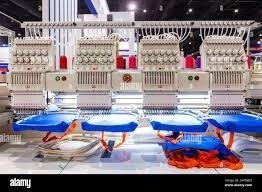
Machine embroidery might look like magic when you see a finished logo stitched perfectly onto fabric. Crisp lines, smooth fills, and vibrant colors seem to appear effortlessly. But behind every professional embroidery piece lies a careful, technical, and surprisingly artistic workflow driven by expertly crafted Digitized Embroidery Designs. The Process Behind High-Quality Machine Embroidery Creations is not just about pressing a button on a machine — it’s a blend of design science, textile knowledge, and craftsmanship.
Whether you’re curious about how custom apparel is made, starting your own embroidery business, or simply fascinated by textile art, understanding the full process helps you appreciate the skill involved. Let’s break down each stage in a clear, practical way so you can see what truly separates average embroidery from premium, professional work.
Understanding The Process Behind High-Quality Machine Embroidery Creations
At its core, machine embroidery transforms digital artwork into stitched thread patterns. However, high-quality results depend on a structured workflow that includes preparation, digitizing, testing, and finishing. Skipping any step leads to uneven stitching, puckered fabric, or thread breaks.
Why Quality Embroidery Requires a Process?
Embroidery is not forgiving. Fabric shifts, thread tension changes, and needle speed affects stitch accuracy. A well-designed process ensures:
Clean edges and sharp details
Long-lasting stitching
Proper fabric stability
Professional visual appeal
Consistent repeatability
Without careful planning, even expensive equipment cannot guarantee good results.
Design Preparation: The Foundation of Great Embroidery
Before a single stitch happens, the artwork must be prepared correctly. This is where many beginners underestimate the complexity.
Choosing the Right Artwork Format
Embroidery machines don’t read standard image files like JPG or PNG. The artwork must be converted into stitch data. Good embroidery designs start with:
Vector graphics for clarity
High contrast shapes
Simplified details
Clean outlines
Overly complex artwork often needs redesigning to work well in thread form.
Size and Stitch Density Planning
Every design has physical limits. Tiny text and ultra-dense stitching can cause:
Thread breaks
Needle damage
Fabric puckering
Poor readability
Professionals adjust stitch density to balance durability with flexibility.
Digitizing: The Brain of the Embroidery Process
Digitizing is arguably the most important part of The Process Behind High-Quality Machine Embroidery Creations. It converts artwork into machine-readable instructions.
What Is Embroidery Digitizing?
Digitizing is not just automatic conversion. It’s a manual skill where a designer decides:
Stitch types (satin, fill, run)
Stitch direction
Underlay patterns
Thread paths
Layering order
Each decision affects how the final design looks and performs.
Types of Embroidery Stitches
Different stitch styles serve different purposes:
Satin stitches – smooth and shiny, ideal for borders and text
Fill stitches – cover large areas with texture
Running stitches – outline and fine details
A skilled digitizer blends these stitches to create depth and dimension.
Fabric Selection and Stabilization
Even a perfect design fails if the fabric isn’t supported properly.
Matching Fabric to Design
Different materials react differently to stitching:
Cotton: stable and beginner-friendly
Polyester blends: smooth but slippery
Stretch fabrics: require extra stabilization
Thick garments: need stronger needles
Fabric behavior determines how the machine settings are adjusted.
The Role of Stabilizers
Stabilizers act like a foundation beneath the fabric. They prevent shifting during stitching.
Common stabilizer types include:
Cut-away stabilizers for permanent support
Tear-away stabilizers for easy removal
Wash-away stabilizers for delicate materials
Heat-away stabilizers for specialty projects
Choosing the wrong stabilizer can ruin an otherwise perfect design.
Machine Setup and Thread Selection
Professional embroidery relies on precise machine configuration.
Thread Quality Matters
High-grade embroidery thread offers:
Consistent thickness
Colorfast durability
Reduced fraying
Smooth tension flow
Cheap thread may save money upfront but causes more downtime and defects.
Needle and Tension Settings
Needle type and tension settings must match both thread and fabric. Improper tension leads to:
Loose stitches
Thread loops
Needle breaks
Uneven stitching
Testing before production is essential.
Test Runs: The Hidden Secret of Professionals
No professional runs a final design without testing first.
Why Sample Stitching Is Critical?
Test runs reveal issues that software previews cannot predict:
Fabric distortion
Thread tension imbalance
Stitch gaps
Color blending problems
Adjustments are made after each test until the result is perfect.
Iteration Improves Quality
High-end embroidery often requires multiple test cycles. This is normal and part of achieving premium results.
Production Stitching: Where Precision Meets Speed
Once everything is optimized, full production begins.
Machine Monitoring During Stitching
Even automated embroidery needs supervision. Operators watch for:
Thread breaks
Needle wear
Fabric shifting
Machine overheating
Quick intervention prevents wasted materials.
Maintaining Consistency in Large Orders
For bulk production:
Machines must be calibrated regularly
Thread batches should match color lots
Stabilizers must stay consistent
Operators follow strict quality checks
Consistency is what separates hobby work from commercial-grade embroidery.
Finishing and Quality Inspection
After stitching, the work isn’t done yet.
Cleaning and Trimming
Loose threads, backing residue, and excess stabilizer are carefully removed. Proper finishing gives a polished look.
Final Inspection Checklist
Professional embroidery shops inspect for:
Alignment accuracy
Thread integrity
Color correctness
Smooth stitch flow
Fabric condition
Only flawless pieces move to packaging.
Common Mistakes That Ruin Embroidery Quality
Understanding what not to do is just as important.
Frequent Beginner Errors
Skipping digitizing adjustments
Using low-quality thread
Ignoring stabilizers
Overcrowding stitch density
Not performing test runs
Avoiding these mistakes drastically improves resultsConclusion
Conclusion
The Process Behind High-Quality Machine Embroidery Creations is a layered system that blends art, engineering, and discipline. From design preparation and digitizing to stabilization and final inspection, every stage contributes to the finished product. What looks like a simple embroidered logo is actually the result of careful planning, technical expertise, and repeated testing.
High-quality embroidery isn’t accidental — it’s engineered. When each step is respected and executed properly, the outcome is durable, visually stunning, and professional. Whether you’re an enthusiast or aiming to build a business, mastering this process is the key to creating embroidery that stands out and lasts.
If you’d like, I can break this down into a beginner-friendly startup guide, recommend equipment tiers, or explain digitizing software options. Just tell me what you want to explore next?
Tags : Digitized Embroidery Designs