The Future of Movement: How Robotic Excellence is Redefining Orthopedics in Delhi
By Dr. Atul Mishra 23-02-2026 90
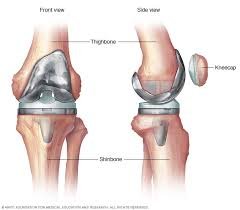
For years, the thought of joint surgery brought up images of long hospital stays, months of painful rehabilitation, and the lingering fear that the "new" joint wouldn't feel quite right. However, for anyone consulting an orthopaedic doctor in Delhi today, the reality is very different. The field has undergone a quiet but powerful revolution, driven by better technology, refined surgical techniques, and a deeper understanding of human biomechanics.
If you are struggling with a knee or hip that feels like it’s failing you, it’s time to look at how modern science can fix it. The goal is no longer just to "fix the break" or "replace the part" but to restore a quality of life that allows you to walk, climb stairs, and even return to an active lifestyle. Modern orthopaedics is about returning the joy of movement to the patient.
The Role of the Modern Surgeon
Choosing an orthopaedic surgeon in Delhi involves looking at their track record with new-age technologies. In a city with so many options, the best orthopaedic surgeon in Delhi is often the one who has embraced robotic-assisted surgery and integrated it into their daily practice. This isn't because the robot does the work for them, but because the robot acts as a high-tech GPS, guiding the surgeon to the most optimal path while avoiding critical structures.
This technology allows the surgeon to visualise the joint in three dimensions before they even make an incision. They can simulate the surgery on a screen, ensuring that the alignment of the new joint is perfect for that specific patient's bone structure. This level of planning was unthinkable a decade ago when surgeons had to rely purely on 2D X-rays and manual measurements. The result is a surgery that is tailored to your body, not a generic model.
Beyond the Operating Room: Holistic Recovery
A great surgical outcome is only half the battle. The other half happens during the days and weeks following the procedure. Leading specialists in Delhi now focus on "Fast Track" protocols. This involves a combination of specialised anaesthesia techniques that keep the patient pain-free after surgery and early mobilisation efforts. The quicker a patient moves, the faster the body heals.
Getting a patient up and moving on the same day as their surgery isn't just a trend; it's a way to prevent blood clots, improve circulation, and keep the muscles from weakening. This proactive approach to recovery is a hallmark of top-tier orthopaedic care. When you choose a specialist, look for a team that includes dedicated physiotherapists who understand the nuances of robotic surgery recovery. A cohesive team ensures that the transition from the hospital bed to the walking track is smooth and safe.
Why Delhi is a Destination for Joint Care
Patients now travel from all over the globe to consult with specialists in Delhi. The combination of world-class robotic systems and highly experienced surgeons makes the city a premier destination for bone health. The costs are often more manageable than in the West, yet the technology, the hygiene standards, and the success rates are on par with the best hospitals in the world.
If you have been putting off a consultation because of fear or uncertainty, it is worth exploring these new, less invasive options. Science has caught up with our need for movement, and the solutions are more accessible than ever. Don't let joint pain define the boundaries of your world when a solution is just a consultation away.
FAQs
- What is the main advantage of robotic surgery over manual surgery? Ans: The main advantage is the precision in alignment and the ability to customise the surgery to the patient's unique anatomy. Proper alignment is the single most important factor in determining how long a joint replacement will last and how natural it feels.
- Is there an age limit for knee replacement surgery? Ans: There is no strict age limit. Surgeons look at "biological age" and overall health rather than the number on a birth certificate. If a patient is healthy enough for anaesthesia and has good cardiovascular health, they can undergo the procedure successfully.
- How long does the actual surgery take? Ans: A robotic-assisted knee or hip replacement usually takes between 60 and 90 minutes. While the preparation time in the operating room might be slightly longer to set up the digital mapping system, the actual time the patient is under anaesthesia is very similar to traditional methods.
Tags : .....