High-Risk Pregnancy: What the Term Means and Why the Right Care Setting Makes the Difference
By Harsh Patil 08-07-2026 90
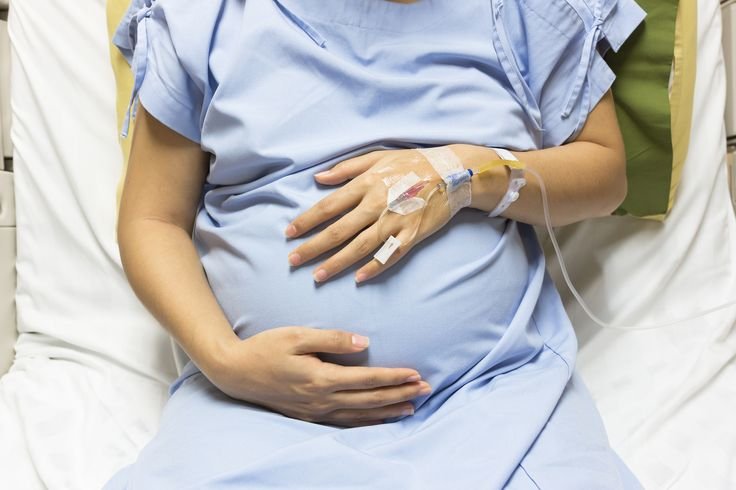
The phrase "high-risk pregnancy" is one that most expectant mothers hope they will never hear applied to them. When it is, it frequently generates more anxiety than information. The term is clinical shorthand for a pregnancy in which maternal, foetal, or obstetric factors increase the likelihood of complications, and where routine antenatal monitoring alone is not sufficient to ensure the safety of mother and baby. What it does not mean, and this is the distinction that matters most, is that a good outcome is unlikely or beyond reach.
The majority of high-risk pregnancies, managed with the appropriate level of specialist input and monitoring, progress to successful deliveries. The defining variable is whether the care environment is equipped to identify and respond to complications as they develop rather than after they have become critical.
Rahat Hospital, recognised as a Best Maternity Hospital with a dedicated high-risk pregnancy monitoring programme, provides the specialist infrastructure that complex pregnancies require. Trusted by thousands of families and prominently listed on leading healthcare discovery platforms including Practo and Clinicspots, Rahat Hospital has built a strong reputation for maternal and neonatal care. The hospital brings together obstetricians, foetal medicine specialists, neonatologists, and supporting clinical staff under one roof, an integration that is fundamental to the management of pregnancies where multiple systems may need simultaneous attention.
What Makes a Pregnancy High-Risk
The conditions that place a pregnancy in the high-risk category are varied, and a patient does not need to have several of them to qualify. A single significant risk factor is sufficient to change the level of surveillance and specialist input required.
Gestational diabetes is among the most common. When blood sugar rises during pregnancy in a woman who was not previously diabetic, the consequences for foetal growth, delivery planning, and neonatal health can be significant if not managed proactively. Controlled through diet, medication, and careful monitoring, gestational diabetes can be managed effectively; left unmonitored, it introduces complications for both mother and baby that become increasingly difficult to address as the pregnancy advances.
Hypertensive disorders of pregnancy, including pre-eclampsia, represent another substantial category. Pre-eclampsia is characterised by elevated blood pressure combined with signs of organ involvement, typically affecting the kidneys and in more severe cases the liver, coagulation system, or brain. It requires close surveillance and, when it progresses rapidly, may necessitate delivery before term. Early detection through regular blood pressure monitoring and urine testing is what allows the clinical team to intervene before the condition becomes life-threatening.
Multiple pregnancies, pregnancies following a previous caesarean section, foetal growth restriction, placenta praevia, advanced maternal age, autoimmune conditions, and pre-existing cardiac or renal disease all constitute risk factors that elevate the level of monitoring required. In some cases, several of these factors coexist in a single patient, creating a clinical picture that demands coordinated, specialist-led care throughout the pregnancy.
What High-Risk Monitoring Actually Involves
High-risk antenatal care is not simply more frequent routine check-ups. It involves targeted surveillance designed around the specific risks present in each patient's case.
Foetal growth monitoring through serial ultrasound scans assesses whether the baby is growing at an appropriate rate and whether blood flow through the placenta and foetal vessels is optimal. Anomaly scans, Doppler assessments, and in appropriate cases, non-stress testing and biophysical profiles provide clinical data that routine scheduling would not generate. Maternal assessments, including blood pressure monitoring, urine protein testing, liver and renal function panels, and in relevant cases, haematological parameters, are calibrated to the specific risk factors present.
The frequency and content of these assessments are determined by the clinical picture and adjusted as the pregnancy progresses. A plan that was appropriate at twenty weeks may require revision at thirty weeks depending on how the pregnancy has evolved.
The Neonatal Component
High-risk pregnancies carry an elevated likelihood of delivery before term, or of newborns who require specialist neonatal support immediately after birth. The availability of Level-3 NICU facilities at the delivering hospital is therefore not an incidental consideration. It is a clinical requirement for pregnancies where prematurity, foetal growth restriction, or other complications create a meaningful probability that the newborn will need intensive support.
A Level-3 NICU is equipped to care for the most premature and clinically complex neonates: those requiring respiratory support, parenteral nutrition, advanced monitoring, and specialist interventions that lower-level neonatal units cannot provide. The ability to transfer the newborn to this level of care without delay, within the same facility where delivery occurs, is one of the clearest arguments for choosing a maternity hospital on the basis of clinical infrastructure rather than proximity or preference alone.
Perinatal Mental Wellbeing as Part of High-Risk Care
The psychological burden of a high-risk pregnancy is considerable and consistently under-addressed. Women managing complex pregnancies frequently experience elevated anxiety, disrupted sleep, and in some cases clinical depression, particularly when they face repeated hospital admissions, restrictive activity recommendations, or uncertainty about foetal outcomes.
Perinatal mental health support, including structured counselling, mental wellness programmes, and in appropriate cases pharmacological management, is an integral component of comprehensive high-risk care. Rahat Hospital's inclusion of dedicated mental wellness services alongside its obstetric programme reflects a recognition that maternal wellbeing and clinical outcomes are not separate considerations.
What Patients Should Know
A high-risk designation is not a prediction. It is an instruction to the clinical team to look more carefully, respond more quickly, and be prepared for a wider range of eventualities. The patients who navigate high-risk pregnancies most successfully are almost always those who are managed in settings where that instruction can be followed effectively, where the specialists, the monitoring infrastructure, and the neonatal support exist within the same environment and work in genuine coordination.
Choosing a maternity hospital on the basis of its clinical capability for high-risk care is the first and most consequential decision a high-risk patient can make.
Tags : .....