The Crunch Heard ‘Round the World: How Eco-Friendly Packaging is Reshaping the Snack Aisle
By Shazwan Imam 27-12-2025 47
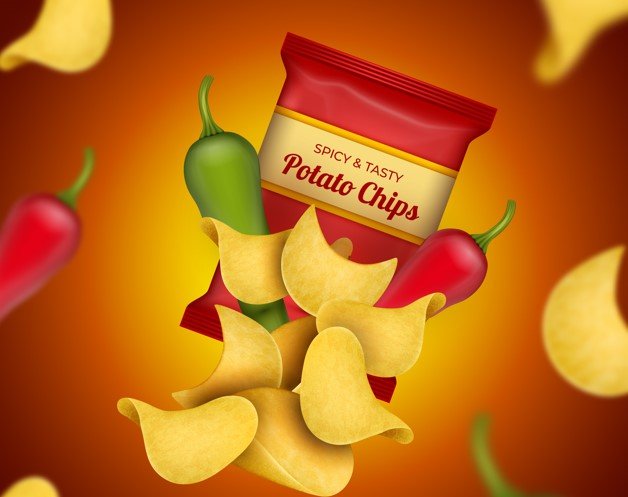
The humble potato chip bag, a marvel of modern engineering, has long been a symbol of snacking convenience—and environmental contradiction. For decades, these packages have been constructed from metallic plastic laminates, materials chosen for their superior ability to lock out air and moisture, preserving that essential crunch. Yet, this very functionality creates a profound end-of-life problem. These multi-material films are virtually impossible to recycle through conventional means, destined to linger in landfills or escape into ecosystems for centuries. Today, spurred by tightening regulations, investor pressure, and a powerful consumer shift towards sustainability, the snack industry is in the throes of an eco-friendly chips packaging revolution. The race is on to develop truly eco-friendly chip packaging that protects the product without costing the Earth.
The environmental imperative is clear. Globally, millions of single-use flexible plastic packages are produced every day. The traditional chip bag, often made from polypropylene laminated with aluminum and polyethylene, is a recycling facility’s nightmare. The different layers are bonded so tightly that they cannot be separated economically, rendering the entire package non-recyclable in most municipal systems. This linear "take-make-dispose" model is increasingly viewed as untenable. In response, a multi-pronged attack on the problem is underway, focusing on three core strategies: redesign, reimagine, and rethink.
Redesign: The Quest for Simplicity and Recyclability
The first strategy involves simplifying packaging construction to create a monomaterial. Instead of using layers of different plastics and metals, innovators are developing films made from a single type of plastic, such as polypropylene (PP) or polyethylene (PE). A bag made entirely from a single material is far more recognizable and easier to process by recycling facilities. Major brands are already piloting such "recyclable-by-design" bags in certain markets. The challenge here is matching the high barrier performance of traditional laminates to ensure the chips stay fresh and crisp for their expected shelf life. Advancements in resin technology and coating processes are steadily closing this gap.
Reimagine: Embracing Compostable and Bio-Based Materials
For many, the ideal solution is packaging that can safely and completely return to nature. This has led to a surge in home-compostable and industrially-compostable packaging. These innovations often use bio-based polymers like PLA (polylactic acid, derived from corn starch or sugarcane) combined with barrier coatings from materials like PVA (polyvinyl alcohol). When certified compostable, these bags can break down into water, carbon dioxide, and biomass in a composting environment, avoiding plastic pollution entirely. However, significant hurdles remain. Industrial composting infrastructure is not universally accessible, and home composting requires specific conditions. Moreover, the barrier properties and cost competitiveness with conventional plastics remain areas of intense research and development.
Perhaps the most visible trend is the return of paper. However, this isn't the simple paper bag of the past. Modern chip packaging using paper involves sophisticated, thin paper substrates coated or laminated with very thin, often bio-based, barrier layers to provide the necessary protection. The appeal is powerful: paper has a high recycling rate in many regions and, if untreated, can break down naturally. The key is ensuring the barrier coatings do not contaminate the paper recycling stream or hinder compostability—a challenge the industry is actively tackling.
Rethink: The Systemic Shift to a Circular Economy
Beyond the material itself, true sustainability requires rethinking the entire system. This means investing in advanced recycling technologies, like chemical recycling, which can break down complex plastics (including some laminates) into their molecular building blocks to create new, virgin-quality plastic. While promising, this technology is still scaling up.
Furthermore, refill and reuse systems are emerging as a bold, waste-eliminating alternative. Imagine purchasing a durable, stylish container once and refilling it with chips from bulk dispensers in-store or via a delivery subscription. While logistically complex for a fragile, shelf-stable product like chips, pilot projects are testing consumer willingness to participate in such circular models.
The path forward is not without its obstacles. The "green premium"—the higher cost of sustainable materials—is a real concern for both manufacturers and price-sensitive consumers. Performance, scalability of new material production, and clear consumer communication (to avoid "greenwashing" and ensure proper disposal) are all critical challenges.
Nevertheless, the momentum is undeniable. From start-ups using seaweed-based films to global conglomerates pledging 100% recyclable, compostable, or reusable packaging by 2030, innovation is accelerating. The next time you reach for a bag of chips, you might find your fingers rustling not against slick plastic, but against a compostable film or a recyclable paper pouch. That sound will be more than just the promise of a tasty snack; it will be the crunch of progress, signaling an industry transforming itself to meet the demands of both our palates and our planet.
FAQ: Eco-Friendly Chips Packaging
1. Why can't I recycle my regular chip bag in my curbside bin?
Traditional chip bags are made from multiple layers of different materials (like aluminum and various plastics) fused together. Recycling facilities use mechanical processes to sort and recycle materials by type. These complex laminates cannot be efficiently separated, which clogs machinery and contaminates recycling streams. Most facilities, therefore, reject them and direct them to the landfill.
2. What does "compostable" packaging really mean?
Compostable packaging is designed to break down into natural, non-toxic components (water, CO2, and biomass) within a specific timeframe under controlled composting conditions. It's crucial to distinguish between industrially compostable (which requires the high heat of a commercial facility) and home compostable (which breaks down in a backyard compost bin). Always check the certification label (like BPI or TUV) and dispose of it in the appropriate stream. Never put compostable packaging in the regular recycling bin.
3. Are paper-based chip bags actually better?
They can be, but it depends on the design. Pure, uncoated paper can be easily recycled or composted. However, to protect chips from grease and moisture, most paper packages have a thin plastic or bio-polymer coating. The sustainability impact hinges on whether this coating is separable, recyclable, or compostable. Look for specific disposal instructions on the bag. Paper with compostable coatings is a strong step forward.
4. Won't eco-friendly packaging make my chips go stale faster?
This is the primary technical challenge for innovators. The goal is to match the excellent barrier properties of traditional plastic. While early alternatives may have had shorter shelf lives, material science has advanced significantly. Many new monomaterial and compostable films now meet or are very close to the shelf-life requirements of major brands, ensuring your chips stay crunchy from factory to pantry.
5. As a consumer, what can I do to support the shift?
Your choices and voice are powerful:
Vote with Your Wallet: Support brands that invest in and use credible, sustainable packaging. Look for clear certifications.
Dispose Correctly: Follow the on-package instructions meticulously. Putting a compostable bag in recycling (or vice versa) does more harm than good.
Embrace Bulk: Where available, choose to purchase chips from bulk bins using your own reusable container.
Advocate: Ask your favorite brands about their packaging plans and express your desire for sustainable options. Consumer demand is a key driver of change.
Tags : eco friendly chips packaging