Tomato Ketchup Manufacturing Plant Setup Cost 2026: Complete Investment Guide
By Foodsure Machines 02-01-2026 145
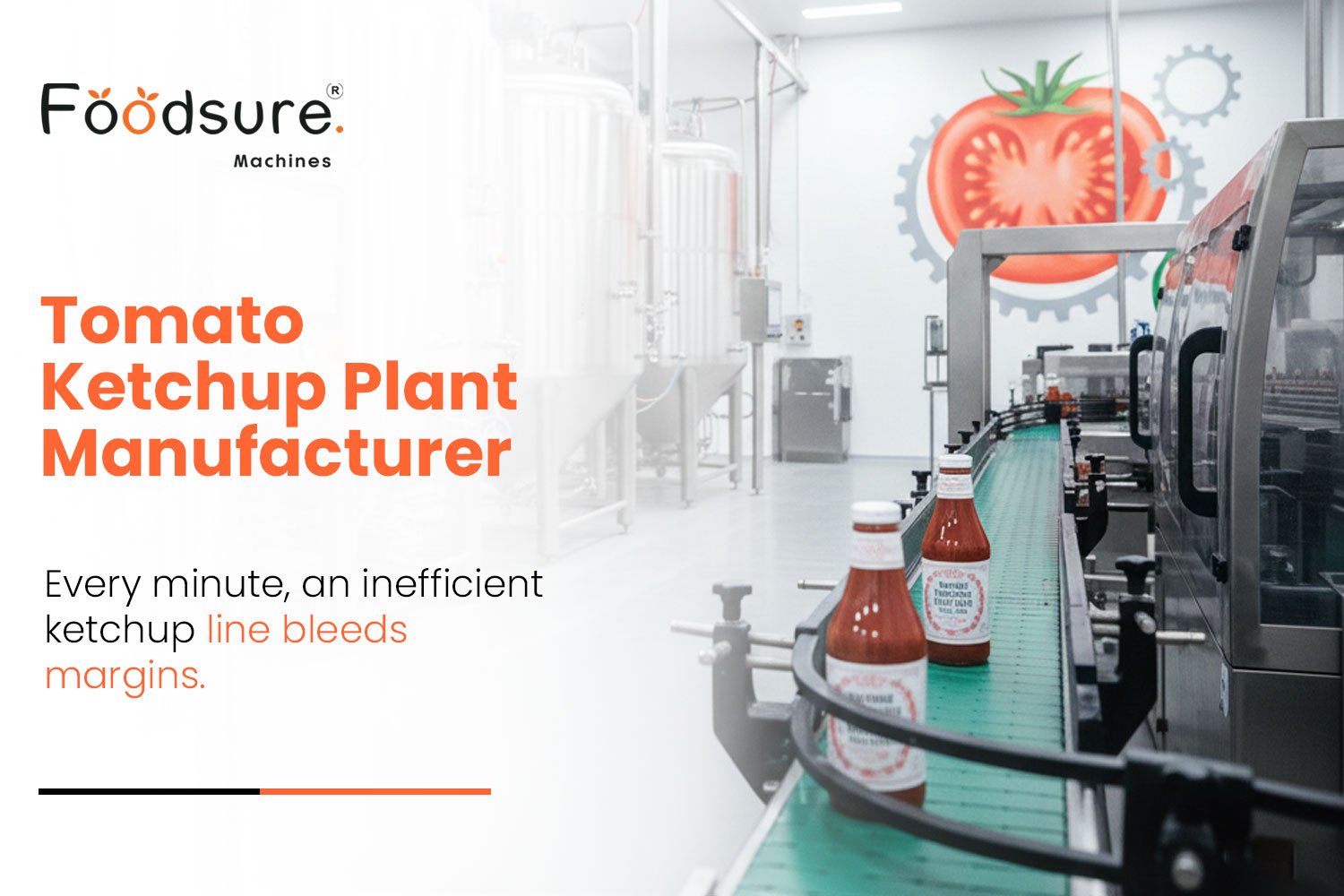
Starting a tomato ketchup processing plant presents entrepreneurs with significant opportunities in the food manufacturing sector. With consumer demand for convenient condiments continuing to rise and the fast-food industry expanding globally, understanding setup costs becomes essential for making smart investment decisions. This guide breaks down everything you need to know about establishing a profitable tomato ketchup processing plant in 2026.
What Makes Tomato Ketchup Manufacturing a Profitable Business Venture?
The tomato ketchup processing plant industry attracts investors because it combines steady consumer demand with manageable production requirements. Households, restaurants, and food service establishments rely on this versatile condiment daily. The business offers flexibility through different production scales, from small neighborhood operations to large-scale industrial facilities.
Market research shows that changing lifestyles and increasing urbanization drive consistent growth in ready-to-eat foods and accompanying condiments. This creates reliable revenue streams for well-managed manufacturing operations. Additionally, the relatively straightforward production process means entrepreneurs can enter the market without requiring highly specialized technical knowledge.
Understanding the Core Investment Components for Your Manufacturing Plant
Setting up a tomato ketchup proxcessing plant requires careful financial planning across multiple categories. Based on current market conditions, a small to medium-scale facility typically demands investment ranging from $35,000 to $180,000 (approximately INR 30 lakh to INR 1.5 crore).
Land and building costs form your first major expense. Choose locations near tomato-growing regions or food ingredient suppliers to minimize transportation costs. Industrial zones with reliable water supply and electricity connections work best. Construction must accommodate separate areas for raw material storage, production lines, quality testing, finished goods warehousing, and administrative offices.
Machinery represents your largest single investment category. Essential equipment includes washing systems for cleaning raw tomatoes, crushing machines that convert them into pulp, concentration equipment for achieving proper consistency, pasteurization units ensuring food safety, and filling machines with sealing capabilities. Semi-automatic systems start around $20,000, while fully automated production lines can exceed $100,000 depending on hourly capacity.
Raw material inventory requires sufficient working capital. Stock tomato paste or fresh tomatoes along with vinegar, sugar, salt, spices, and packaging materials. Building relationships with reliable suppliers helps maintain consistent quality and manage seasonal price fluctuations.
Utility setup, including water treatment systems, steam generation for cooking processes, and backup power arrangements, adds another cost layer. Budget approximately 30-50% of your core equipment expenses for these supporting systems.
How to Choose Between Small-Scale and Large-Scale Production Capacity
Your production capacity directly impacts both initial investment and ongoing profitability. The tomato ketchup processing plant setup varies significantly based on target output.
Small-scale operations processing 500 kilograms per hour suit entrepreneurs with limited capital or those testing regional markets. These facilities require less sophisticated machinery and smaller teams, keeping overhead manageable. Investment typically falls between $35,000-$75,000.
Medium-scale plants handling 2,000 kilograms hourly target broader distribution networks including supermarket chains and food service contracts. They need semi-automated systems, quality control laboratories, and cold storage facilities. Expect investments around $80,000-$150,000.
Large industrial facilities processing 5,000 kilograms or more per hour serve national markets and export opportunities. Full automation, advanced quality assurance systems, and sophisticated packaging lines become necessary. These projects start at $150,000 and can exceed $250,000 for cutting-edge setups.
Consider your available capital, market access, and growth timeline when deciding. Many successful manufacturers begin with smaller capacity and expand gradually as revenue stabilizes.
Why Location Selection Impacts Your Tomato Ketchup Plant Profitability
Strategic location choices significantly affect your tomato ketchup processing plant operational costs and profit margins. Proximity to tomato farms reduces transportation expenses and ensures fresher raw materials during harvest seasons. This becomes especially important if you plan processing fresh tomatoes rather than reconstituting paste.
Transportation connectivity matters equally for distributing finished products. Highway access to urban centers where consumption concentrates helps maintain competitive delivery schedules. Locations near ports benefit operations planning eventual exports.
Labor availability influences staffing costs and operational continuity. Industrial areas with established food processing sectors provide experienced workers familiar with hygiene standards and production protocols. Training costs decrease when hiring people with relevant background knowledge.
Regulatory compliance varies by region. Some areas offer subsidies through government schemes supporting food processing industries. Research programs like PMFME (Prime Minister's Formalization of Micro Food Processing Enterprises) or state-level incentives that can substantially reduce your net capital requirements.
What Are the Ongoing Operating Expenses Beyond Initial Setup Costs?
While setup costs grab attention during planning, understanding operational expenses determines long-term viability. Raw materials typically consume 40-50% of production costs. Tomato paste prices fluctuate with harvest conditions, requiring careful inventory management and supplier negotiations.
Labor costs vary by location and automation level. A small plant needs 8-12 workers handling production, quality checks, packaging, and maintenance. Medium operations employ 20-30 people across multiple shifts. Salaries, benefits, and training programs must fit your budget.
Utility expenses include electricity powering machinery and refrigeration, water for washing and processing, and fuel for steam generation during cooking stages. Energy-efficient equipment reduces these recurring costs significantly over time.
Packaging materials—bottles, labels, caps, cartons—represent substantial ongoing expenses. Bulk purchasing and standardized designs help control costs while maintaining product presentation quality that attracts buyers.
Marketing and distribution expenses grow with scale. Building brand recognition requires advertising budgets, while reaching retail shelves involves distributor margins and promotional allowances. Budget 8-12% of revenue for these activities during initial market entry phases.
Maintenance and spare parts for machinery prevent costly production shutdowns. Allocate funds for regular servicing, spare parts inventory, and occasional equipment upgrades as production volumes increase.
Faq
1. How much does it cost to set up a tomato ketchup manufacturing plant in 2026?
The setup cost depends on plant size and automation level. A small to medium tomato ketchup manufacturing plant typically costs between $35,000 and $180,000 (around ₹30 lakh to ₹1.5 crore), including machinery, utilities, and initial working capital.
2. What machinery is required for a tomato ketchup processing plant?
A standard tomato ketchup manufacturing plant needs tomato washing systems, crushing or pulping machines, concentration units, pasteurizers, and filling & sealing machines. Fully automated plants require higher investment but reduce labor costs.
3. Is tomato ketchup manufacturing a profitable business?
Yes, tomato ketchup manufacturing is profitable due to steady demand from households, restaurants, and fast-food chains. With proper location selection, cost control, and quality consistency, manufacturers can achieve stable long-term returns.
4. How do I choose the right production capacity for my ketchup plant?
If you are starting out, a small-scale plant (500 kg/hour) is ideal for regional markets. Medium and large plants suit wider distribution and exports. Your choice should depend on budget, target market, and future expansion plans.
5. What are the main operating costs after plant setup?
Major operating costs include raw materials (40–50%), labor, utilities, packaging, maintenance, and marketing expenses. Efficient machinery and supplier tie-ups help reduce recurring costs and improve profit margins.
Tags : .....