Home food business is growing rapidly due to consumer demand for homemade, fresh and personalised meals. Starting a home food business in the U.S. is appealing due to its low startup costs and operational flexibility. The small business of food allows you to turn your passion into profit. The best part is that you can set your own hours to work. In simple words, potentially building a customer base through digital marketing. If you are planning to start a home food business with low investments. Then this blog is for you, as it will guide you step by step to launch profitable ventures from home.
Choose Your Food Niche (Start Small)
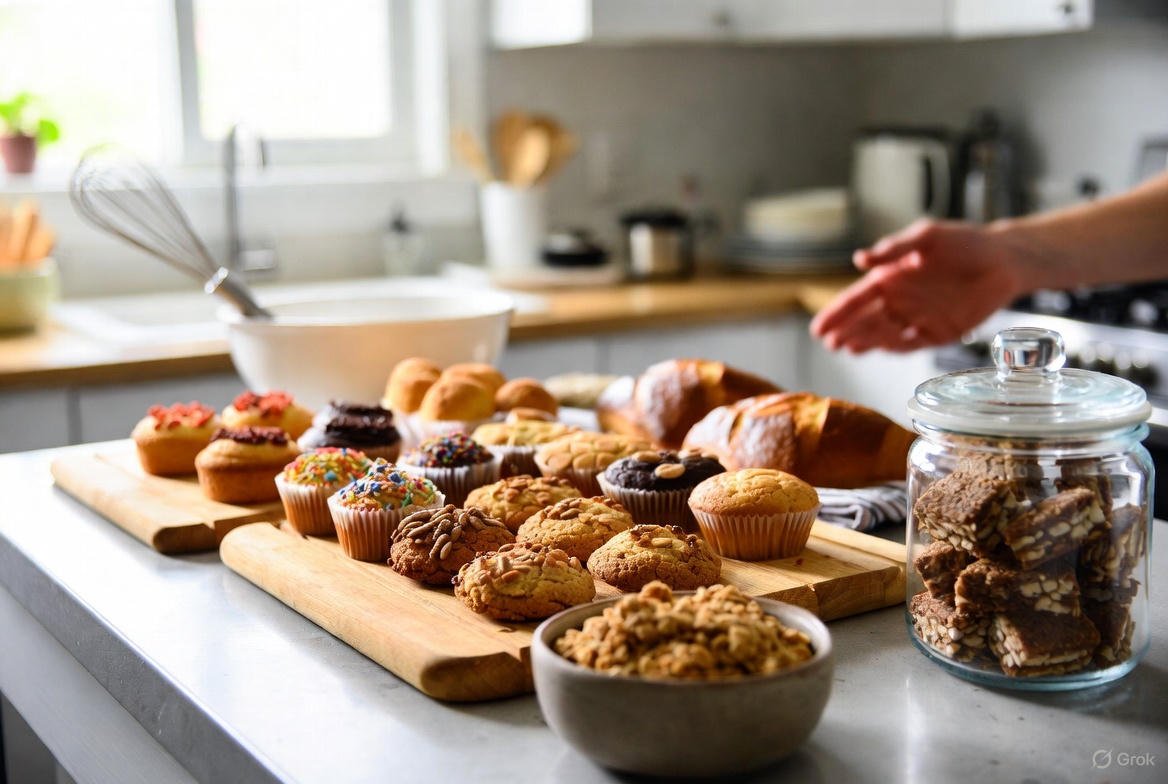
The very most important step to start a home food business is to choose the food niche. The best thing is to start with small things like homemade meals, tiffin service, baked goods like cookies, cupcakes and bread. Then there are frozen food options or healthy options. The healthy options can include granola or protein bars. Try to test your own products.
Research Your Local Market
Before you start selling, do small research:
- What foods are popular in your neighborhood?
- What are people willing to pay?
- Who are your competitors?
- Can you offer something better such as taste, price, packaging or delivery?
Talk to neighbors, check social media groups and observe what people order frequently.
Calculate Your Small Budget
To calculate the small budget for a home food business in the U.S, you need to add one-time startup costs like equipment and licensing with the recurring monthly expenses such as ingredients, marketing and utilities. A small-scale operation can normally start with a budget under $1000. In this low budget, one can focus on low-overhead models like catering or selling baked goods. But a cloud kitchen's starting cost revolves around $5000. The best thing is to start with what equipment you have. But also sideline a budget for specialized items like a commercial-grade mixer, food processor or specific packaging. Making your food look of premium quality, you can get custom boxes for baked goods in bulk, which will cost you very affordably due to wholesale rates.
Create and Test Your Recipes
Before you start selling, it's better to create and test your recipes. Focus on the one niche you selected and master it to the extent that it becomes your signature dish on your menu. Then, research your local state’s cottage food laws. These laws determine what you can legally sell from your home kitchen. And if you need a commercial license to sell certain dishes.

Get the Required License (If Needed)
You will likely need to get two or more business licences from your local authorities. But there is an equally important country-level permit like a cottage food license which is potentially a food handler’s permit. The exact requirements vary by location and the type of food you plan to sell. So you must research your specific state and local health regulations.
Keep Your Packaging Simple but Attractive
Good packaging increases value without costing much. For a US-based home food business, keep packaging simple and attractive by using cost-effective materials like paperboard boxes, clear bags or simple corrugated boxes. Add a professional and attractive touch with a simple logo sticker, rubber stamp or minimal printing on a single side to save money and appear professional. Choose designs that are transparent or feature your logo to enhance appeal while controlling costs.
Create a Menu (Short & Focused)
A short and focused menu for a home food business should feature popular, profitable and easily transportable items. The menu should follow a theme that uses inexpensive and widely appealing ingredients. But also allows for premium pricing through unique twists.
Promote Yourself for Free
You can use free digital marketing ways to promote your food business. Social media platforms like Instagram and Facebook groups. You can shoot and post the making of your signature dishes. Also, create a Google Business Profile and optimize your website. You can even go to the farmer's market and develop a strong network.
Start With Pre-Orders Only
Now you can set up a system to accept orders and payments. Your website should clearly show the food products, their pricing and pickup/delivery details. Set up effortless order taking from and payment gateways.

Deliver Smartly
Find well-reputed delivery partners like DoorDash, Uber Eats or Grubhub for a broad customer reach. These platforms take a percentage of each order. However, they offer excellent delivery logistics and even provide customer payment options.
Collect Reviews & Build Trust
Encourage your customers to leave positive reviews all across the internet. But don't miss out on Google and Yelp. Create a system where you will create automated systems sending out review invitations after a purchase. When you get verified on Google Business Profile, your business's credibility is established.
Slowly Expand
As your home food business, refine your products based on customers’ feedback. Further, you can explore revenue streams like custom orders and catering.
Final Tips for Low-Investment Success
To get your food business ideas to succeed, focus on a niche, utilize free marketing and optimize operations for efficiency. Every food startup keeps its initial costs low by focusing on a limited menu. Buying ingredients in bulk from local producers to reduce costs and reinvest profits to avoid debt. Very importantly, investing in durable and high-quality packaging. But what is more important is getting custom printed food boxes in bulk. This will lower the price and you can get custom printing on your packaging. You can get your brand story communicated with your unique design. But if you are low on budget then just focus on one color printing with your brand logo. Partner with a good delivery logistics provider. Get yourself online but smartly. Focus on repeat customers. Reinvest the profit rather than taking out large loans. Expand your business without any worries of paybacks.