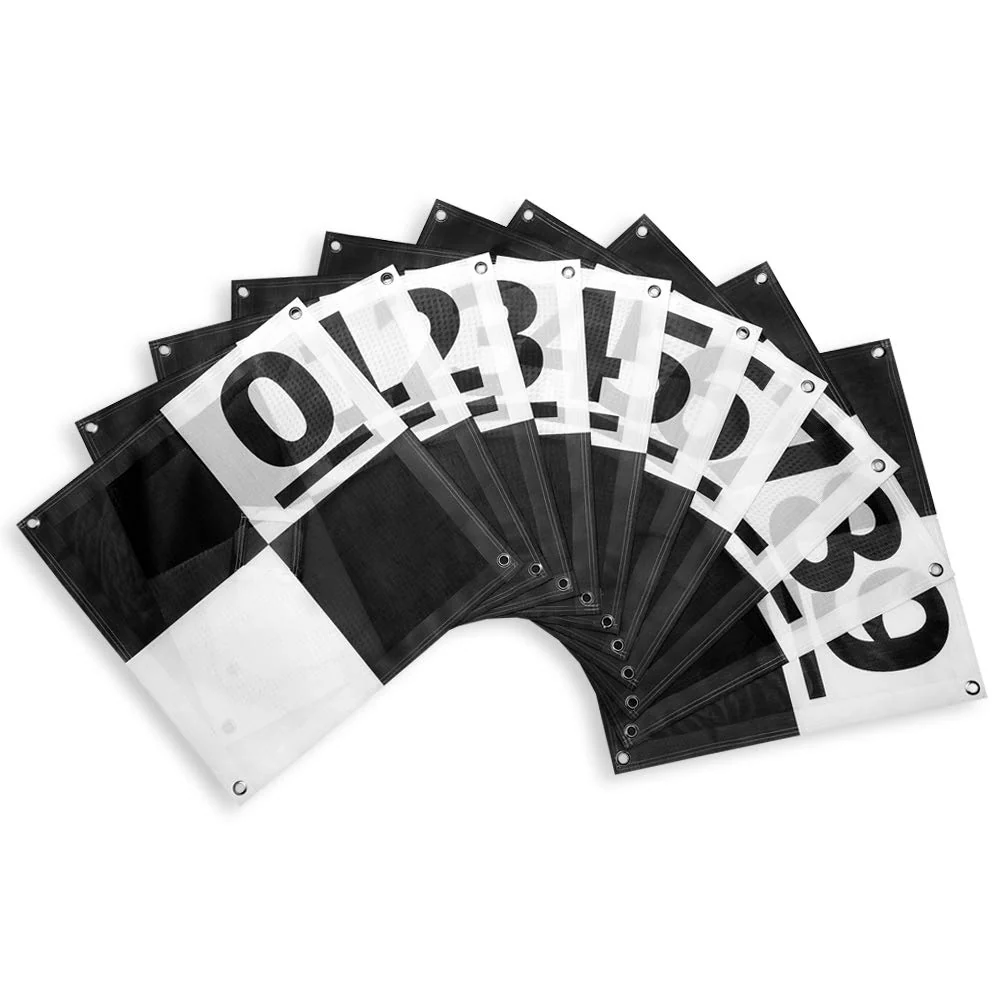
Drone imagery has changed the way mapping and surveying are done. What once took days of fieldwork can now be completed in a few flights. Even so, collecting images is only half the job. Those images must line up correctly with the real world to be useful. This is where ground control points come in.
Ground control points help transform raw drone photos into accurate maps, models, and measurements. They bring consistency to the data and correct the small positioning errors that naturally occur during drone flights. Understanding how they work makes it easier to see why they are still widely used in professional drone projects.
What Does “Aligning Drone Imagery” Actually Mean?
When a drone flies over an area, it captures hundreds of overlapping images. Mapping software then stitches these images together to create outputs like orthomosaic maps, elevation models, or 3D surfaces.
Image alignment is the step in which the software determines how each photo fits with the others and where the entire dataset sits on Earth. Without proper alignment, maps may appear visually correct but be slightly shifted, stretched, or tilted relative to real-world locations.
This misalignment may go unnoticed at first, but it becomes a problem when accurate measurements or overlays are required.
A Simple Explanation of Ground Control Points
Ground control points are visible markers placed on the ground at known coordinates. These coordinates are measured using high-accuracy GPS or GNSS equipment before or after the drone flight.
When the images are processed, the software identifies these markers in the photos and matches them to their real-world coordinates. This allows the software to adjust the position, scale, and orientation of the entire image set.
Think of GCP target placement as reference pins that hold the imagery in place so it does not drift or shift during processing.
Why Drone Imagery Can Be Misaligned
Even with modern drones, image misalignment is common. This happens for several practical reasons.
GPS Is Not Perfect
Most drones rely on standard GPS systems, which can be off by a meter or more. Over a large site, this small error can turn into noticeable misalignment.
Flight Conditions Affect Stability
Wind, minor course corrections, and changes in altitude can slightly alter the drone’s position and camera angle while capturing images.
Terrain Adds Complexity
Slopes, hills, and uneven ground can distort scale and elevation if the software lacks reliable ground references.
Camera and Lens Distortion
Wide-angle lenses and changing perspectives can affect how features line up across multiple images.
Without correction, these issues can reduce the accuracy of the final map, even if the images look sharp and detailed.
How Ground Control Points Improve Alignment
Ground control points fix alignment problems by providing the software with accurate data to work with. Instead of relying only on GPS data and image overlap, the software uses real-world reference locations.
Anchoring Images to Real Locations
Each ground control point acts as a known location that the software can trust. Once these points are identified in the images, everything else adjusts around them.
Correcting Horizontal Errors
Small shifts left, right, forward, or backward are corrected by aligning imagery to the known positions of control points.
Improving Vertical Accuracy
Elevation errors are common in drone mapping. Ground control points help correct height values, making terrain models and contours more accurate.
Preventing Error Build-Up
Without reference points, small errors can spread across a project. Placing control points throughout the site keeps alignment consistent from one end to the other.
How Better Alignment Improves Mapping Results
Proper alignment affects every output created from drone imagery. When ground control points are used correctly, the difference is clear.
- Orthomosaic maps match real-world features accurately.
- Elevation models reflect true ground heights
- 3D models appear more realistic and measurable
- GIS and CAD overlays fit correctly
- Area, distance, and volume calculations become reliable.
These improvements are especially important for professional and technical applications.
How Many Ground Control Points Should Be Used?
There is no universal number that works for every project. The right amount depends on site size, terrain, and accuracy needs.
Small Projects
Four to six well-placed points are often enough. These should be positioned near the corners and one near the center.
Medium to Large Sites
Larger areas benefit from additional points spread evenly across the entire site.
Sloped or Complex Terrain
Extra points help maintain vertical accuracy and prevent distortion.
The key is thoughtful placement rather than simply adding more points.
Ground Control Points and Advanced Drone Systems
Some drones use advanced positioning systems that improve GPS accuracy during or after the flight. These systems reduce positioning errors, but they do not completely replace ground control points.
Control points are still valuable for:
- Confirming final accuracy
- Acting as quality checks
- Meeting professional or regulatory standards
Many experienced operators use both technologies together for added confidence.
Practical Tips for Better Results
Using ground control points does not need to be complicated. A few simple practices can significantly improve results.
Choose Clear, High-Contrast Targets
Black-and-white targets are easier to identify in aerial images.
Measure Coordinates Carefully
The accuracy of alignment depends on how precisely the control points are surveyed.
Spread Points Across the Site
Avoid placing all points in one area. Even distribution helps maintain consistency.
Keep Targets Visible
Ensure targets are not obscured by shadows, vegetation, or site activity during the flight.
When Ground Control Points Matter Most
Ground control points are especially important for projects where accuracy affects decisions or costs, such as:
- Construction and engineering surveys
- Land development and planning
- Mining and material volume measurement
- Infrastructure and utility mapping
- Legal or compliance-related work
In these situations, even small alignment errors can cause problems.
Final Thoughts
Drone imagery offers speed and flexibility, but accuracy depends on proper alignment. Ground control points provide the reference framework that keeps aerial data grounded in reality. They correct GPS limitations, improve elevation accuracy, and prevent alignment drift across a project.
For anyone aiming to produce dependable maps and models, ground control points remain one of the most effective and trusted tools in drone mapping workflows.
Tags : .....