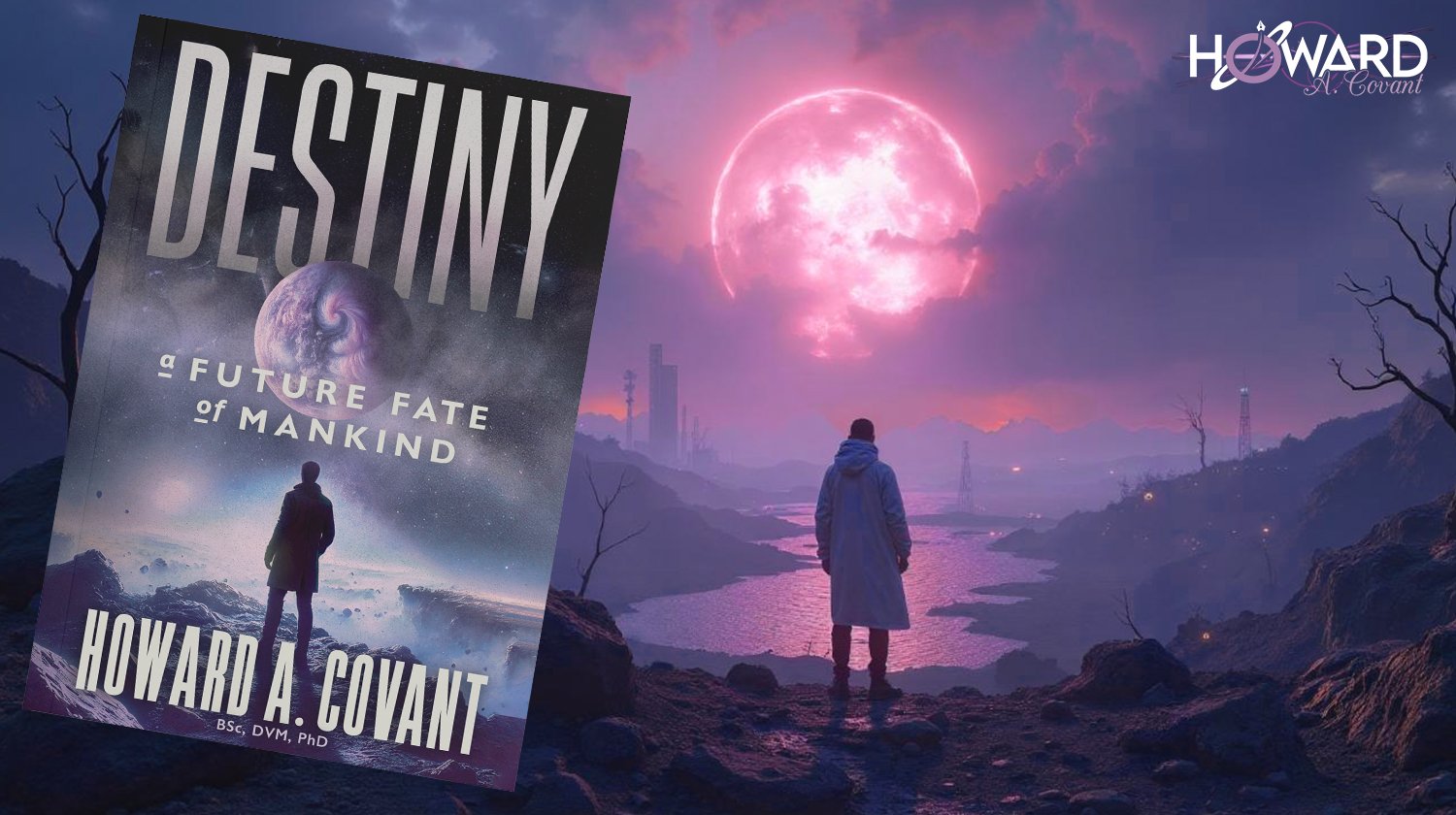
Science fiction has always been a genre that pushes the boundaries of imagination, exploring futuristic concepts, alternate realities, and advanced technology. Among these, thought-provoking sci-fi novels stand out as they not only entertain but also challenge readers to question humanity, morality, and the universe. Whether you are a seasoned reader or new to science fiction, exploring these novels can provide a unique perspective on life and society.
Why Thought-Provoking Sci-Fi Novels Matter
Thought-provoking sci-fi novels go beyond typical space adventures and futuristic gadgets. They encourage readers to think critically about the world and consider “what if” scenarios that challenge conventional thinking. These novels often tackle themes such as artificial intelligence, dystopian societies, ethical dilemmas, and the consequences of human innovation. They are not just stories; they are reflections of our potential future and the moral choices we face today.
Authors who specialize in thought-provoking sci-fi novels use their narrative skills to blend philosophy, science, and suspense. By weaving complex characters and intricate plots, they invite readers to engage deeply with the story. This is why many of these novels remain relevant years after publication, inspiring debates and discussions among fans and critics alike.
Top Thought-Provoking Sci-Fi Novels You Must Read
One of the most famous examples of thought-provoking sci-fi novels is 1984 by George Orwell. This dystopian classic explores the dangers of totalitarianism and the manipulation of truth. Similarly, Brave New World by Aldous Huxley examines the cost of a society obsessed with pleasure and control, questioning what true freedom means.
Contemporary thought-provoking sci-fi novels continue to push boundaries. Works like The Three-Body Problem by Liu Cixin delve into cosmic civilizations and existential risks, blending hard science with philosophical inquiry. Neuromancer by William Gibson explores cyberspace and artificial intelligence, raising questions about human identity and technological dependence. These novels are perfect examples of how science fiction can provoke thought while delivering gripping narratives.
Other remarkable thought-provoking sci-fi novels include Snow Crash by Neal Stephenson, which combines virtual reality and linguistics in a fast-paced story, and The Left Hand of Darkness by Ursula K. Le Guin, which challenges societal norms and gender roles in a distant planet society. Each of these novels offers a unique lens through which readers can reflect on human nature and future possibilities.
How to Choose the Right Thought-Provoking Sci-Fi Novels
Choosing the right thought-provoking sci-fi novels depends on your interests and what kind of questions you want the story to explore. If you are intrigued by technology and artificial intelligence, novels like Excession by Iain M. Banks or Do Androids Dream of Electric Sheep? by Philip K. Dick might resonate with you.
For those interested in social commentary, novels such as Fahrenheit 451 by Ray Bradbury or The Handmaid’s Tale by Margaret Atwood examine society, censorship, and gender dynamics through speculative futures. Meanwhile, if you love space exploration and cosmic mysteries, novels like Hyperion by Dan Simmons or Dune by Frank Herbert are excellent choices.
When picking thought-provoking sci-fi novels, consider the themes, world-building, and philosophical depth. Look for books that challenge your perception, introduce complex moral dilemmas, and inspire introspection. These novels are not just about entertainment—they leave a lasting impact on your worldview.
The Lasting Impact of Thought-Provoking Sci-Fi Novels
Reading thought-provoking sci-fi novels can transform the way you think about life and the universe. They inspire curiosity, critical thinking, and empathy by presenting alternative realities and ethical challenges. Many readers find themselves reflecting on these stories long after finishing the book, discussing ideas with friends or even applying lessons to real-world situations.
Moreover, thought-provoking sci-fi novels often influence science and technology. Concepts explored in these novels have inspired real-world inventions and scientific research. By reading them, you not only enjoy compelling narratives but also gain insight into how literature can shape innovation and societal progress.
Conclusion
Thought-provoking sci-fi novels are more than just stories—they are mental exercises that expand imagination, challenge beliefs, and inspire reflection. From classic dystopias to modern explorations of technology and society, these novels invite readers to question reality and envision possible futures. By exploring thought-provoking sci-fi novels, you can embark on journeys that entertain, educate, and leave a lasting impact on your mind.