Kidney health is closely connected to the proper functioning of the body’s blood circulation system. The kidneys rely on a steady and adequate blood supply through the renal arteries to filter waste, regulate blood pressure, and maintain fluid balance. However, when these arteries become narrowed or blocked due to a condition known as renal artery stenosis, the kidneys may not function efficiently. In such cases, modern interventional procedures can help restore blood flow and protect kidney function.
One of the most effective and minimally invasive treatments available today is Percutaneous Transluminal Renal Angioplasty. This advanced procedure is widely used to open narrowed renal arteries, improve blood flow to the kidneys, and manage conditions such as uncontrolled hypertension and declining kidney function.
Understanding Renal Artery Stenosis
Renal artery stenosis occurs when the arteries supplying blood to the kidneys become narrowed. This narrowing is most commonly caused by atherosclerosis, a condition in which fatty deposits build up along the inner walls of blood vessels. Over time, these deposits restrict blood flow, affecting the kidney’s ability to regulate blood pressure and filter waste from the bloodstream.
When the kidneys receive reduced blood supply, they may trigger the body to increase blood pressure in an attempt to compensate. As a result, patients may develop severe or difficult-to-control hypertension. If left untreated, renal artery stenosis can lead to complications such as kidney damage, worsening hypertension, or even kidney failure.
Doctors may recommend Percutaneous Transluminal Renal Angioplasty as a safe and effective treatment option when medications alone are not enough to manage the condition.
What is Percutaneous Transluminal Renal Angioplasty?
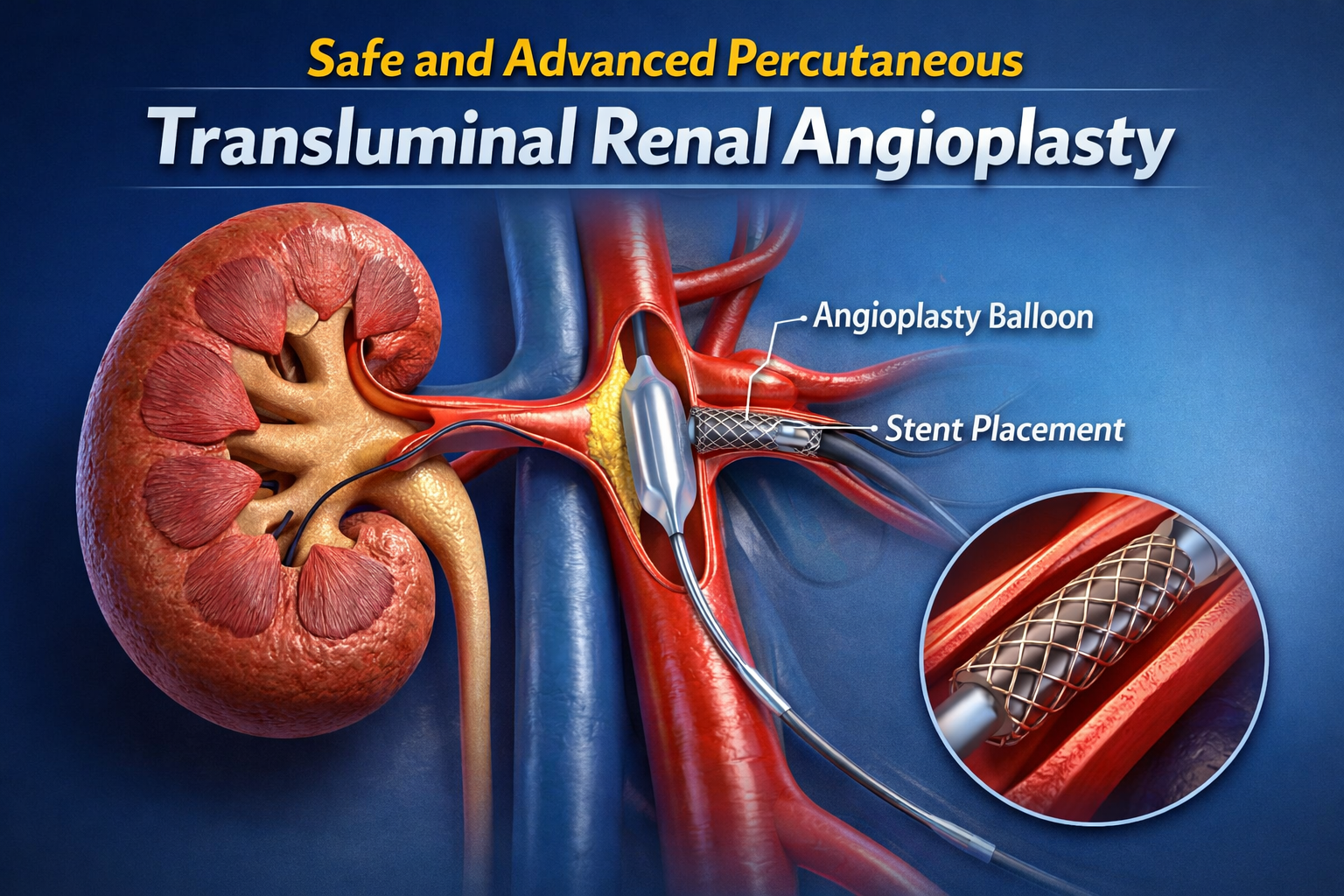
Percutaneous Transluminal Renal Angioplasty is a minimally invasive procedure designed to open narrowed renal arteries and restore proper blood flow to the kidneys. Instead of traditional open surgery, this procedure is performed through a small puncture in a blood vessel, usually in the groin or wrist.
A thin, flexible tube called a catheter is carefully guided through the blood vessels to reach the narrowed renal artery. Once the catheter reaches the affected area, a small balloon attached to the catheter is inflated. The balloon gently presses the plaque against the artery wall, widening the artery and improving blood flow.
In many cases, a small mesh tube known as a stent may also be placed to keep the artery open and prevent future narrowing.
This advanced approach has significantly improved the treatment of renal artery disease, offering patients faster recovery, reduced risk, and effective long-term outcomes.
Who May Need This Procedure?
Patients with certain symptoms or conditions may benefit from angioplasty treatment for renal artery narrowing. Doctors usually recommend the procedure when diagnostic tests confirm that reduced blood flow is affecting kidney function or blood pressure control.
Common indications include:
Severe or resistant high blood pressure
Reduced kidney function without a clear cause
Sudden worsening of hypertension
Recurrent episodes of fluid overload or heart failure
Significant narrowing of one or both renal arteries detected on imaging tests
Early diagnosis and timely treatment can help prevent long-term kidney damage and improve overall cardiovascular health.
Diagnostic Tests Before Treatment
Before recommending the procedure, doctors typically perform several diagnostic tests to evaluate blood flow to the kidneys and confirm the presence of renal artery narrowing.
These tests may include:
Doppler ultrasound of the renal arteries
CT angiography
MR angiography
Renal angiography (gold standard diagnostic test)
These imaging techniques allow specialists to accurately locate the narrowed segment of the artery and determine the severity of the blockage.
Step-by-Step Procedure
The angioplasty procedure is performed in a specialized cardiac catheterization laboratory by an experienced interventional cardiologist.
1. Preparation
The patient is given local anesthesia at the insertion site, and mild sedation may be administered for comfort. The procedure usually takes about 45 minutes to 2 hours depending on the complexity of the case.
2. Catheter Insertion
A small puncture is made in the blood vessel, and a catheter is inserted into the artery. Using real-time imaging guidance, the doctor carefully navigates the catheter through the blood vessels toward the renal artery.
3. Balloon Expansion
Once the catheter reaches the narrowed section of the artery, a balloon at the tip of the catheter is inflated. This inflation widens the artery and improves blood flow to the kidney.
4. Stent Placement (If Required)
In some cases, a stent is placed in the artery to help maintain the widened passage and reduce the risk of future narrowing.
5. Completion
After the artery is successfully opened, the balloon and catheter are removed. The puncture site is then sealed, and the patient is monitored for a few hours.
This minimally invasive technique allows patients to recover much faster compared to traditional surgical approaches.
Benefits of the Procedure
Modern interventional cardiology has made angioplasty procedures safer and more effective than ever before. The benefits of Percutaneous Transluminal Renal Angioplasty include:
Minimally invasive treatment
Short hospital stay
Faster recovery time
Improved blood flow to the kidneys
Better control of high blood pressure
Reduced risk of kidney damage
Because the procedure does not require large surgical incisions, patients often experience less discomfort and a quicker return to normal activities.
Recovery After the Procedure
Recovery from angioplasty is generally smooth and uncomplicated. Most patients are able to return home within 24 hours after the procedure.
During the recovery period, patients are advised to:
Avoid heavy physical activity for a few days
Drink plenty of fluids
Take prescribed medications regularly
Follow up with their doctor for monitoring
Doctors may also recommend lifestyle changes such as maintaining a healthy diet, controlling cholesterol levels, and managing blood pressure to prevent further vascular problems.
Risks and Safety Considerations
Although the procedure is considered very safe, like any medical intervention it carries some potential risks. These complications are rare but may include:
Bleeding at the catheter insertion site
Allergic reaction to contrast dye
Blood vessel injury
Re-narrowing of the artery
Kidney complications
Choosing an experienced specialist and a well-equipped medical facility significantly reduces the likelihood of complications and ensures optimal treatment outcomes.
Importance of Expert Care
The success of angioplasty procedures depends greatly on the expertise of the treating specialist and the quality of medical infrastructure available. Advanced imaging technology, skilled interventional cardiologists, and comprehensive post-procedure care all contribute to safer treatment and better long-term results.
In the Tricity region, patients seeking specialized heart and vascular care often consult Dr. Munish Dev, a highly experienced cardiologist known for his expertise in interventional cardiology and advanced cardiovascular procedures. With years of clinical experience and dedication to patient-centered care, Dr. Munish Dev focuses on accurate diagnosis and modern treatment techniques to ensure the best possible outcomes for patients.
Preventing Renal Artery Disease
While medical procedures can effectively treat artery narrowing, prevention remains equally important. Adopting a healthy lifestyle can significantly reduce the risk of developing vascular conditions.
Some key preventive measures include:
Maintaining healthy blood pressure levels
Controlling cholesterol and blood sugar
Avoiding smoking and tobacco use
Exercising regularly
Following a balanced and heart-healthy diet
Regular health checkups also help detect cardiovascular risk factors early, allowing timely intervention before serious complications develop.
Conclusion
Renal artery narrowing can significantly impact both kidney function and overall cardiovascular health. Fortunately, modern medical technology has introduced minimally invasive procedures that can effectively restore blood flow and improve patient outcomes.
Percutaneous Transluminal Renal Angioplasty has become one of the most reliable treatments for renal artery stenosis, offering a safe, precise, and efficient way to open blocked arteries without major surgery. With proper diagnosis, expert care, and timely treatment, patients can regain better blood pressure control and protect long-term kidney function.
Advances in interventional cardiology continue to improve patient safety and recovery, making such procedures an important part of modern cardiovascular care. Early consultation with a qualified specialist ensures the right treatment approach and helps patients maintain better heart and kidney health for the future.