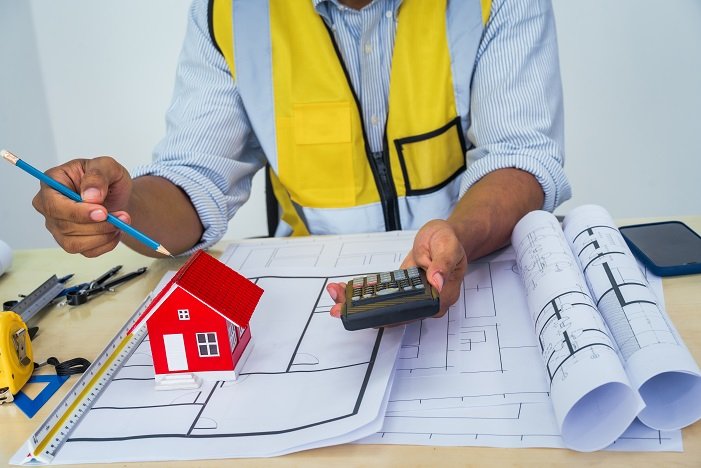
In residential construction, one of the biggest challenges is maintaining control over costs while ensuring quality results. Whether it’s building a new home, renovating a kitchen, or adding an extension, every project requires careful planning and budgeting. This is where Residential Estimating Services play a critical role. By providing accurate cost breakdowns, they help homeowners, contractors, and developers make smarter financial decisions and avoid unnecessary surprises during the construction process.
What Are Residential Estimating Services?
Residential estimating refers to the process of analyzing and calculating the costs involved in building or remodeling a home. It goes beyond simply adding up material and labor costs. Professional estimators consider factors such as permits, subcontractor fees, equipment, and potential risks. Unlike commercial estimating, which focuses on large-scale projects, residential estimating deals specifically with individual homes, apartments, and small housing developments.
Benefits of Residential Estimating Services
The main advantage of using residential estimators is the ability to plan with confidence. Here are a few ways these services add value:
- Accurate Cost Projections: A detailed estimate ensures that homeowners and contractors know the exact budget requirements before starting.
- Time and Budget Savings: By preventing overspending and avoiding last-minute adjustments, estimates keep projects on track.
- Reduced Financial Risks: Identifying hidden costs early reduces the chances of budget overruns.
- Improved Decision-Making: With a clear financial picture, it becomes easier to choose materials, hire subcontractors, and schedule timelines effectively.
Key Components of Residential Estimating
A professional estimate covers several important areas:
- Material Takeoffs – Listing and measuring all required materials such as wood, steel, concrete, flooring, and fixtures.
- Labor Costs – Evaluating the wages of carpenters, electricians, plumbers, and other skilled workers.
- Equipment and Subcontractors – Considering the cost of specialized machinery or external subcontractor services.
- Overheads and Contingencies – Including insurance, taxes, and unexpected costs that may arise during construction.
These components create a complete financial roadmap for the project.
Who Needs Residential Estimating Services?
While estimating is valuable for everyone involved in construction, certain groups benefit the most:
- Homeowners who are planning renovations, home additions, or new builds can avoid overspending with proper estimates.
- Contractors rely on accurate estimates to prepare competitive bids and secure more projects.
- Developers managing multiple residential units or housing communities require detailed cost analysis to maximize profitability.
The Role of Technology in Modern Estimating
Today’s estimating process has evolved with the help of advanced technology. Software tools and digital takeoff platforms allow estimators to work faster and with greater precision. Cloud-based solutions also make it easier to share estimates with clients, architects, and contractors, ensuring clear communication. This integration of technology reduces errors and enhances the efficiency of construction planning.
Conclusion
Every successful residential project begins with accurate cost planning. Without clear estimates, homeowners and contractors risk facing delays, budget overruns, and financial stress. By using Residential Estimating Services, individuals and businesses gain a reliable financial blueprint that guides their construction journey from start to finish. Investing in professional estimating is not just about saving money—it’s about ensuring peace of mind and achieving quality results within budget.