Kidney health often goes unnoticed until something starts to feel wrong. For individuals affected by FSGS, understanding the condition can make a powerful difference in how it’s managed. At Neph Cure, we are dedicated to transforming complex medical knowledge into clear, approachable information that empowers patients, families, and caregivers.
In this article, we’ll explore focal segmental glomerulosclerosis signs and symptoms, discuss common fsgs symptoms, and provide an overview of current fsgs kidney disease treatment options. Our goal is to help you feel informed, supported, and confident as you navigate this journey.
What Is Focal Segmental Glomerulosclerosis (FSGS)?
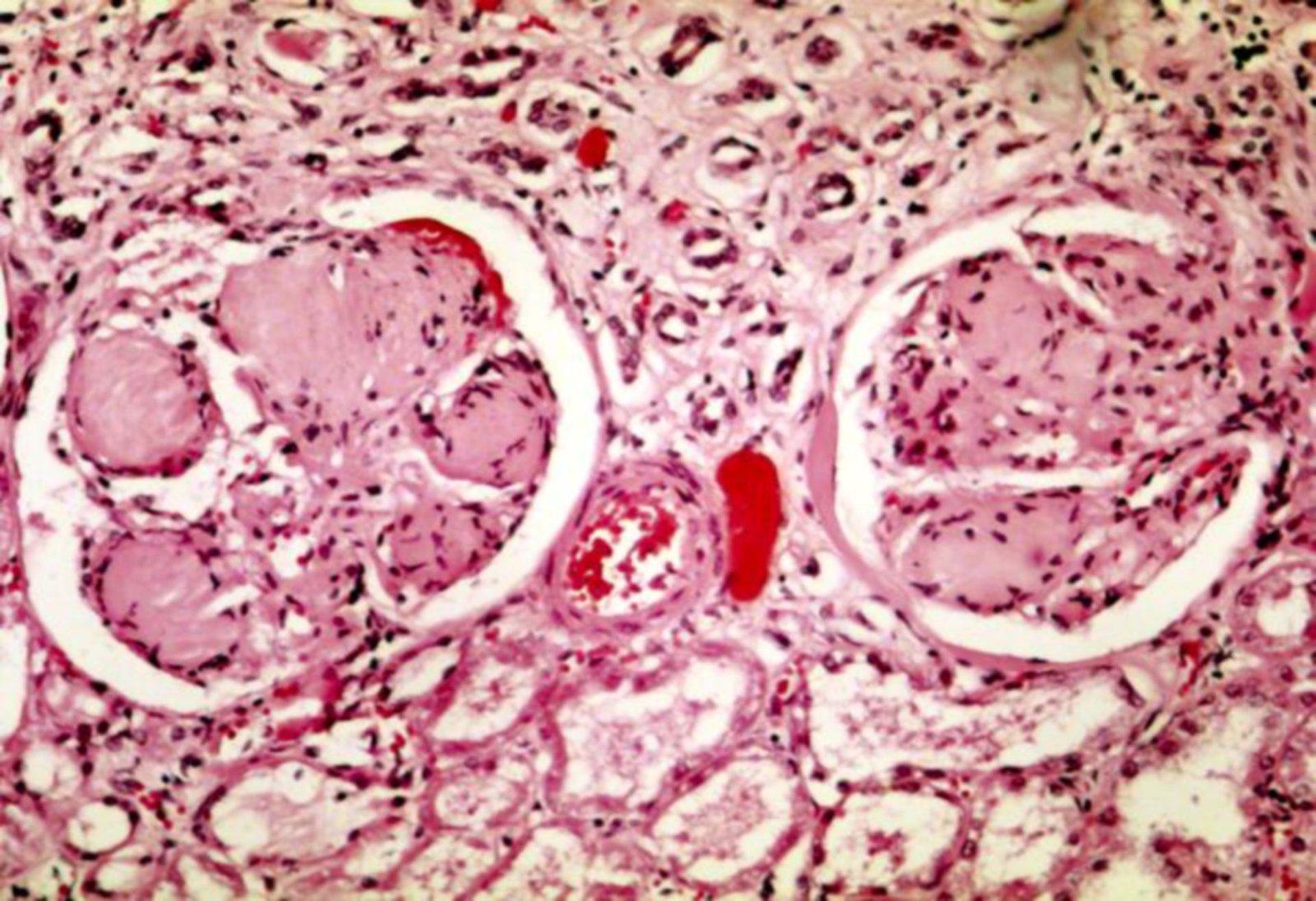
Focal Segmental Glomerulosclerosis commonly referred to as FSGS- is a kidney disorder that causes scarring (sclerosis) in the glomeruli, the tiny filters that remove waste from the blood. Over time, this scarring interferes with normal kidney function and can lead to significant complications.
At Neph Cure, we focus on raising awareness, supporting research, and advocating for better outcomes for everyone impacted by FSGS.
Understanding Focal Segmental Glomerulosclerosis Signs and Symptoms
One of the biggest challenges with FSGS is that symptoms may develop slowly or resemble other health issues. Recognizing focal segmental glomerulosclerosis signs and symptoms early can help prompt timely medical care.
Common Focal Segmental Glomerulosclerosis Signs and Symptoms
People living with FSGS may experience:
Persistent swelling in the legs, ankles, feet, face, or abdomen
Foamy or frothy urine caused by protein loss
Fatigue and decreased energy
Sudden weight gain related to fluid retention
Reduced urine output
Recognizing Early FSGS Symptoms
In some cases, fsgs symptoms may start subtly and worsen over time. Paying attention to small changes in your body can be crucial.
Early and Progressive FSGS Symptoms
Mild swelling that gradually increases
Changes in urine appearance or frequency
Difficulty concentrating due to fatigue
Increased susceptibility to infections
At Neph Cure, we encourage individuals not to ignore early fsgs symptoms, as early intervention can help slow disease progression.
Why Early Detection Is So Important
FSGS can progress at different rates depending on the individual and the underlying cause. When left untreated, it may lead to chronic kidney disease or kidney failure. Early recognition of focal segmental glomerulosclerosis signs and symptoms allows healthcare providers to begin targeted care sooner.
Causes and Risk Factors Behind FSGS
While this article focuses on symptoms and treatment, understanding risk factors adds valuable context.
FSGS may be:
Primary (idiopathic) – with no clear underlying cause
Secondary – related to other conditions such as obesity, infections, or reduced kidney mass
Genetic – linked to inherited mutations
At Neph Cure, we support research that continues to uncover why FSGS develops and how it can be better treated.
Overview of FSGS Kidney Disease Treatment
There is no one-size-fits-all approach. Care plans are tailored based on disease severity, underlying cause, and how the individual responds to therapy.
Common FSGS Kidney Disease Treatment Approaches
Treatment strategies may include:
Immunosuppressive medications
Help reduce immune-related kidney damage
Corticosteroids
Often used as a first-line therapy
Blood pressure medications
ACE inhibitors or ARBs to reduce protein loss
Cholesterol management
Addresses increased cardiovascular risk
Lifestyle and dietary adjustments
Support overall kidney health
At Neph Cure, we emphasize that fsgs kidney disease treatment is most effective when combined with ongoing monitoring and patient education.
Managing Symptoms Alongside Treatment
While medical therapy addresses the disease process, symptom management plays an equally important role.
Supporting Quality of Life
Patients may benefit from:
Managing fluid and salt intake
Monitoring weight and swelling daily
Staying consistent with medications
Communicating openly with healthcare providers
Addressing fsgs symptoms holistically helps patients maintain daily routines and emotional well-being.
Emotional and Mental Health Support
Living with a chronic kidney condition can be emotionally challenging. Anxiety, frustration, and uncertainty are common, especially after noticing persistent or receiving a diagnosis.
At Neph Cure, we believe emotional health is just as important as physical care. Patient communities, counseling resources, and advocacy groups can provide connection and reassurance.
Research, Advocacy, and Hope for the Future
Progress in understanding focal segmental glomerulosclerosis signs and symptoms and improving fsgs kidney disease treatment depends on sustained research and advocacy.
Neph Cure is committed to:
Funding innovative kidney disease research
Supporting patient education initiatives
Advocating for improved access to care
Giving a voice to those affected by FSGS
Every breakthrough begins with awareness and every informed patient strengthens the future of kidney care.
Final Thoughts
FSGS can feel overwhelming, but knowledge brings clarity and confidence. By recognizing focal segmental glomerulosclerosis signs and symptoms, understanding common fsgs symptoms, and exploring available fsgs kidney disease treatment options, patients and families can take an active role in their health journey.