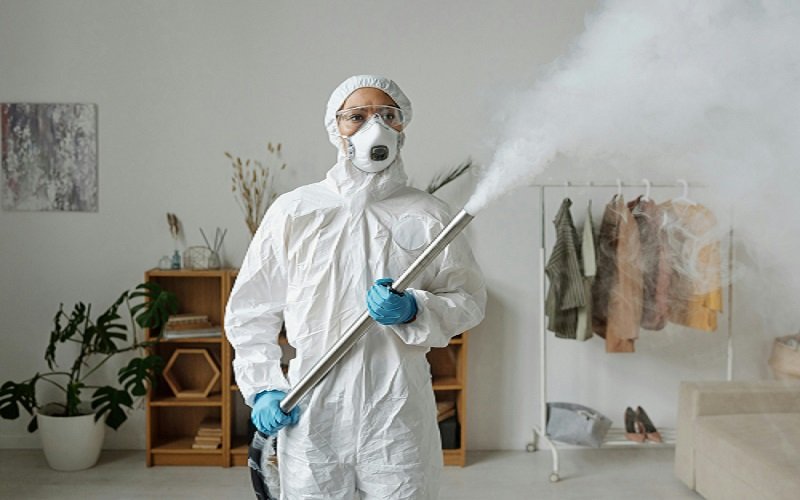
Pest activity is a serious concern for Australian businesses, from hospitality venues to warehouses and offices. The way a business handles pests can affect safety, reputation, and daily operations. When it comes to managing infestations, there are two main approaches: preventive and reactive. Understanding the difference helps business owners make informed decisions about commercial pest control.
What Is Preventive Pest Management?
Preventive pest management focuses on reducing the chances of infestations before they start. It involves regular inspections, monitoring, and targeted treatments based on the specific risks of a site.
In Australia, changing weather conditions and urban growth create ideal environments for pests such as rodents, cockroaches, and ants. A preventive plan takes these factors into account and applies scheduled services to keep pest activity under control.
This approach suits businesses that want consistency and fewer disruptions. It also supports compliance with health and safety standards, especially in industries like food service and healthcare.
What Is Reactive Pest Management?
Reactive pest management is a response to an existing infestation. Businesses using this approach usually contact a pest control provider once a problem becomes visible, such as spotting rodents or insect activity.
While this may seem cost-effective at first, it often leads to more complex issues. By the time pests are noticed, they may have already spread, caused damage, or contaminated products.
Reactive services can require urgent treatments, repeat visits, and sometimes temporary closures depending on the severity of the infestation.
Comparing the Two Approaches
The main difference lies in timing and long-term impact.
Preventive strategies focus on ongoing monitoring and risk reduction. This means fewer surprises and better control over pest-related risks. In contrast, reactive methods deal with problems after they arise, often when the situation has already escalated.
For businesses, the cost factor is also important. Preventive commercial pest control services are planned and predictable, while reactive treatments can vary depending on the extent of the infestation.
Operational continuity is another factor. Preventive measures support smooth day-to-day operations, whereas reactive responses may interrupt business activities.
Why Preventive Pest Control Makes Sense for Businesses
Australian businesses face strict regulations, especially in sectors handling food and public interaction. Regular pest management helps meet inspection standards and reduces the risk of fines or closures.
Preventive pest control also supports brand reputation. Customers and clients expect clean, well-maintained environments. Visible pest issues can quickly damage trust.
Another advantage is early detection. Routine inspections allow technicians to identify warning signs before they turn into larger infestations. This makes treatment more manageable and less disruptive.
When Reactive Pest Control Is Necessary
There are situations where reactive pest control is unavoidable. Sudden infestations, seasonal spikes, or unexpected entry points may require immediate attention.
In these cases, a professional commercial pest control provider can assess the situation and apply targeted treatments to manage the issue effectively.
However, relying only on reactive solutions often leads to repeated problems over time.
Choosing the Right Approach
For most businesses, a preventive plan supported by professional expertise offers the best results. It provides consistency, reduces risk, and helps maintain a clean and safe environment.
A tailored service plan considers the size of the property, type of business, and common pest risks in the local area. This ensures that pest management efforts are suitable for the specific needs of the site.
FAQs
1. How often should a business schedule pest control services?
Service frequency depends on the industry and risk level. Food-related businesses may require more frequent visits compared to offices.
2. Is preventive pest control more expensive than reactive services?
Preventive plans usually involve regular costs, but they help avoid larger expenses linked to severe infestations and business disruptions.
3. Can small businesses benefit from commercial pest control?
Yes, even small premises can face pest issues. Regular monitoring helps manage risks early.
4. What pests are most common in Australian commercial spaces?
Common pests include rodents, cockroaches, ants, and stored product insects, depending on the location and industry.
5. Should businesses stop reactive treatments completely?
Reactive treatments still play a role when unexpected issues occur. However, they work best when combined with a preventive strategy.
Tags : commercial pest control