Fire Watch Services on Construction Sites: What Contractors Must Know
Construction sites are among the most high-risk environments for fire hazards. With constant activity, heavy machinery, exposed materials, and hot work operations, even a small oversight can lead to serious consequences.
To mitigate these risks, fire watch services play a critical role in maintaining safety and ensuring compliance. For contractors, site managers, and project owners, understanding when and how fire watch is required is essential—not just for regulatory reasons, but also to protect workers, assets, and timelines.
Why Construction Sites Are High-Risk for Fires
Unlike completed buildings, construction sites are dynamic and often lack fully operational fire protection systems. This creates a perfect storm of risk factors, including:
- Temporary electrical systems
- Flammable building materials
- Open structures without fire barriers
- Active hot work such as welding and cutting
Because of these conditions, fires can ignite quickly and spread even faster if not detected early.
What Is a Fire Watch on a Construction Site?
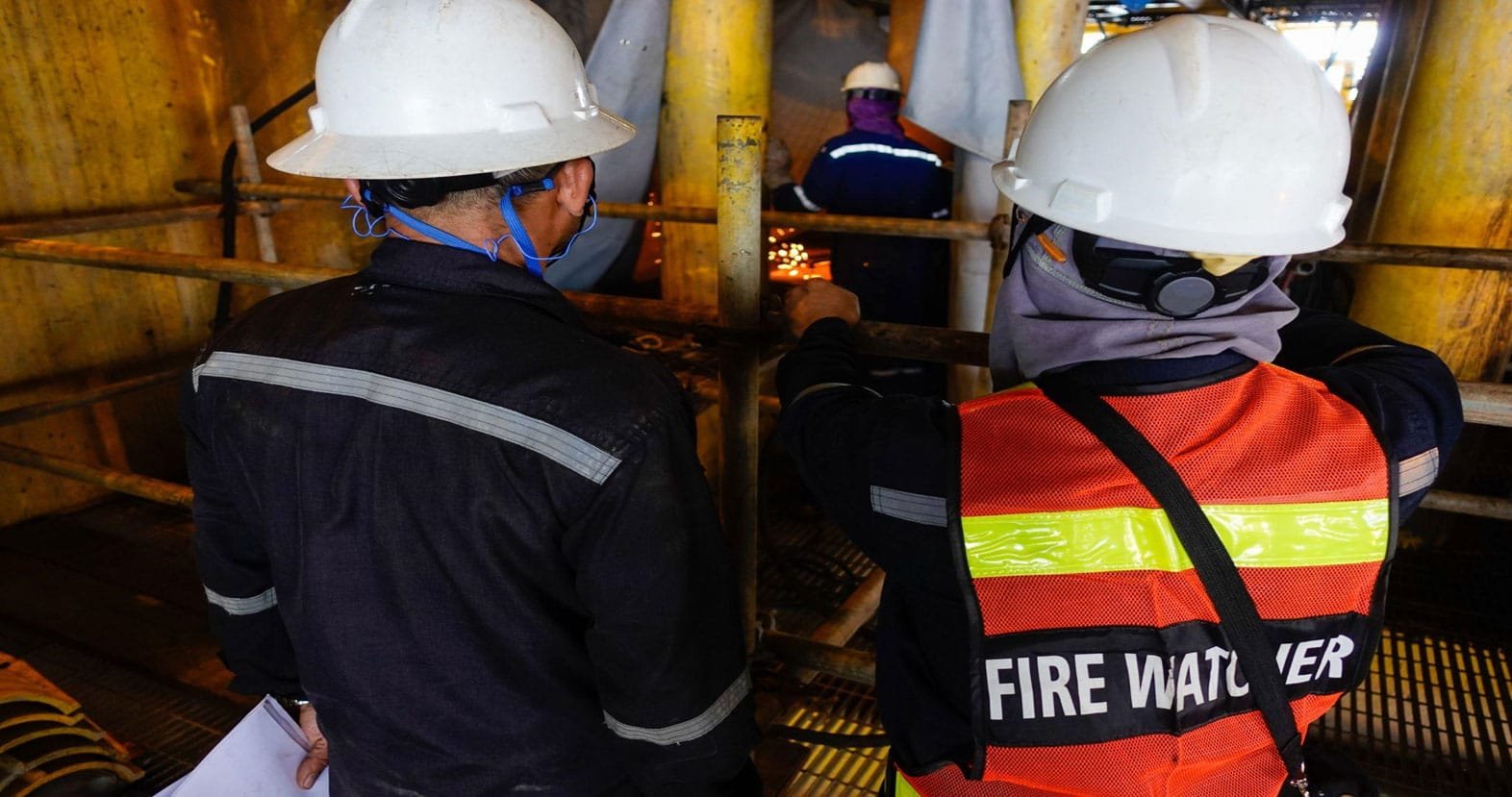
A fire watch on a construction site involves trained personnel actively monitoring the area for fire hazards, especially during high-risk activities.
Their role includes:
- Patrolling the site at regular intervals
- Monitoring areas where hot work is taking place
- Identifying potential fire risks before they escalate
- Maintaining logs for compliance and reporting
- Acting immediately in case of fire or emergency
This human oversight is particularly important when automated systems are not yet installed or fully functional.
When Is Fire Watch Required in Construction?
Fire watch is not always optional—it is often required by safety standards and local regulations.
Common scenarios include:
1. Hot Work Operations
Activities such as welding, cutting, and grinding generate sparks and heat that can easily ignite nearby materials.
Understanding welding fire watch requirements is crucial in these situations. Fire watch personnel are typically required:
- During the hot work process
- Immediately after completion (for a designated monitoring period)
- In adjacent areas where sparks may travel
2. Incomplete or Inactive Fire Protection Systems
During construction, fire alarms and sprinkler systems may not yet be operational. If the site is active or partially occupied, a fire watch may be required to compensate for the lack of protection.
3. High-Risk Materials and Storage
Construction sites often store combustible materials such as wood, insulation, and chemicals. Fire watch services help monitor these areas and reduce ignition risks.
4. Overnight and Off-Hour Monitoring
Fires don’t only happen during working hours. Many sites require fire watch services overnight or during periods when the site is unattended but still vulnerable.
The Role of Regulations and Standards
Fire watch requirements on construction sites are typically guided by standards from organizations like the National Fire Protection Association and enforced by local authorities.
Additionally, the Occupational Safety and Health Administration sets strict guidelines for workplace safety, including hot work procedures.
Contractors must ensure they:
- Obtain necessary permits for hot work
- Assign qualified fire watch personnel
- Maintain proper documentation
- Follow post-work monitoring requirements
Failure to comply can result in fines, project delays, or even site shutdowns.
What Makes a Fire Watch Effective?
Not all fire watch services are equal. An effective fire watch program on a construction site should include:
1. Trained Personnel
Guards must understand construction-specific hazards and know how to respond in emergencies.
2. Strategic Coverage
High-risk areas—such as hot work zones and material storage areas—should be prioritized.
3. Continuous Monitoring
Depending on the risk level, fire watch may require constant presence or frequent patrols.
4. Clear Communication
Fire watch guards must be able to quickly alert workers and emergency services if needed.
5. Detailed Reporting
Accurate logs are essential for compliance and can protect contractors during inspections or incidents.
Common Mistakes Contractors Should Avoid
Even experienced contractors can make critical errors in fire watch compliance.
Some of the most common mistakes include:
- Assigning fire watch duties to untrained workers
- Ending fire watch too soon after hot work
- Failing to monitor adjacent areas
- Neglecting overnight fire watch requirements
- Incomplete or missing documentation
Avoiding these pitfalls is key to maintaining both safety and compliance.
The Cost of Ignoring Fire Watch on Construction Sites
Cutting corners on fire safety can lead to serious consequences, including:
- Property damage and equipment loss
- Worker injuries or fatalities
- Legal penalties and fines
- Project delays and increased costs
- Damage to reputation and client trust
In many cases, the financial and operational impact of a fire far outweighs the cost of proper fire watch services.
Fire Watch as a Standard Practice, Not an Afterthought
On modern construction sites, fire watch should not be viewed as a temporary inconvenience—it should be integrated into the overall safety strategy.
By proactively implementing fire watch services, contractors can:
- Reduce fire-related risks
- Ensure compliance with regulations
- Protect workers and assets
- Keep projects on schedule
Final Thoughts
Construction sites are inherently unpredictable, but fire risks don’t have to be. With the right precautions in place, including a well-structured fire watch program, contractors can significantly reduce the likelihood of fire incidents.
Understanding and following welding fire watch requirements is a key part of this process, helping ensure that high-risk activities are conducted safely and responsibly.
In an industry where safety and efficiency go hand in hand, fire watch services are not just a requirement—they are a critical layer of protection that no construction project should overlook.