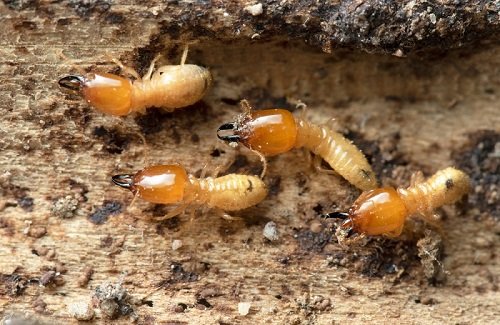
Termites are often called “silent destroyers,” and for good reason. They can quietly eat away at the structure of your home for months—or even years—before you notice any visible damage. In regions like the Gold Coast, where warm temperatures and high humidity create ideal conditions for termite activity, prevention is not just recommended—it’s essential.
This guide will walk you through practical, effective pest control tips to help protect your Gold Coast home from costly termite damage.
Why Termite Prevention Matters
Gold Coast homes are particularly vulnerable due to the subtropical climate. Termites thrive in warm, moist environments and can remain active throughout the year.
What makes them especially dangerous is their ability to stay hidden. By the time homeowners notice signs like hollow wood or mud tubes, significant structural damage may already have occurred.
Even more concerning—termite damage is often not covered by standard home insurance, making prevention the most cost-effective strategy.
Common Signs of Termite Activity
Before diving into prevention, it’s important to recognize early warning signs:
- Mud tubes along walls or foundations
Hollow-sounding timber
Discarded wings near windows
Tight-fitting doors or windows
Damaged skirting boards
Early detection can significantly reduce repair costs and limit damage.
1. Control Moisture Around Your Home
Moisture is one of the biggest attractants for termites. Subterranean termites, the most common type in the Gold Coast, rely on moisture to survive.
Tips to reduce moisture:
Fix leaking taps, pipes, and air conditioners
Ensure proper drainage around your home’s foundation
Keep gutters clean and functional
Ventilate subfloors and roof spaces
Keeping your home dry makes it far less appealing to termites.
2. Eliminate Wood-to-Ground Contact
Termites typically enter homes through direct contact between soil and wood.
What you can do:
Keep wooden structures elevated above ground
Avoid placing firewood against exterior walls
Use termite-resistant or treated timber
Remove tree stumps and timber debris
Even small contact points can act as entryways, so minimizing these risks is crucial.
3. Reduce Food Sources
Termites feed on cellulose materials such as wood, paper, and cardboard.
Prevention strategies:
Store firewood away from your home and off the ground
Remove dead trees, branches, and wood piles
Avoid using untreated wood mulch near the foundation
Keep storage areas clean and clutter-free
Reducing available food sources helps discourage termite colonies from settling nearby.
4. Seal Entry Points
Termites can enter your home through even the smallest cracks and gaps.
Key actions:
Seal cracks in walls, foundations, and around pipes
Repair damaged vents and screens
Use caulking around utility entry points
Blocking access points is a simple yet highly effective defense strategy.
5. Maintain Clear Inspection Zones
In Queensland, homes are often designed with visible inspection zones around the perimeter. These areas allow homeowners and professionals to detect termite activity early.
Best practices:
Keep garden beds and mulch away from slab edges
Avoid covering weep holes or foundation gaps
Ensure landscaping does not block inspection areas
Clear visibility can make the difference between early detection and major damage.
6. Schedule Regular Termite Inspections
Even with the best preventive measures, termites can still find their way into your home. That’s why regular inspections are critical.
Recommendations:
Schedule professional inspections at least once a year
Increase frequency in high-risk areas
Monitor your home for changes between inspections
Routine inspections help catch infestations early, before they escalate into serious structural issues.
7. Install Termite Barriers and Treatments
Preventive treatments provide an additional layer of protection.
Common options:
Chemical soil treatments around the foundation
Physical barriers like termite mesh
Baiting systems to eliminate colonies
In many cases, these systems are installed during construction, but they can also be added to existing homes.
8. Keep Outdoor Areas Well-Maintained
Your yard plays a major role in termite prevention. Poorly maintained outdoor spaces can create ideal breeding grounds.
Maintenance tips:
Trim plants and trees near the house
Avoid overwatering gardens
Keep soil levels below structural wood
Remove standing water
A clean, well-maintained yard reduces the likelihood of termite infestations.
9. Use Eco-Friendly Pest Control Solutions
Many homeowners are now turning to environmentally friendly pest control Gold Coast methods. These options are safer for families, pets, and the environment.
Examples include:
Baiting systems that target termite colonies
Natural repellents like essential oils
Biological control methods
Eco-friendly approaches can be effective when combined with traditional prevention strategies.
10. Act Quickly if You Suspect Termites
If you notice any signs of termite activity, don’t delay. Termites can cause significant structural damage in a short period—sometimes within months.
Immediate steps:
Avoid disturbing the termites (this can spread them)
Contact a licensed pest control professional
Arrange for inspection and treatment
Prompt action can save thousands in repair costs and prevent further damage.
Final Thoughts
Preventing termite damage in Gold Coast homes requires a proactive and consistent approach. From controlling moisture and eliminating food sources to scheduling regular inspections and installing protective barriers, every step plays a role in safeguarding your property.
The key takeaway is simple: prevention is far more affordable and effective than repair. By staying vigilant and implementing these pest control tips, you can protect your home from one of the most destructive pests in Australia.
A well-maintained home, combined with professional support, ensures long-term peace of mind—and keeps termites where they belong: far away from your property.
Tags : Termite Inspections