Is Your Building Suddenly Without Heat? Here's Why Boiler Rental in NYC Could Save You Today
By Temporary Boiler 08-12-2025 54
There's a particular kind of panic that sets in when a building loses heat in the middle of January. Tenants start calling. Then texting. Then knocking on doors. Somebody always threatens to call the city, and honestly, who can blame them? When it's 22 degrees outside and barely warmer inside, diplomacy goes out the window pretty fast.
The boiler's dead. Not "making weird noises" dead or "needs a part" dead. Actually, completely done. And now there's a choice to make, except it doesn't really feel like much of a choice at all.

The Problem With Waiting for a New Boiler
Getting a new boiler installed isn't like ordering a pizza. Permits need filing. Inspections get scheduled. Contractors have waiting lists that stretch for weeks, sometimes longer if it's peak season. Meanwhile, the building sits cold.
New York doesn't mess around with heat requirements, either. October through May, buildings must maintain 68 degrees during the day when it's cold outside. Drop below that and violations start stacking up. Each day without proper heat can mean fines. Each complaint from a tenant creates another paper trail.
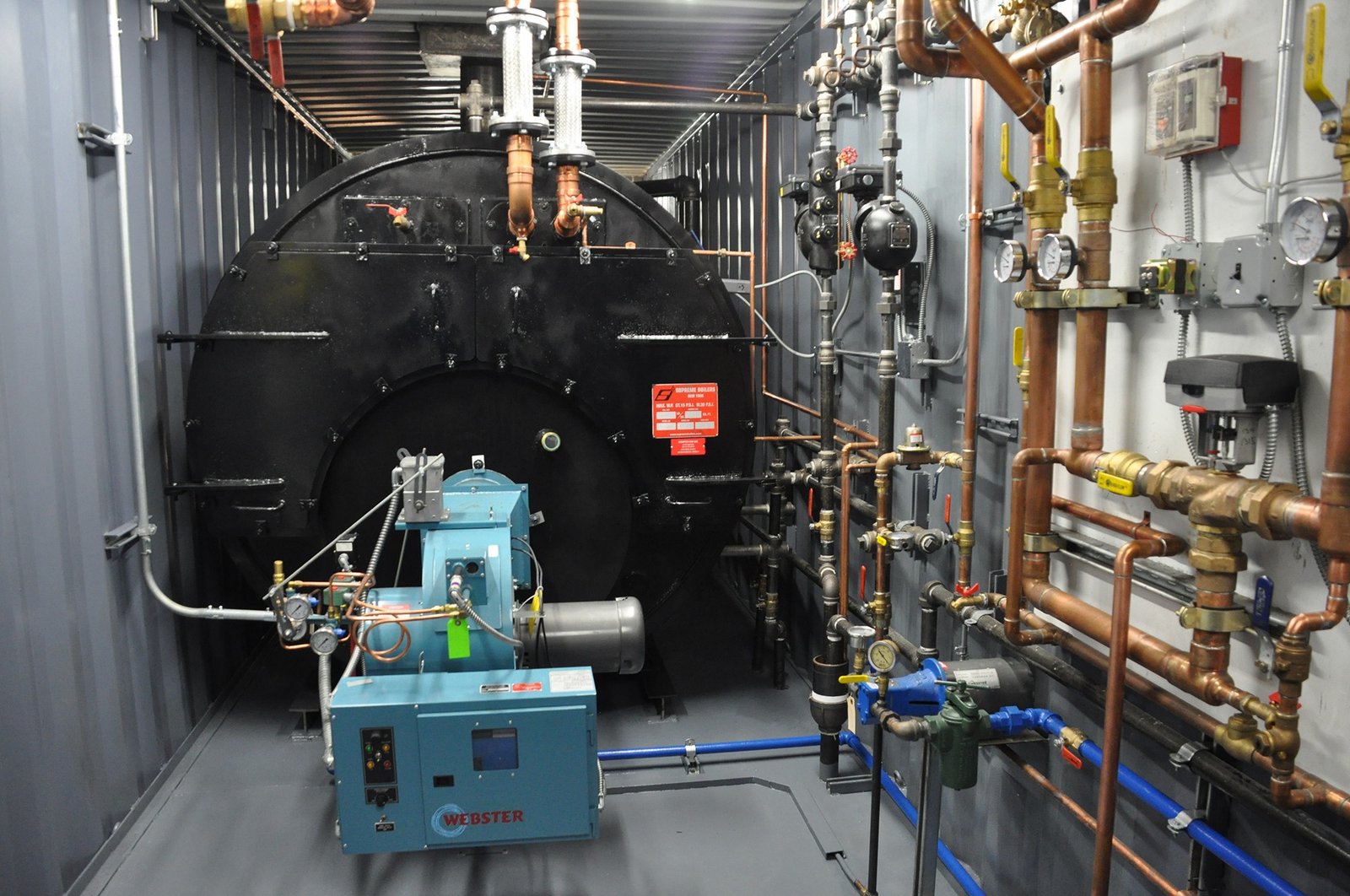
This is exactly where boiler rental nyc services become worth their weight in gold. A temporary system gets delivered, connected, and running within a couple of days. Not ideal, sure. But far better than the alternative.
What Actually Happens During a Rental Setup
The rental units show up on trucks, sometimes small enough to fit in a loading zone, sometimes needing a full street closure. Depends on the building size and heating needs.
Technicians connect these temporary systems to whatever heating infrastructure already exists. Radiators, baseboards, forced air, doesn't really matter. The rental unit takes over the job the dead boiler used to do. Heat starts flowing again. Tenants stop panicking.
Takes maybe 24 to 48 hours from the initial call to actually having warmth back in apartments. Compare that to the month-plus timeline for permanent replacement and the value becomes crystal clear.
Why This Matters More in NYC Than Almost Anywhere
Walk through most New York neighborhoods and you'll see buildings that have been standing since before World War II. Beautiful architecture, sure. But the heating systems inside? Often original or close to it.
Old boilers fail. That's just reality. And when they do, building owners face pressure from multiple directions at once. Tenants demanding action. City regulations imposing deadlines. Weather refusing to cooperate. It creates a situation where fast solutions matter more than perfect ones.
Other cities don't quite have this same combination of aging infrastructure, strict housing codes, and brutal winter weather. A broken heater in Atlanta is annoying. A broken boiler in the Bronx during February is legitimately dangerous.
The Money Question Everyone Asks
Renting equipment costs money. Obviously. So why not just eat the fines and rush the permanent replacement?
Because the math doesn't work that way. Heat violations can run several hundred dollars per day. Multiply that by however many units are affected, then multiply again by however many days it takes to get a new boiler installed. The numbers get ugly fast.
Then there's the less obvious costs. Frozen pipes that burst. Water damage spreading through multiple floors. Tenants breaking leases early. Emergency hotel stays that the building has to cover. Legal fees if someone decides to sue.
Suddenly that rental fee seems pretty reasonable. It's not about avoiding costs, it's about choosing which costs make sense.
What Happens With Really Old, Weird Heating Systems
Pre-war buildings often have heating setups that make modern HVAC techs scratch their heads. Steam systems with pipes running through walls in seemingly random patterns. Gravity-fed hot water that operates on principles most current trade schools don't even teach anymore.
Rental providers working in New York have seen it all. They've dealt with every bizarre configuration imaginable. Sometimes connections require custom fabrication. Sometimes additional equipment gets needed to make everything play nice together.
Does it complicate things? Absolutely. But it still beats leaving a building cold while trying to source historically accurate replacement parts for a boiler that stopped being manufactured during the Nixon administration.
How Long Do Buildings Actually Keep Rental Units
Some buildings swap in a rental unit and have their permanent replacement installed within three weeks. Everything goes smooth, no delays, fairy tale ending.
Other buildings keep rentals running for months. Permit issues, contractor scheduling, budget approval processes, co-op board meetings that move at glacial speed, all of it can stretch timelines. The beauty of boiler rentals is the flexibility. Monthly agreements that extend as long as needed. No penalty for taking extra time to get the permanent solution right.
And honestly? Sometimes it's worth taking that extra time. Rushing a permanent boiler installation because tenants are freezing leads to mistakes. Better to keep them warm with a rental while doing the main job properly.

One Thing Nobody Talks About Enough
Most boiler failures give warning signs. Performance drops off. Strange sounds start happening. Fuel consumption creeps up without explanation.
Smart building managers catch these signs and start planning. They research contractors, get quotes, maybe even identify rental companies just in case. When the boiler finally dies, they're ready.
Buildings that struggle the most are the ones where the boiler failure comes as a complete surprise. Suddenly scrambling to find solutions, comparing providers in a panic, trying to negotiate pricing while tenants are already calling 311.
Having a plan before the crisis hits makes everything easier. Knowing which companies provide reliable rental equipment, understanding typical costs, having contact information ready, all of it matters when speed becomes critical.
The building that gets heat restored in 36 hours versus the one that takes a week? Usually comes down to preparation. Or luck. Preferably both.