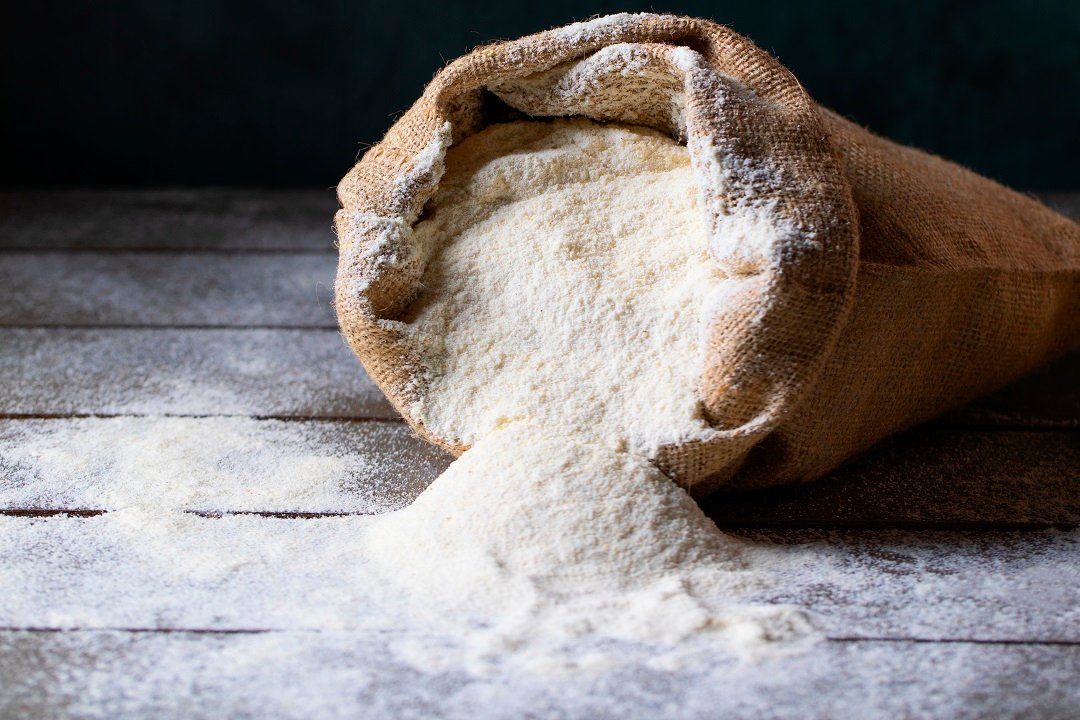
Yam flour is a popular staple food in many parts of the world, especially in Africa, where it is widely used to prepare pounded yam and other traditional dishes. Its versatility, nutritional value, and unique taste make it a favorite choice among families and food lovers. However, with the growing demand for yam flour, there is also a rise in low-quality or adulterated products on the market. Choosing the right yam flour is essential not only for taste but also for health benefits and overall satisfaction.
In this article, we will guide you step by step on how to identify the best quality yam flour in the market so you can make informed decisions when buying.
1. Understanding What Yam Flour Is
Yam flour is made from dried yams that are peeled, sliced, cleaned, and milled into fine powder. It is often used for preparing dishes like amala and pounded yam, depending on the region. High-quality yam flour should be pure, smooth, and free of additives or chemicals. The taste, color, and texture depend heavily on the type of yam used and how it was processed.
2. Importance of Choosing Quality Yam Flour
The quality of yam flour you buy directly affects:
Taste: Poor-quality yam flour often tastes bitter or sour.
Health: Low-grade flour may contain preservatives, contaminants, or excessive starch.
Texture: Good yam flour produces smooth, lump-free meals.
Shelf Life: Properly processed yam flour lasts longer without going bad quickly.
That’s why learning how to spot the best yam flour is crucial for both households and restaurants.
3. Check the Color of the Yam Flour
One of the first things you notice when buying yam flour is its color.
High-quality yam flour: It usually has an off-white to cream color.
Low-quality yam flour: It may appear very dull, grayish, or brown.
A change in color often indicates poor drying methods, contamination, or the use of old yams in production. Bright whiteness may also mean artificial whitening agents were added, which should be avoided.
4. Pay Attention to the Smell
Smell is another strong indicator of freshness and quality.
Good yam flour should have a natural, slightly earthy smell.
Poor-quality yam flour often has a sour or moldy odor, which could mean it was processed from rotten or poorly stored yams.
If the flour has any chemical-like scent, it might have been mixed with additives.
5. Check for Texture and Smoothness
Texture is one of the most important aspects of yam flour.
Best yam flour: Smooth and fine in texture, without lumps or visible particles.
Low-quality flour: May contain coarse particles, lumps, or even foreign objects like sand or stones.
When cooked, premium yam flour should result in smooth, stretchy, and lump-free meals.
6. Look at Packaging Quality
Packaging plays a huge role in protecting the freshness of yam flour. When in the market, pay attention to:
Sealed packaging: Ensure the flour is sealed properly to prevent contamination.
Clear labeling: Good brands provide clear information about ingredients, processing date, and expiration date.
Storage instructions: High-quality brands usually mention how to store the flour for the best results.
If the packaging looks tampered with, avoid buying it.
7. Consider the Brand Reputation
With many brands competing, reputation is often the easiest guide. Established brands usually maintain strict quality control to protect their image. Before buying, you can:
Check online reviews.
Ask for recommendations from friends or family.
Stick to well-known and trusted suppliers.
A brand with positive customer feedback is more likely to provide authentic yam flour.
8. Test with Small Quantities
If you’re unsure about a new brand, buy a small quantity first. Prepare a meal with it and check for:
Taste (should not be bitter or sour).
Texture (smooth and lump-free).
Aroma (natural and fresh).
This testing method saves money and helps you find the right flour without committing to large amounts.
9. Price vs. Quality
Price often reflects quality, but not always. Extremely cheap yam flour might mean:
Adulteration with cheaper starches.
Use of low-grade yams.
Poor processing methods.
On the other hand, very high prices do not always guarantee the best quality either. Look for balance—affordable yet reliable brands.
10. Avoid Adulterated Yam Flour
Adulteration is a big issue in the market. Some producers mix yam flour with cassava flour, potato starch, or even chemical whiteners. To avoid this:
Always buy from trusted stores.
Taste test the product.
Check labeling for suspicious ingredients.
Pure yam flour should not contain any additional flour types or additives.
11. Storage Matters
Even the best yam flour can go bad if not stored properly. When purchasing, ensure the seller has stored it in:
A cool, dry place.
Airtight containers.
Away from direct sunlight or moisture.
When you take it home, store it in an airtight jar or resealable bag to keep it fresh.
12. Health and Nutritional Value
High-quality yam flour is rich in:
Carbohydrates: Provides energy.
Fiber: Aids digestion.
Potassium and Magnesium: Important for heart and muscle health.
If you notice yam flour that feels too starchy or watery after cooking, it may not contain the proper nutrient balance.
13. Supporting Local Farmers and Producers
When possible, buy yam flour from reputable local farmers or markets. They often use natural processing methods, ensuring freshness and authenticity. Supporting local producers not only guarantees quality but also boosts the economy.
Conclusion
Identifying the best quality yam flour in the market doesn’t have to be difficult. By paying attention to color, smell, texture, packaging, brand reputation, and storage conditions, you can make better purchasing decisions. Remember, good yam flour should be natural, free of additives, smooth in texture, and rich in taste.
Choosing wisely ensures you enjoy delicious, lump-free, and nutritious meals every time. Whether you are cooking for your family or running a restaurant, always prioritize quality over cost, because your health and satisfaction depend on it.