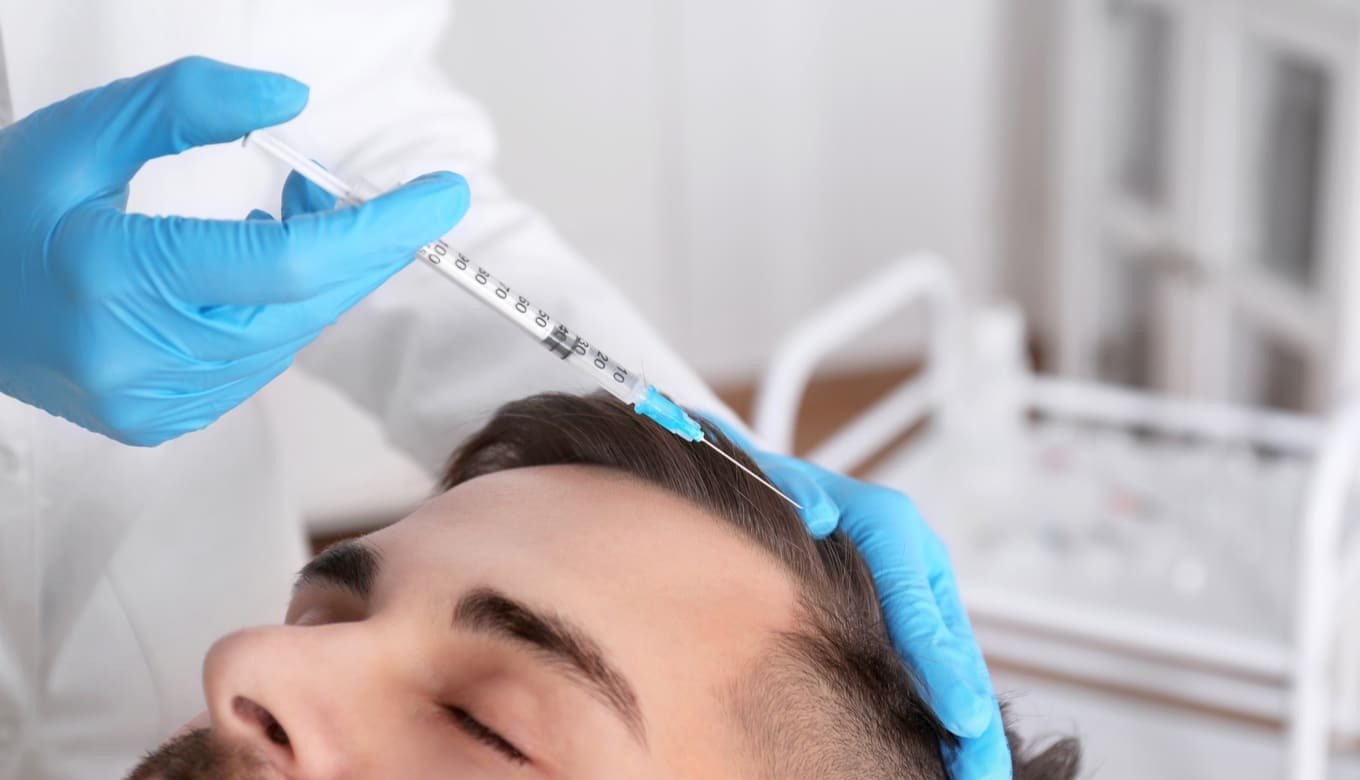
Regenerative science has transformed the way modern aesthetics approaches hair loss, shifting the focus from simple restoration to true biological renewal. Instead of merely masking thinning areas, today’s advanced methods aim to reactivate dormant follicles and improve scalp health at a cellular level. This shift has led to growing interest in advanced biological approaches such as Stem Cell Hair Transplant in Dubai, which are designed to stimulate natural regrowth mechanisms rather than relying solely on conventional grafting techniques. By leveraging the body’s own regenerative potential, these treatments are redefining how follicle revitalization is understood and achieved.
The Biological Foundation of Follicle Regeneration
At the core of regenerative hair treatments is the concept of cellular repair and renewal. Hair follicles are dynamic mini-organs that rely on a constant supply of nutrients, oxygen, and signaling molecules to remain active. When these signals weaken due to genetics, hormonal changes, or environmental stress, follicles gradually miniaturize and enter a dormant state.
Regenerative therapies work by reintroducing or activating biological factors that support follicular health. These may include stem-cell-derived growth factors, extracellular vesicles, or platelet-rich components that communicate directly with scalp tissues. The goal is not simply to add new hair but to awaken existing follicles that still have regenerative potential.
How Cellular Signaling Reactivates Dormant Follicles
One of the most important mechanisms in follicle revitalization is cellular signaling. Hair growth cycles are regulated by complex interactions between dermal papilla cells, stem cells in the follicle bulge, and surrounding scalp tissue.
When regenerative treatments are applied, they help restore disrupted signaling pathways. Growth factors such as VEGF, PDGF, and IGF stimulate blood vessel formation and cellular proliferation. This improved microenvironment encourages follicles to shift from the resting (telogen) phase back into the active (anagen) phase.
Over time, consistent stimulation can result in thicker strands, improved density, and more uniform hair growth patterns. The process is gradual, reflecting the natural rhythm of biological regeneration rather than artificial acceleration.
The Role of Scalp Microenvironment in Hair Vitality
A healthy scalp environment is essential for sustained follicle activity. In many cases of hair thinning, the underlying issue is not only follicular damage but also inflammation, reduced circulation, and accumulation of cellular waste.
Regenerative treatments help improve this environment by enhancing microcirculation and reducing inflammatory markers. Improved oxygen delivery allows follicular cells to function more efficiently, while reduced inflammation minimizes stress on the hair growth cycle.
Additionally, extracellular matrix remodeling plays a key role in restoring scalp elasticity and structural support. When the scalp environment becomes more balanced, follicles are better able to maintain consistent growth cycles.
Stem Cell-Derived Factors and Tissue Repair
Stem cell science has introduced a new dimension to hair restoration strategies. Rather than transplanting large quantities of follicles alone, modern regenerative approaches focus on bioactive compounds derived from stem cells.
These compounds include cytokines and exosomes, which act as molecular messengers that instruct cells to repair and regenerate. They help activate dormant follicular stem cells and support the regeneration of damaged tissue structures surrounding the follicle.
This biological communication enhances the scalp’s ability to recover from miniaturization and strengthens the anchoring structures of existing hair. Over time, this contributes to improved density and resilience of hair growth.
Integration of Regenerative Techniques with Hair Restoration
Regenerative treatments are often used in combination with traditional restoration strategies to enhance outcomes. When follicles are transplanted, their survival and growth depend heavily on the condition of the recipient scalp.
By improving vascularization and cellular activity before and after transplantation, regenerative support increases graft survival rates and accelerates recovery. This integrated approach ensures that both existing and newly placed follicles benefit from an optimized biological environment.
Such synergy between surgical precision and biological enhancement represents a more holistic approach to hair restoration, where the focus is not only on placement but also on long-term follicular health.
Long-Term Follicle Sustainability and Growth Cycles
Hair growth is governed by cycles that include growth, regression, and rest phases. Regenerative therapies aim to extend the active growth phase while shortening dormancy periods.
Sustained biological stimulation helps follicles maintain productivity over longer periods. This can lead to more stable density and reduced shedding over time. However, outcomes depend on individual biological responsiveness, including age, genetic predisposition, and overall scalp health.
Consistency in treatment and proper maintenance of scalp health are essential for long-term benefits. The regenerative approach is not a one-time intervention but part of an ongoing biological optimization process.
Future Perspectives in Hair Regeneration Science
The future of hair restoration is moving toward increasingly personalized and cell-based therapies. Advances in regenerative medicine are enabling more targeted activation of follicular pathways, potentially allowing treatments to be tailored to individual biological profiles.
Research is also exploring how gene expression modulation and advanced biomaterials can further enhance follicle regeneration. These innovations aim to create more predictable and durable results, minimizing variability in outcomes.
As science continues to evolve, regenerative hair solutions are expected to become more refined, combining cellular therapy, biomolecular engineering, and precision scalp diagnostics.
Regenerative approaches continue to reshape expectations in hair restoration, offering a biologically intelligent path toward improved follicle function and sustained growth. With continued advancements, methods such as Stem Cell Hair Transplant are increasingly seen as part of a broader shift toward science-driven, natural hair revitalization that prioritizes long-term follicular health and scalp regeneration.