7 Money-Saving Habits That Help Extend the Life of Your Plumbing System
By Michelle Quill 06-08-2026 62
Introduction
Your plumbing system is one of the most important yet often overlooked parts of your home. From delivering clean water to removing waste efficiently, it works behind the scenes every day to support your household. Unfortunately, many homeowners only pay attention to their plumbing when something goes wrong. Leaking pipes, clogged drains, and water heater failures can lead to expensive repairs that strain any budget.
The good news is that a few simple habits can significantly extend the lifespan of your plumbing system while reducing maintenance costs. By adopting preventative practices and being mindful of how your plumbing is used, you can avoid common issues and protect your investment for years to come. Here are seven money-saving habits that can help keep your plumbing system running smoothly.
Be Mindful of What Goes Down the Drain
One of the most effective ways to protect your plumbing system is to pay attention to what enters your drains. Kitchen sinks are particularly vulnerable to clogs caused by grease, cooking oils, coffee grounds, and food scraps. Over time, these materials accumulate inside pipes and restrict water flow.
In bathrooms, hair, soap residue, and hygiene products commonly contribute to blockages. Installing drain screens can help catch debris before it enters the plumbing system.
Making a habit of disposing of grease in a separate container and throwing food waste into the trash rather than the sink can prevent costly drain-cleaning services. Small daily actions like these can significantly reduce wear and tear on your pipes.
Fix Minor Leaks Promptly
A dripping faucet or a small pipe leak may seem insignificant, but even minor leaks can waste a surprising amount of water and lead to larger plumbing problems over time. Continuous moisture can damage cabinets, walls, flooring, and structural components of your home.
Leaks also place unnecessary strain on the plumbing system. Ignoring them often allows damage to worsen until repairs become more expensive and complex.
By regularly checking under sinks, around appliances, and near exposed pipes, homeowners can catch issues early. Addressing small leaks promptly is typically far less costly than repairing extensive water damage later.
Practice Water Conservation
Reducing water consumption benefits both your utility bills and your plumbing system. Excessive water usage can accelerate wear on pipes, fixtures, and water-heating equipment.
Simple conservation efforts such as turning off faucets when not in use, choosing water-efficient fixtures, and running full loads in dishwashers and washing machines can make a meaningful difference. Low-flow showerheads and modern faucets are designed to deliver excellent performance while using less water.
By reducing the volume of water moving through your system each day, you help minimize long-term stress on plumbing components and extend their operational lifespan.
Schedule Routine Plumbing Inspections
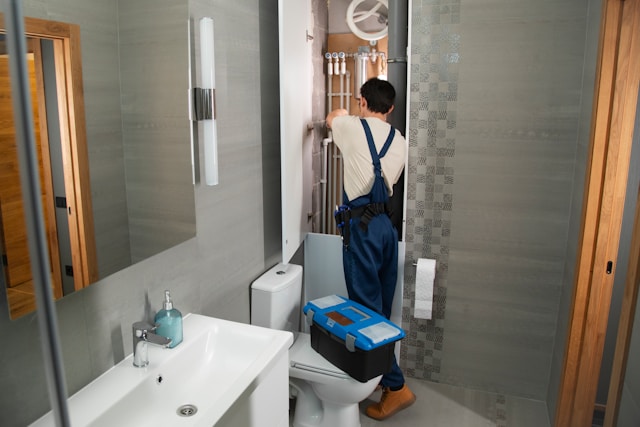
Preventative maintenance is often less expensive than emergency repairs. Periodic plumbing inspections allow professionals to identify hidden problems before they become major issues.
Small pipe corrosion, subtle leaks, aging fixtures, and water pressure irregularities can often go unnoticed by homeowners. During an inspection, a qualified professional can evaluate the condition of your plumbing system and recommend necessary maintenance.
For example, a trusted plumber in Long Beach may detect early warning signs that help prevent costly damage and unexpected breakdowns. Investing in routine inspections often leads to significant long-term savings by reducing the likelihood of major repairs.
Protect Your Pipes from Extreme Temperatures
Temperature fluctuations can have a considerable impact on plumbing systems. In colder conditions, pipes are vulnerable to freezing and bursting, which can result in extensive water damage and expensive restoration costs.
Insulating exposed pipes in garages, crawl spaces, basements, and exterior walls provides valuable protection. Homeowners should also disconnect garden hoses when they are not needed and ensure outdoor plumbing fixtures are properly maintained.
Even in milder climates, taking preventive measures against temperature-related damage can help preserve pipe integrity and reduce repair expenses over time.
Maintain Your Water Heater Properly
Your water heater is one of the hardest-working appliances in your home. Without proper maintenance, sediment can accumulate inside the tank, reducing efficiency and increasing strain on the unit.
Flushing the water heater periodically helps remove sediment buildup and improves overall performance. It is also important to monitor the temperature setting and inspect the pressure relief valve according to the manufacturer's recommendations.
Routine maintenance allows the system to operate more efficiently, reducing energy costs while extending the lifespan of the equipment. Replacing a water heater prematurely can be a significant expense, making preventative care a worthwhile investment.
Avoid Using Chemical Drain Cleaners
When faced with a slow or clogged drain, many homeowners reach for chemical drain cleaners. While these products may offer a temporary solution, repeated use can damage pipes over time, especially in older plumbing systems.
Harsh chemicals can corrode pipe interiors and weaken plumbing components, leading to leaks and costly repairs. Instead, consider safer alternatives such as drain snakes, plungers, or enzyme-based cleaning products designed for regular maintenance.
Practicing preventive drain care and addressing minor blockages early can help keep plumbing lines clear without introducing potentially harmful substances into the system.
Conclusion
Extending the life of your plumbing system does not require major investments or complicated maintenance routines. In many cases, the most effective strategies involve simple habits practiced consistently over time. Being careful about what goes down the drain, fixing leaks promptly, conserving water, scheduling inspections, protecting pipes, maintaining your water heater, and avoiding harsh drain cleaners all contribute to a healthier plumbing system.
These proactive measures not only help prevent costly repairs but also improve efficiency and reliability throughout your home. By making plumbing care a regular part of home maintenance, homeowners can enjoy long-term savings while keeping their systems functioning at their best for years to come.
Tags : .....