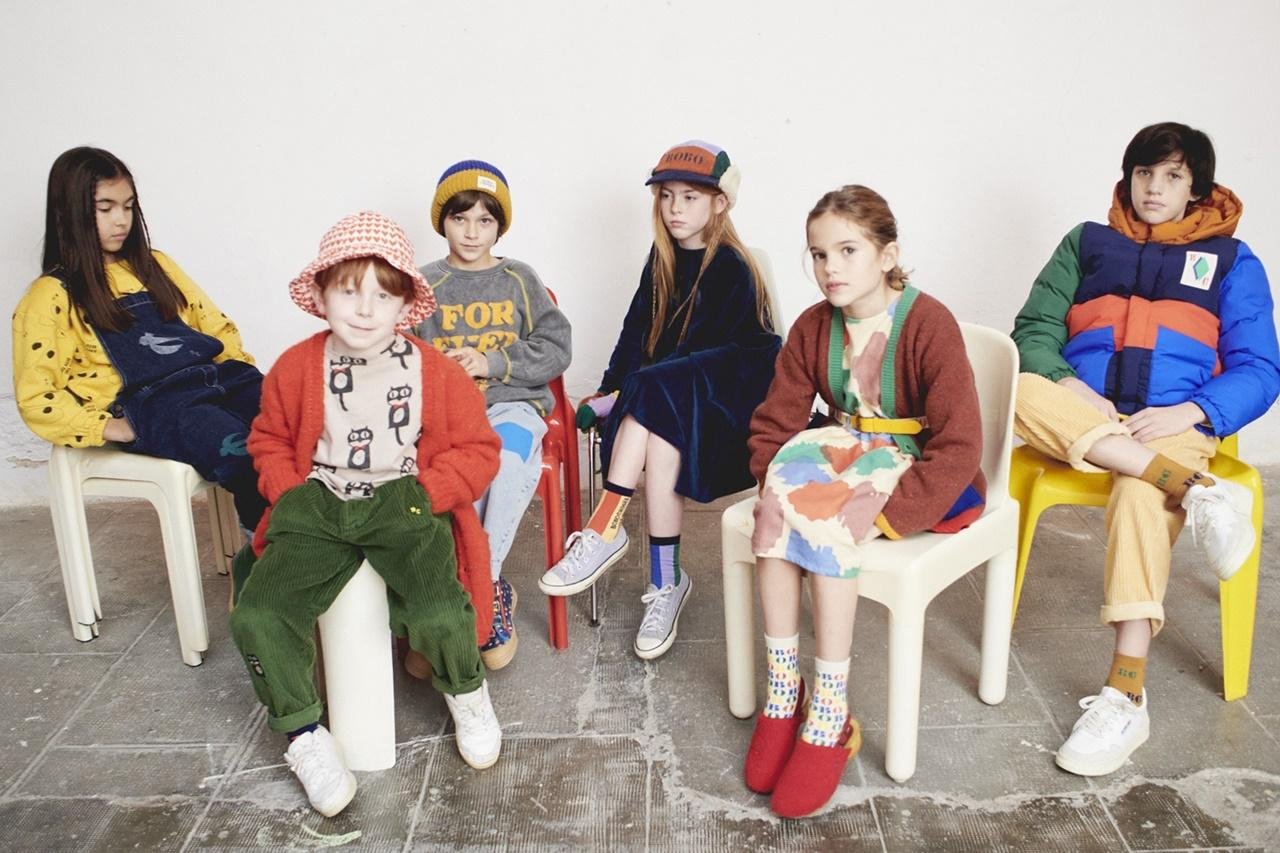
Girls’ clothing is one of the most diverse categories in the children’s fashion market. Parents look for comfortable and attractive outfits, while retailers and wholesalers need collections that offer variety, quality, practical pricing, and dependable supply. Finding the right source can make a significant difference to the success of a clothing business.
Whether you operate a boutique, online store, children's clothing shop, or wholesale business, understanding what makes a good girls’ dress can help you select products that customers will appreciate and purchase again.
Understanding What Customers Want
Parents usually consider several factors before buying clothing for their daughters. Appearance is important, but it is rarely the only consideration. Comfort, fabric quality, fit, durability, price, and ease of maintenance can all influence the purchasing decision.
Children also have their own preferences. Some may enjoy colourful dresses with playful prints, while others may prefer simple designs, pastel colours, or outfits inspired by current fashion trends.
Retailers should therefore try to maintain a varied collection rather than depending on only one style.
Fabric Quality Comes First
The fabric used in a dress can affect comfort, appearance, durability, and maintenance. Since children often wear their clothes for several hours and may be active throughout the day, comfortable materials are particularly important.
Cotton is a popular option for children's clothing because it can provide a soft and breathable feel. Depending on the design and season, manufacturers may also use blended fabrics and other suitable materials.
For summer collections, lightweight fabrics can be useful. For festive or winter collections, slightly heavier or decorative materials may be appropriate.
Retailers should understand the fabric composition before placing bulk orders. This information can also help them explain the product more accurately to customers.
Choose Designs for Different Occasions
Girls need different types of dresses for different situations. Everyday clothing should generally focus on comfort and easy maintenance, while special occasion dresses can include more decorative details.
Birthday parties, weddings, festivals, family gatherings, school functions, and celebrations may require more stylish outfits.
A varied collection can include casual dresses, partywear, festive outfits, printed dresses, frocks, layered designs, and comfortable everyday styles.
Offering multiple options allows customers to find something suitable for both ordinary days and special moments.
Comfort Should Never Be Ignored
A dress can look beautiful in a photograph but still be uncomfortable to wear. Children need freedom of movement, especially when they are playing or participating in activities.
Retailers should pay attention to the design of sleeves, necklines, waist areas, seams, and other parts that may affect comfort.
Dresses should allow children to sit, walk, run, and play without unnecessary restriction.
Comfort can also influence repeat purchases. Parents who find that their child enjoys wearing clothing from a particular supplier or brand may be more likely to return for additional products.
Pay Attention to Stitching and Finishing
The quality of stitching can tell you a lot about a garment. Neat seams, properly finished edges, secure decorative elements, and consistent stitching can improve both appearance and durability.
Before placing a large order, retailers should examine samples carefully. Check the inside and outside of the garment for loose threads, uneven seams, weak stitching, or poorly attached embellishments.
Good finishing is particularly important for occasionwear because customers often expect these garments to look polished.
Consistent manufacturing standards can help retailers avoid complaints and product returns.
Selecting the Right Size Range
Children grow at different rates, so offering a useful range of sizes is important for retailers.
A collection that includes only a few sizes may limit the number of customers who can purchase the products. Businesses should understand which age groups they serve and select their inventory accordingly.
Size charts can help retailers and customers make better choices. Measurements such as chest, waist, shoulder width, and dress length may be useful depending on the product.
Accurate sizing can also reduce exchanges and returns for online businesses.
Why Product Variety Matters
Customers often visit children's clothing stores looking for different styles within the same category. Some may want a simple everyday dress, while others may be searching for a birthday outfit.
Retailers can create a more attractive collection by combining different colours, prints, fabrics, lengths, and designs.
Seasonal variety can also help. Lightweight dresses may be more popular during warmer months, while festive and layered styles may receive greater attention during celebrations.
A balanced product range can make it easier for a retailer to serve different customer preferences.
Buying in Bulk for a Retail Business
Businesses purchasing children's clothing in larger quantities need to consider more than the individual garment.
Wholesale pricing, minimum order quantities, production capacity, delivery schedules, packaging, and product availability should all be discussed before an order is confirmed.
When sourcing wholesale girls dresses, retailers should also ask whether the supplier can maintain consistent quality across repeated orders.
This is particularly important when a specific design becomes popular. A retailer may want to reorder the same product, so dependable production can become a valuable advantage.
Request Samples Before a Large Order
Samples can help businesses make more informed purchasing decisions. Product photographs may show the general appearance of a dress, but they cannot always communicate fabric feel, stitching quality, measurements, or finishing.
A sample allows a retailer to check the garment in detail.
Before approving a larger order, examine the fabric, colour, size, stitching, buttons, zippers, decorative elements, and overall construction.
It can also be useful to wash the sample according to the recommended care instructions. This provides an indication of how the garment may perform after regular use.
Consider Minimum Order Quantities
Minimum order quantity is an important consideration, particularly for small businesses and new retailers.
A large minimum order may require significant investment and can create inventory challenges if the products do not sell quickly.
Businesses should therefore understand the supplier's minimum quantity before planning their collection. Smaller businesses may benefit from suppliers that offer flexible production or manageable order quantities.
As sales grow, retailers can gradually increase their purchasing volume.
Pricing Should Reflect Overall Value
Low pricing can be attractive, but it should not be the only factor considered when selecting a supplier.
A very inexpensive dress may not provide good value if the fabric is poor, stitching is weak, or the garment loses its appearance after a few washes.
Instead, compare the overall product value. Consider fabric, construction, design, durability, finishing, packaging, and delivery alongside the price.
A well-made garment at a reasonable wholesale price can provide better business value than a cheaper product with quality issues.
Building a Relationship With a Manufacturer
A long-term relationship with a reliable manufacturer can simplify sourcing for a clothing business.
Once a manufacturer understands a retailer's preferred styles, sizes, fabrics, and quality standards, future orders may become easier to manage.
Manufacturers may also support customization. Depending on their capabilities, businesses may be able to request specific colours, prints, labels, measurements, packaging, or other product details.
This can be especially useful for retailers that want to develop their own identity rather than selling completely generic products.
Supporting Growing Clothing Brands
New children's clothing businesses often begin with a small collection. They may want to test different designs before investing in large quantities.
A flexible manufacturing partner can help businesses start with manageable production requirements and expand gradually as demand increases.
Over time, consistent manufacturing can help a growing brand maintain its product quality while introducing new designs.
Reliable supply is also important during seasonal periods when demand for children's clothing can increase.
Final Thoughts
Selecting the right girls' dresses for a clothing business requires careful consideration. Attractive designs can bring customers' attention, but comfort, fabric quality, stitching, sizing, durability, and pricing determine whether the products deliver lasting value.
Retailers should examine samples, understand minimum order quantities, compare pricing, and discuss production and delivery expectations before placing large orders.
A diverse collection can help businesses serve customers looking for everyday dresses, partywear, festive clothing, and special occasion outfits.
Most importantly, businesses should look for consistent quality and dependable supply. A reliable manufacturing relationship can make it easier to maintain inventory, introduce new products, and build customer confidence.
With thoughtful sourcing and a clear understanding of customer preferences, retailers can create a girls' clothing collection that combines attractive designs with comfort, quality, and practical value.