Customer Management System: What Should You Track After Every Customer Interaction?
By Andrain Mercer 06-08-2026 74
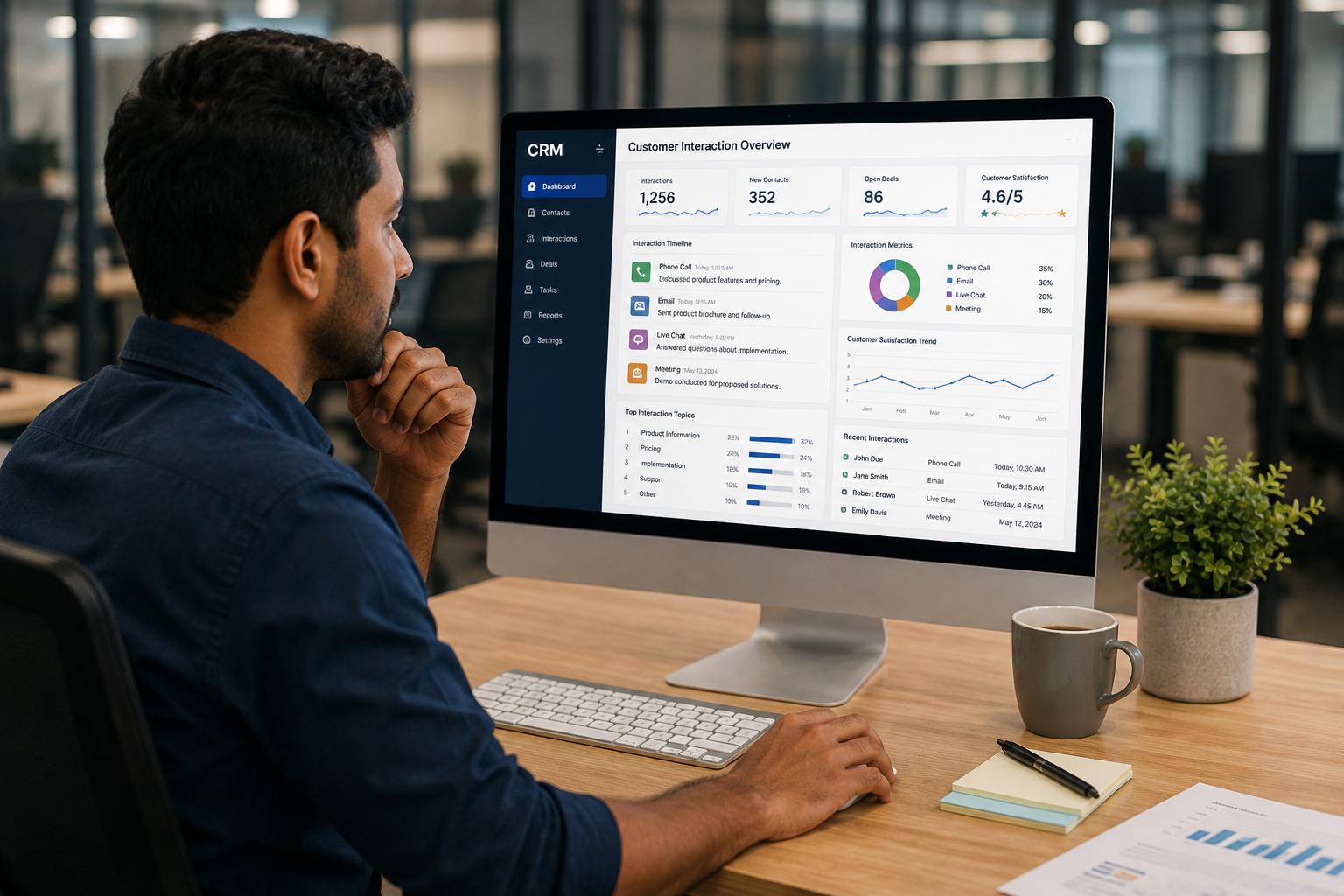
Every customer interaction generates information that can improve future service, sales, and retention. Without a consistent method of capturing this information, most of it is lost within days.
Many businesses focus on having the conversation itself but overlook what happens immediately afterward. This gap is where valuable context disappears, often permanently.
A strctured customer management system addresses this gap by defining what should be recorded after each interaction. This article outlines the specific data points worth tracking and explains why consistent recording improves long-term customer relationships.
Why Post-Interaction Tracking Matters
Customer interactions rarely exist in isolation. A single conversation often connects to a prior purchase, an earlier complaint, or a future decision point.
Without a record of what was discussed, each subsequent interaction starts from zero. This creates repetitive conversations, inconsistent service, and missed opportunities to act on prior context.
A customer management system ensures that relevant details persist beyond the immediate conversation. This allows any team member to continue a relationship accurately, regardless of who handled the previous interaction.
What to Track After Every Customer Interaction
The specific data points below represent the core information most businesses benefit from recording consistently.
Contact and Interaction Details
Basic details should be logged for every interaction, including the date, channel, and duration. This creates a clear timeline of engagement with each customer.
Recording the channel used, such as phone, email, or chat, also helps identify which communication methods customers prefer. This information can inform future outreach strategies.
Purpose and Outcome of the Interaction
Every interaction should include a brief note on its purpose and result. This might include a support request, a sales inquiry, or a general question.
Recording the outcome, such as resolved, pending, or escalated, provides an immediate status update. This is one of the most frequently referenced fields during follow-up interactions.
Follow-Up Actions and Owners
If any action is required after the interaction, it should be recorded with a clear owner and deadline. Unassigned follow-ups are a common cause of dropped tasks.
A customer management system typically automates this step, generating a task automatically based on the interaction outcome. This reduces reliance on manual reminders.
Customer Sentiment or Satisfaction
Recording a brief sentiment indicator, even a simple positive, neutral, or negative rating, provides useful context for future interactions.
This is particularly valuable when identifying at-risk accounts. A pattern of negative interactions often precedes churn, and early visibility allows for proactive intervention.
Products or Services Discussed
Noting which specific products or services were part of the conversation helps build a more complete customer profile over time.
This information supports more relevant future communication, including targeted offers or renewal reminders based on actual usage or interest.
Open Issues or Unresolved Concerns
Any concern raised but not fully resolved during the interaction should be clearly flagged. This prevents issues from being closed prematurely or forgotten entirely.
A visible record of open issues also supports accurate reporting on resolution timelines, which is useful for service quality tracking.
Preferences and Special Notes
Details such as preferred contact times, communication style, or specific requirements should be recorded when mentioned. This information is easy to overlook but has a meaningful impact on customer experience.
Small details, when remembered consistently, contribute significantly to a customer's overall perception of service quality.
Why a Customer Management System Makes This Easier
Manually recording all of the above information after every interaction is time-consuming and inconsistent across team members. Some details get skipped entirely during busy periods.
A customer management system simplifies this process through structured fields, templates, and automation. Rather than relying on free-form notes, staff complete a consistent set of fields for every interaction.
This consistency ensures that all recorded data remains usable for reporting and future reference. Unstructured notes, by comparison, are difficult to search or analyse at scale.
Common Mistakes to Avoid When Logging Interactions
Several common errors reduce the usefulness of interaction records, even when data is technically being recorded.
Frequent mistakes include:
- Recording information too long after the interaction, which reduces accuracy due to memory gaps
- Using inconsistent terminology, making records difficult to search or compare later
- Omitting the outcome or next step, leaving the record incomplete for future reference
- Failing to flag unresolved issues clearly, which can result in issues being overlooked
- Skipping sentiment tracking, removing an early warning signal for dissatisfaction
Avoiding these mistakes requires clear internal guidelines on what to record and when. Logging information immediately after an interaction, rather than at the end of the day, significantly improves accuracy.
How This Data Improves Long-Term Customer Relationships
Consistent interaction tracking compounds in value over time. A single record provides limited insight, but a complete history reveals patterns that inform better decision-making.
This data supports several practical outcomes:
- More personalized communication, based on documented preferences and history
- Faster issue resolution, since agents have full context immediately
- Improved retention, through early identification of dissatisfied customers
- Better internal reporting, based on structured, comparable data across the team
Over time, this accumulated history becomes one of a business's most valuable assets, informing decisions well beyond individual customer interactions.
Conclusion
What gets tracked after a customer interaction often determines the quality of every interaction that follows. Businesses that record this information consistently build stronger, more informed customer relationships over time.
A structured customer management system removes the guesswork from this process, ensuring that key details are captured accurately and consistently across the team. Solutions like Shrivra offer cloud-based business automation tools, including customer management solutions designed to help businesses capture, organise, and act on this information effectively.
Frequently Asked Questions
What is the most important thing to track after a customer interaction?
The outcome and any required follow-up action are the most critical details. Without these, a customer management system cannot ensure accountability. Missing this step is the leading cause of dropped tasks.
How soon after an interaction should details be logged?
Details should be recorded immediately, ideally within minutes of the interaction ending. Delayed logging reduces accuracy due to memory gaps. Same-day logging at the latest is recommended for consistency.
Does tracking customer sentiment really make a difference?
Yes, sentiment tracking helps identify at-risk customers early. A pattern of negative interactions often signals potential churn. Catching this trend early allows for timely, proactive outreach.
Can small teams benefit from a customer management system, or is it only for larger businesses?
Small teams benefit significantly, especially as customer volume grows. A customer management system prevents information loss even with just a few team members. Consistency matters more than team size.
What happens if interaction data is recorded inconsistently across a team?
Inconsistent data becomes difficult to search, compare, or report on accurately. This weakens the value of the entire customer history. Standardised fields and templates help maintain consistency across all team members.
Tags : customer management system