Cultural Craftsmanship and Modern Design Are Giving Indonesian Jewellery a New Identity
By Adam Williamson 20-09-2026 2
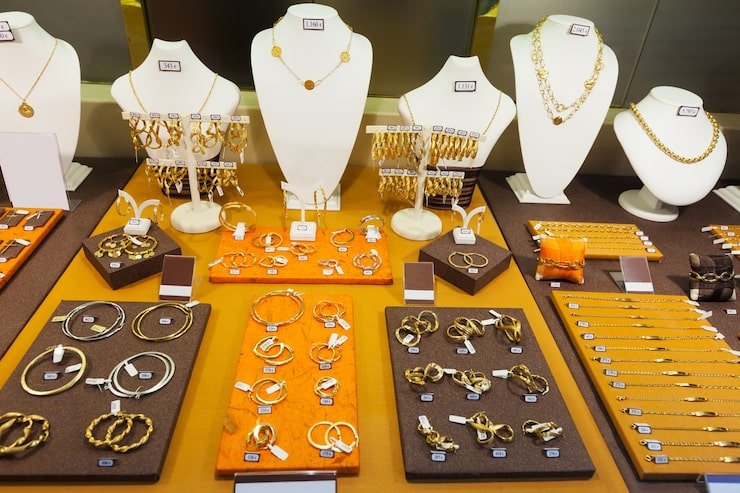
Indonesia’s jewellery sector combines precious materials with a deep tradition of craftsmanship, regional design influences and contemporary styling. Gold and silver remain important materials, while pearls and gemstones allow designers to create products ranging from traditional pieces to minimalist everyday jewellery. Cultural identity is particularly relevant because Indonesian artisans can translate local motifs and craft techniques into designs that stand apart from standardized jewellery.
According to a Vyansa Intelligence report, the Indonesia jewellery market was valued at USD 2.66 billion in 2025 and is projected to reach USD 3.29 billion by 2032, representing a 3.08% CAGR during 2026–2032.
Local Craftsmanship Gives Jewellery a Distinctive Character
Indonesia has a longstanding tradition of jewellery making supported by skilled artisans and diverse regional influences. Jewellery can incorporate local aesthetics while remaining suitable for contemporary fashion and gifting.
Indonesia’s Ministry of Industry highlights design, craftsmanship, innovation and cultural identity as defining characteristics of the domestic jewellery industry. It also recognizes the use of materials including gold, silver, pearls and precious stones.
For an Indonesia jewellery market analysis, this combination provides an important source of differentiation. Jewellery businesses can develop products that carry recognizable local character without being restricted to purely traditional designs.
Gold Combines Adornment With Lasting Value
Gold jewellery has an interesting dual role for Indonesian consumers. It can be worn as an accessory while also carrying underlying material value.
Indonesia’s Ministry of Industry similarly describes jewellery as combining investment value with its function as a wearable and collectible product.
This distinction can influence how consumers evaluate a purchase. Design and craftsmanship matter, but buyers may also consider gold purity, weight and the long-term value associated with the precious metal.
These detailed jewellery industry insights show why gold jewellery can appeal across gifting, personal adornment and value-conscious purchasing occasions.
Flexible Designs Can Respond to Changing Gold Prices
Changes in gold prices can influence how consumers approach jewellery without removing their interest in the category.
The Ministry of Industry notes that jewellery manufacturers can adapt through different materials, designs, purity levels and product configurations when raw-material conditions or consumer purchasing power change.
Lightweight construction can be particularly useful in this environment. Designers can create visual detail through form, texture and craftsmanship rather than depending exclusively on heavier precious-metal content.
For a jewellery industry report, this adaptability is important because it allows manufacturers to address different consumer budgets while preserving the appeal of precious jewellery.
Indonesian Cultural Elements Can Support Design Differentiation
Cultural identity offers Indonesian jewellers a creative advantage.
The Ministry of Industry specifically identifies local cultural elements and craftsmanship as strengths that can make Indonesian jewellery distinctive.
Artisans can interpret regional motifs, traditional techniques and local aesthetic influences in contemporary ways. Rather than reproducing heritage pieces exactly, designers can incorporate cultural references into rings, earrings, necklaces and bracelets intended for modern wardrobes.
This approach can make jewellery meaningful both as personal adornment and as an expression of Indonesian identity.
Personalisation Is Expanding Creative Possibilities
Jewellery increasingly provides opportunities for consumers to express individual preferences.
Custom-made rings, engraved pieces, symbolic pendants and individually configured designs can give consumers stronger emotional connections with their purchases. Indonesia’s Ministry of Industry has highlighted custom design as an area of opportunity while also discussing technology-enabled personalisation within jewellery production.
For the latest jewellery industry analysis, personalisation is particularly relevant to independent workshops because it allows craftsmanship and specialist service to become competitive strengths.
Technology Is Complementing Traditional Jewellery Skills
Digital technology is creating new possibilities for jewellery designers without eliminating the role of traditional craftsmanship.
Indonesia’s Ministry of Industry identifies technological transformation as an important direction for domestic jewellery producers. It has also highlighted additive manufacturing as a tool capable of supporting lighter and more personalized jewellery designs.
Digital modelling can help designers experiment with complex shapes before production. Skilled artisans can then apply finishing, polishing, setting and other techniques that determine the quality of the final piece.
The result is an increasingly complementary relationship between digital design and manual expertise.
Gold Standards Can Strengthen Consumer Confidence
Consumers purchasing gold jewellery cannot determine precious-metal purity simply by looking at a finished product. Reliable standards and testing therefore have an important role.
Indonesia’s Ministry of Industry explains that the national standard for gold articles provides parameters for gold purity and supports product-quality assurance. The ministry has emphasized that standardized testing can help consumers obtain clearer assurance about the products they purchase.
For Indonesia jewellery market research, this quality framework is important because confidence in precious-metal content supports trust between manufacturers, retailers and consumers.
Everyday Jewellery Creates More Wearing Occasions
Jewellery does not need to be limited to weddings, celebrations or formal events. Contemporary designs can make precious jewellery suitable for regular personal styling.
Indonesia’s Ministry of Industry has noted that jewellery is increasingly connected with everyday lifestyles and highlighted minimalist design among the directions influencing product development.
Lightweight earrings, understated rings, bracelets and simple necklaces can make jewellery easier to integrate into daily wardrobes.
This gives designers opportunities to serve consumers who want precious pieces that feel personal without necessarily appearing ceremonial.
Digital Discovery Can Work Alongside Physical Retail
Jewellery remains a product that many consumers prefer to inspect directly, particularly when precious materials and craftsmanship influence value.
Digital channels can nevertheless support discovery. Consumers can browse designs, research materials and shortlist products before visiting a store or workshop.
For retailers, the strongest approach can combine detailed online information with physical expertise. Accurate photographs and material descriptions support research, while stores allow buyers to examine finishing, fit and appearance before purchasing.
Indonesian Jewellery Can Balance Heritage With Innovation
Indonesia’s jewellery sector has a strong creative foundation built around precious materials, artisan skills and cultural diversity. These characteristics provide designers with opportunities to develop pieces that remain connected with Indonesian identity while responding to contemporary consumer preferences.
Technology and personalisation can expand what craftspeople are able to create, while national standards provide an important framework for gold-product quality. Lightweight and everyday designs can further broaden the occasions on which consumers choose to wear jewellery.
The future direction of Indonesian jewellery does not require choosing between tradition and modernity. Combining cultural craftsmanship, transparent material quality, contemporary design and appropriate technology can allow the sector to preserve its identity while continuing to evolve.