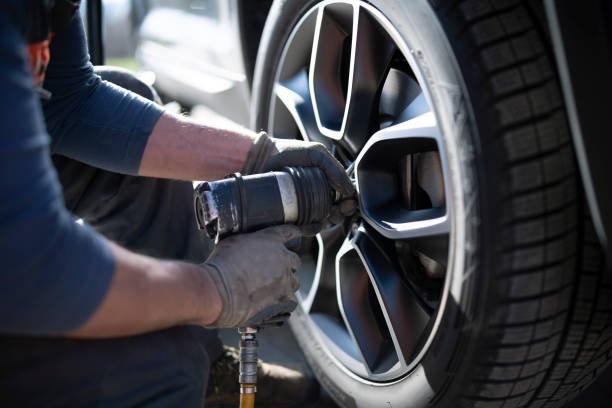
Nigeria's automotive landscape is undergoing a steady transformation as rising urbanization, increasing commercial transportation, and the growing use of pre-owned vehicles continue to influence tire demand across the country. Tires remain one of the most essential vehicle components, directly affecting road safety, fuel efficiency, and driving performance. As more passenger cars, commercial vehicles, and motorcycles operate on Nigerian roads, the need for reliable tire maintenance and timely replacement has become increasingly important.
According to the Nigeria tire market analysis published by MarkNtel Advisors, the country's tire sector is being supported by a growing vehicle fleet, increasing imports of used vehicles, and expanding transportation activities. The Nigeria tire report also highlights that replacement tires continue to account for a significant share of demand as vehicle owners prioritize maintenance over purchasing new vehicles. These changing consumption patterns reflect the evolving mobility requirements across the country.
Rising Vehicle Ownership Is Increasing Tire Replacement Demand
Nigeria has experienced continuous growth in personal and commercial mobility over the past decade. While purchasing brand-new vehicles remains costly for many consumers, imported second-hand vehicles have become a practical alternative for households and businesses. Since used vehicles generally require more frequent maintenance, tire replacement has become a recurring necessity rather than an occasional expense.
This shift has strengthened demand for aftermarket tires across passenger cars, light commercial vehicles, buses, and heavy trucks. Proper tire maintenance is also essential for reducing accident risks. According to the National Highway Traffic Safety Administration (NHTSA), maintaining correct tire pressure and tread depth significantly improves vehicle safety, braking performance, and fuel efficiency.
Commercial Transportation Drives Consistent Tire Consumption
Road transportation remains the backbone of Nigeria's logistics and passenger movement. Trucks transport agricultural products, industrial goods, construction materials, and imported merchandise across long distances, while buses and minibuses serve millions of commuters daily.
Continuous operation under varying road conditions accelerates tire wear, making commercial fleets one of the largest consumers of replacement tires. Fleet operators increasingly recognize that investing in quality tires helps reduce downtime, improve fuel economy, and lower long-term operating costs.
The Nigeria tire market report indicates that increasing freight movement and expanding transportation services continue to support tire demand across commercial vehicle categories. This Nigeria tire analysis further reflects how logistics development contributes to sustained replacement cycles.
Road Conditions Continue to Influence Tire Lifespan
Road infrastructure plays a significant role in determining how long tires last. Uneven surfaces, potholes, overloaded vehicles, and extreme weather conditions can shorten tire life considerably. These operating conditions encourage vehicle owners to inspect and replace tires more frequently than they would under smoother driving environments.
Routine wheel alignment, balancing, and proper inflation help minimize uneven wear while improving handling and reducing fuel consumption. Drivers who follow recommended maintenance schedules often achieve better tire performance and longer service life.
The U.S. Department of Energy also notes that properly inflated tires can improve fuel efficiency by reducing rolling resistance, highlighting another practical benefit of routine tire maintenance.
Passenger Cars Remain a Key Source of Demand
Passenger vehicles continue to represent an important segment of Nigeria's automotive sector. Rising urban populations, expanding economic activities, and increasing mobility needs have encouraged more households to own private vehicles despite broader economic challenges.
As passenger cars remain in operation for longer periods, replacement tires become an unavoidable maintenance expense. Consumers increasingly compare durability, affordability, fuel efficiency, and safety features before selecting replacement tires, creating opportunities for manufacturers offering products across multiple price ranges.
This evolving purchasing behaviour is encouraging both international and regional tire brands to strengthen their distribution networks throughout Nigeria.
Technology Is Improving Tire Performance
Modern tire technology continues to evolve beyond traditional rubber compounds. Manufacturers are introducing improved tread designs, stronger sidewall construction, and advanced materials that enhance durability, traction, and fuel efficiency.
Digital tire monitoring technologies are also becoming more common globally. Tire Pressure Monitoring Systems (TPMS) help drivers detect pressure loss before it creates safety concerns or excessive tire wear. These innovations support preventive maintenance while improving overall driving safety.
As technological adoption gradually expands across Africa's automotive sector, Nigeria may witness increasing acceptance of smarter tire solutions over the coming years.
Sustainability Is Becoming Part of Tire Manufacturing
Environmental sustainability is influencing the global tire industry as manufacturers seek to reduce emissions and improve resource efficiency. Many companies are investing in recyclable materials, renewable raw materials, and energy-efficient manufacturing processes.
Organizations such as the United Nations Environment Programme (UNEP) continue to encourage sustainable production practices that minimize environmental impact while supporting circular economy initiatives.
Although sustainability adoption varies across different regions, environmentally responsible tire production is expected to become increasingly important for manufacturers serving international markets.
Distribution Networks Continue to Expand
Nigeria's tire supply chain continues to evolve alongside broader retail modernization. Traditional dealerships remain important sales channels, but independent distributors, specialized tire retailers, and digital commerce platforms are gradually improving product accessibility.
Improved distribution allows consumers to compare brands, prices, and specifications more easily before making purchasing decisions. Greater availability also supports fleet operators seeking reliable replacement options for commercial vehicles operating across different regions.
As transportation infrastructure and retail networks continue developing, tire accessibility is expected to improve further for both urban and regional consumers.
Conclusion
Nigeria's automotive sector continues to create steady opportunities for tire manufacturers, distributors, and service providers. Expanding vehicle ownership, rising commercial transportation, growing demand for replacement tires, and increasing awareness of vehicle maintenance are collectively shaping long-term demand.
Rather than depending solely on new vehicle sales, Nigeria's tire sector is increasingly driven by maintenance requirements and replacement cycles that support consistent consumption. As highlighted in the Nigeria tire market report by MarkNtel Advisors, evolving transportation needs, expanding logistics activities, and growing consumer awareness will remain important factors influencing the country's tire ecosystem in the years ahead.
Tags : Nigeria tire report