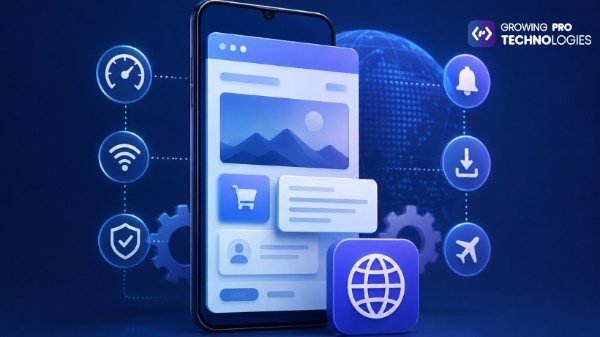
Today’s organizations are in a highly competitive world where speed, efficiency and customer satisfaction are keys to long term success. All sectors are always looking for improved ways to streamline processes, cut costs and improve decision-making. That’s where smart software solutions play a big role. These technologies integrate automation, data analytics, cloud computing and artificial intelligence to help firms work smarter and expand quicker.
From little startups to massive corporations, organizations are spending on digital technologies to streamline day-to-day activities and deliver better customer experiences. Intelligent software does more than just deal with data. It helps firms spot trends, forecast outcomes, automate routine processes and generally become more productive. As client expectations keep growing, organizations that implement current software solutions have a certain edge over rivals that stick to old methods.
Understanding Intelligent Software Solutions
Intelligent software solutions are advanced digital systems designed to improve operational efficiency and business decision-making. These systems often include technologies such as machine learning, cloud computing, automation, customer relationship management platforms, and data analytics tools.
Unlike traditional software, intelligent systems can process large amounts of information in real time and provide actionable insights. They learn from data, adapt to user behavior, and support businesses in making faster and more accurate decisions.
For example, an eCommerce business can use intelligent software to recommend products based on customer behavior. A healthcare provider can automate appointment scheduling and patient management. A logistics company can optimize delivery routes using real-time tracking and predictive analytics.
These solutions help businesses reduce manual effort while increasing speed and accuracy across operations.
Enhancing Productivity Through Automation
One of the biggest benefits of intelligent software solutions is automation. Many businesses waste valuable time on repetitive administrative tasks such as data entry, invoice processing, inventory updates, and report generation. Intelligent systems automate these tasks, allowing employees to focus on more strategic and creative responsibilities.
Automation reduces human error and improves consistency. Employees no longer need to spend hours performing manual work that software can complete within minutes. This leads to increased productivity and better resource management.
For instance, automated customer support systems can answer common questions instantly, improving response times and customer satisfaction. Marketing automation tools can schedule campaigns, track engagement, and analyze customer behavior without constant manual input.
Businesses that invest in automation often see improved operational efficiency and reduced labor costs over time.
Better Decision-Making With Real-Time Data
Data plays a crucial role in modern business operations. However, collecting data alone is not enough. Businesses need systems that can analyze information and provide meaningful insights.
Intelligent software solutions help organizations monitor performance metrics, customer trends, financial reports, and operational data in real time. This allows business leaders to make informed decisions quickly and accurately.
For example, retail companies can analyze customer buying patterns to adjust pricing strategies and inventory levels. Manufacturing firms can monitor equipment performance to prevent downtime and reduce maintenance costs.
Real-time analytics also help businesses identify market opportunities and respond to changing customer demands more effectively. Instead of relying on guesswork, companies can make strategic decisions backed by accurate data.
A reliable custom app development company can design software tailored to a business’s specific goals, helping organizations gain deeper insights into their operations and customer behavior.
Improving Customer Experience
Customer experience has become one of the most important factors influencing business success. Consumers expect fast responses, personalized services, and seamless digital interactions. Intelligent software solutions help businesses meet these expectations more effectively.
Customer relationship management systems allow businesses to store customer information, track interactions, and personalize communication. AI-powered chatbots provide instant support and improve customer engagement. Recommendation engines suggest products or services based on user preferences and purchase history.
Businesses that use intelligent software can build stronger customer relationships by delivering personalized experiences. This increases customer satisfaction, loyalty, and retention.
For example, online retailers use intelligent recommendation systems to show customers products they are most likely to purchase. Financial institutions use automated systems to provide faster loan approvals and personalized financial advice.
By understanding customer behavior and preferences, businesses can create more targeted marketing strategies and improve overall customer engagement.
Streamlining Business Operations
Efficient business operations are essential for maintaining profitability and scalability. Intelligent software solutions simplify workflows and improve communication between departments.
Cloud-based platforms enable employees to access information from anywhere, supporting remote work and collaboration. Project management tools help teams track progress, assign tasks, and manage deadlines efficiently.
Integrated systems eliminate data silos by connecting different departments such as sales, marketing, finance, and customer support. This improves transparency and ensures that teams work with accurate and updated information.
For example, a company using integrated enterprise software can automatically sync inventory updates with sales and accounting systems. This reduces errors and improves operational coordination.
Organizations that streamline operations through intelligent software often achieve faster turnaround times, better productivity, and improved customer service.
Strengthening Security and Data Protection
Cybersecurity is a growing concern for businesses of all sizes. As companies store more sensitive information online, they face increasing risks related to data breaches, cyberattacks, and unauthorized access.
Intelligent software solutions include advanced security features such as encryption, multi-factor authentication, threat detection, and automated monitoring systems. These technologies help businesses identify potential threats before they cause major damage.
AI-powered security tools can analyze unusual activity patterns and detect suspicious behavior in real time. Automated backup systems protect important business data and reduce the risk of data loss.
Businesses that prioritize cybersecurity build greater trust with customers and partners. Strong security practices also help organizations comply with industry regulations and data protection laws.
Working with an experienced custom app development company allows businesses to implement secure and scalable software systems that protect valuable information and support long-term growth.
Supporting Scalability and Business Growth
As businesses grow, their operational needs become more complex. Intelligent software solutions provide the flexibility and scalability required to support expansion.
Cloud-based systems allow businesses to increase storage capacity, add new users, and integrate additional features without major infrastructure investments. This makes it easier for organizations to scale operations efficiently.
For example, an expanding online store can upgrade its eCommerce platform to handle increased traffic and transactions during peak sales periods. A growing service-based company can automate scheduling and billing processes to manage a larger customer base.
Scalable software solutions also help businesses enter new markets and adapt to changing industry trends. Organizations can quickly update systems, launch new services, and improve customer experiences without disrupting operations.
Businesses that invest in scalable technology are better prepared to handle future growth opportunities.
Enhancing Collaboration and Communication
Effective communication is essential for team productivity and business success. Intelligent software solutions improve collaboration by providing centralized platforms for communication, file sharing, and project management.
Remote and hybrid work environments have increased the need for digital collaboration tools. Cloud-based communication platforms allow teams to work together regardless of location.
Employees can share updates, manage projects, and access important documents in real time. This improves workflow efficiency and reduces delays caused by communication gaps.
For example, customer support teams can use integrated software to track customer issues and collaborate on solutions. Sales and marketing departments can share campaign data to improve lead generation strategies.
A skilled custom app development company can create collaboration tools tailored to a business’s internal processes, helping teams work more efficiently and stay aligned with organizational goals.
Reducing Operational Costs
Cost reduction is another major advantage of intelligent software solutions. Automation, cloud computing, and data-driven processes help businesses minimize unnecessary expenses and optimize resource allocation.
Manual processes often require significant labor costs and are more prone to errors. Intelligent systems reduce the need for repetitive tasks while improving accuracy and efficiency.
Cloud-based solutions eliminate the need for expensive on-site hardware and maintenance. Businesses can access scalable software services through subscription-based models, reducing upfront technology costs.
Predictive analytics also help organizations avoid costly disruptions by identifying potential issues before they become major problems. For example, predictive maintenance systems can detect equipment failures early, reducing downtime and repair expenses.
Businesses that implement intelligent software solutions often experience long-term financial benefits through improved efficiency and reduced operational waste.
Staying Competitive in a Digital Market
Technology continues to reshape industries at a rapid pace. Businesses that fail to adopt modern software solutions risk falling behind competitors that operate more efficiently and deliver better customer experiences.
Intelligent software helps companies remain agile and responsive in changing market conditions. Organizations can quickly adapt to customer demands, analyze industry trends, and launch innovative products or services.
Digital transformation is no longer optional for businesses seeking sustainable growth. Companies that invest in intelligent technology gain a competitive advantage through improved productivity, better customer engagement, and faster decision-making.
Partnering with a trusted custom app development company enables businesses to build customized digital solutions that align with their long-term objectives and industry requirements.
Conclusion
Intelligent software solutions have become essential tools for improving business performance in today’s digital economy. These systems enhance productivity, automate repetitive tasks, improve customer experiences, strengthen security, and support business growth.
Organizations that adopt modern software technologies can make better decisions, streamline operations, and respond more effectively to changing market demands. Whether through automation, real-time analytics, cloud computing, or AI-driven insights, intelligent software creates opportunities for businesses to operate more efficiently and competitively.
As industries continue to evolve, businesses that invest in advanced digital solutions will be better positioned for long-term success. Intelligent software is not just a technology upgrade. It is a strategic investment that helps companies improve performance, increase profitability, and build stronger relationships with customers in an increasingly connected world.