Walk through any factory floor, electronics plant, or automotive workshop, and you’ll notice labels doing silent but crucial work. They mark parts, carry safety instructions, track products, and guide technicians. In environments where the heat is extreme, regular labels fail. They peel, fade, or turn illegible, which can disrupt entire operations. This is where high-temperature labels come in. Designed to survive conditions that destroy ordinary labels, they provide clarity and consistency in industries where precision matters most.
Why Heat Resistance in Labels Matters
Labels are more than sticky tags. They carry essential data such as barcodes, part numbers, warnings, and compliance marks. Regular labels often deteriorate within hours in high-heat applications, such as automotive assembly or electronics manufacturing. When this happens, tracking is lost, safety is compromised, and regulatory compliance is at risk.
Consider a scenario in which electronic circuit boards are baked in reflow ovens during production. If the label burns or smears, the finished product leaves the factory without proper identification. This can lead to recalls, compliance penalties, or lost customers. In such cases, investing in high-temperature labels is not optional; it’s essential.
Key Features of High-Performance Labels
What makes these labels stand out is their engineered ability to resist conditions that most labels cannot endure. Let’s explore the qualities that make them valuable.
- Heat resistance: Depending on the material, they can survive continuous exposure to temperatures ranging from 200°F to 600°F.
- Chemical resistance: Many are designed to resist solvents, oils, and cleaning agents commonly found in industrial environments.
- Strong adhesion: Specialized adhesives ensure the label stays put even on rough, oily, or uneven surfaces.
- Durability: These labels maintain readability over time, withstanding abrasion and handling.
Such durability ensures traceability from production to final delivery.
Applications Across Industries
High-temperature labels are not limited to one sector. Their versatility makes them invaluable across a wide range of applications:
- Electronics: To withstand soldering ovens and ensure boards remain traceable.
- Automotive: For labeling engine parts, brake systems, and under-hood components.
- Aerospace: To mark turbine blades, jet engine parts, and high-stress areas.
- Medical devices: For sterilization processes involving autoclaves.
- Industrial equipment: To track heavy-duty machinery exposed to high heat.
Each application shares a common requirement: labels that survive conditions where normal tags cannot.
Balancing Cost and Performance
At first glance, high-temperature labels may appear expensive compared to standard options. However, their long-term value outweighs the upfront cost. Faded or lost labels can lead to operational downtime, failed audits, or replacement costs.
For example, an automotive company that switches to polyimide labels may find its initial investment higher. However, by eliminating relabeling, reducing production errors, and ensuring compliance, the overall savings far surpass the cost difference.
Choosing the Right Label for Your Business
To select the right label, you must consider several factors:
- Temperature range: What maximum and minimum heat levels will the label face?
- Surface type: Smooth, rough, oily, or metallic surfaces demand specific adhesives.
- Chemical exposure: Will the label contact solvents, oils, or water?
- Durability needs: How long must the label remain legible, days, months, or years?
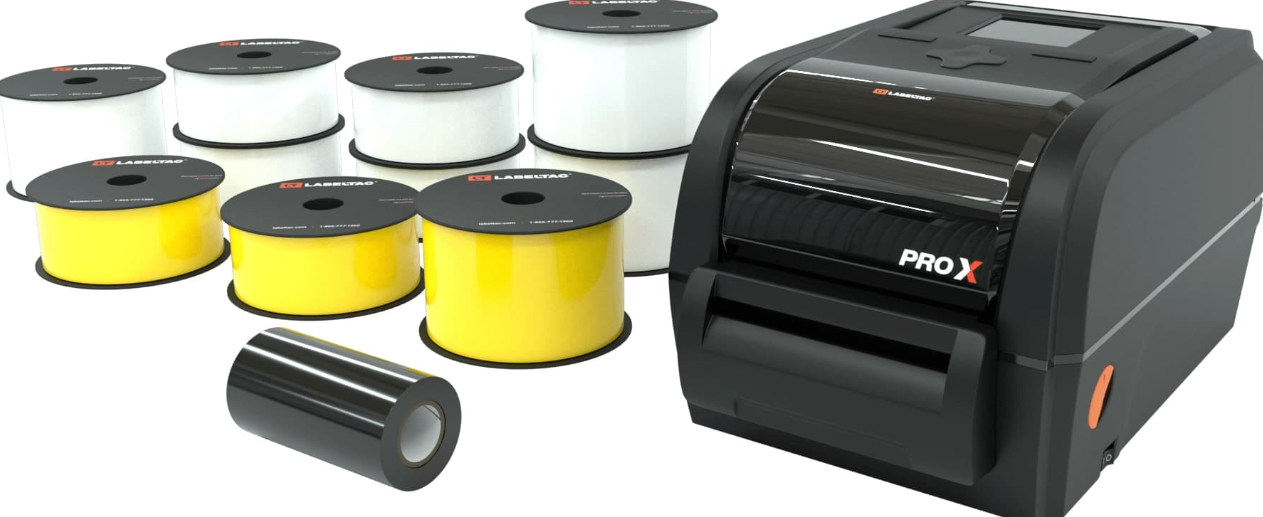
- Printer compatibility: Ensure the labels match the type of ribbon or ink your printer uses.
You can avoid costly trial-and-error purchases by aligning these factors with your operational needs.
Maintenance and Best Practices
Even the best labels can fail if not used correctly. Here are some best practices to follow:
- Proper surface preparation: Clean surfaces before applying labels. Dust, grease, or oil can weaken adhesion.
- Correct storage: Keep unused labels in cool, dry areas to maintain adhesive strength.
- Printer settings: Ensure heat and ribbon settings are adjusted to the label material for maximum clarity.
- Routine checks: Inspect labels periodically in high-stress environments to confirm legibility.
By following these practices, businesses can maximize the lifespan and performance of their labels.
Common Mistakes to Avoid
- Using low-cost standard labels in high-heat applications.
- Ignoring chemical exposure, which can damage otherwise heat-resistant labels.
- Overlooking adhesive compatibility with surfaces.
- Failing to consult suppliers about customized solutions for unique environments.
Avoiding these errors prevents unnecessary downtime and ensures smooth operations.
Final Thoughts
Labels may appear simple, but in high-stakes environments, they play a mission-critical role. Without them, traceability breaks down, compliance issues arise, and safety is compromised. Investing in high-temperature labels ensures your business operations run smoothly even under extreme conditions. By understanding the types, applications, and best practices, companies can confidently select labels that enhance durability, reduce costs, and support long-term reliability.
Tags : high temperature labels