How Pre-Employment Assessments Are Transforming Modern Hiring
By Muhammad Faisal Khan 07-04-2026 134
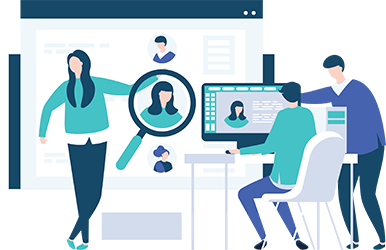
Finding the right candidate used to mean reviewing resumes, conducting interviews, and hoping your instincts led you in the right direction. But as workplaces evolve and roles become more complex, traditional hiring methods are no longer enough to ensure success. Organizations today need smarter, more reliable ways to identify top talent—and that’s where pre-employment assessments are making a powerful impact.
By integrating structured evaluation tools into the hiring process, companies can gain deeper insights into candidates’ abilities, behaviors, and potential. The result is better hiring decisions, stronger teams, and improved long-term outcomes.
Why Hiring Needs a Smarter Approach
The cost of a bad hire goes far beyond recruitment expenses. It can affect team morale, productivity, and even customer satisfaction. Yet many organizations still rely heavily on interviews and resumes, which only provide a partial picture.
Here’s why that approach often falls short:
Resumes don’t reflect real-world performance
They show past experience, but not how someone will perform in a new role.
Interviews are inherently subjective
Even experienced hiring managers can be influenced by bias or first impressions.
Skills gaps are hard to detect early
Without objective evaluation, it’s easy to overlook critical competencies.
To overcome these limitations, companies are turning to more data-driven and structured hiring practices.
What Is a Pre-Employment Assessment?
A pre-employment assessment is a tool used to evaluate candidates before hiring decisions are made. These assessments go beyond surface-level qualifications and measure attributes that are directly linked to job performance.
Common Types of Assessments
Cognitive ability tests: Measure problem-solving, reasoning, and learning capacity
Personality assessments: Evaluate behavioral traits and workplace tendencies
Skills-based tests: Assess technical or job-specific competencies
Situational judgment tests: Analyze how candidates respond to real-world scenarios
Each type provides valuable insights, helping employers build a more complete picture of a candidate.
The Advantages of Using Assessments in Hiring
Organizations that incorporate assessments into their hiring processes often see measurable improvements in both efficiency and outcomes.
1. Better Prediction of Job Performance
Assessments are designed to evaluate traits that directly correlate with success in a role. This makes them far more predictive than resumes alone.
2. Reduced Hiring Bias
Standardized testing ensures that all candidates are evaluated on the same criteria, helping reduce unconscious bias and improve fairness.
3. Faster, More Confident Decisions
With objective data at hand, hiring managers can make decisions more quickly and with greater confidence.
4. Improved Candidate Experience
Well-designed assessments can create a more engaging and transparent hiring process, giving candidates a clearer understanding of expectations.
How to Effectively Implement Pre-Employment Assessments
Adding assessments to your hiring process doesn’t have to be complicated. The key is to align them with your organizational goals and the specific requirements of each role.
Define What Success Looks Like
Start by identifying the key traits and skills needed for the role. This ensures your assessments are relevant and targeted.
Choose the Right Tools
Not all assessments are created equal. Look for validated tools that are scientifically backed and tailored to your industry.
If you’re exploring ways to enhance your hiring process with reliable evaluation methods, consider incorporating apre-employment assessment test that aligns with your organization’s talent strategy and hiring goals.
Integrate Assessments Seamlessly
Assessments should complement—not complicate—your hiring process. Integrate them at a stage where they add the most value, such as after initial screening.
Train Your Hiring Team
Ensure your team understands how to interpret assessment results and use them effectively in decision-making.
Common Misconceptions About Hiring Assessments
Despite their growing popularity, some misconceptions still exist around pre-employment assessments.
“They Replace Human Judgment”
In reality, assessments are meant to support decision-making, not replace it. They provide additional data points that enhance human insight.
“They’re Only for Large Companies”
Organizations of all sizes can benefit from assessments. In fact, smaller companies often gain even more value by avoiding costly hiring mistakes.
“They Slow Down the Hiring Process”
When implemented correctly, assessments can actually streamline hiring by quickly identifying top candidates.
Building a Future-Ready Workforce
As the workplace continues to evolve, the ability to hire effectively becomes a key competitive advantage. Organizations that adopt modern hiring practices are better positioned to attract, retain, and develop top talent.
Pre-employment assessments are not just a trend—they are a strategic tool that enables smarter, more informed hiring decisions. By leveraging these insights, companies can move beyond guesswork and build teams that are equipped for long-term success.
Conclusion
Hiring is one of the most important investments an organization can make. By incorporating structured, data-driven tools into the process, businesses can significantly improve their chances of finding the right fit.
Pre-employment assessments offer a powerful way to evaluate candidates more accurately, reduce bias, and enhance overall hiring outcomes. As companies continue to navigate an increasingly competitive talent landscape, those who embrace these tools will be better prepared to build strong, high-performing teams.