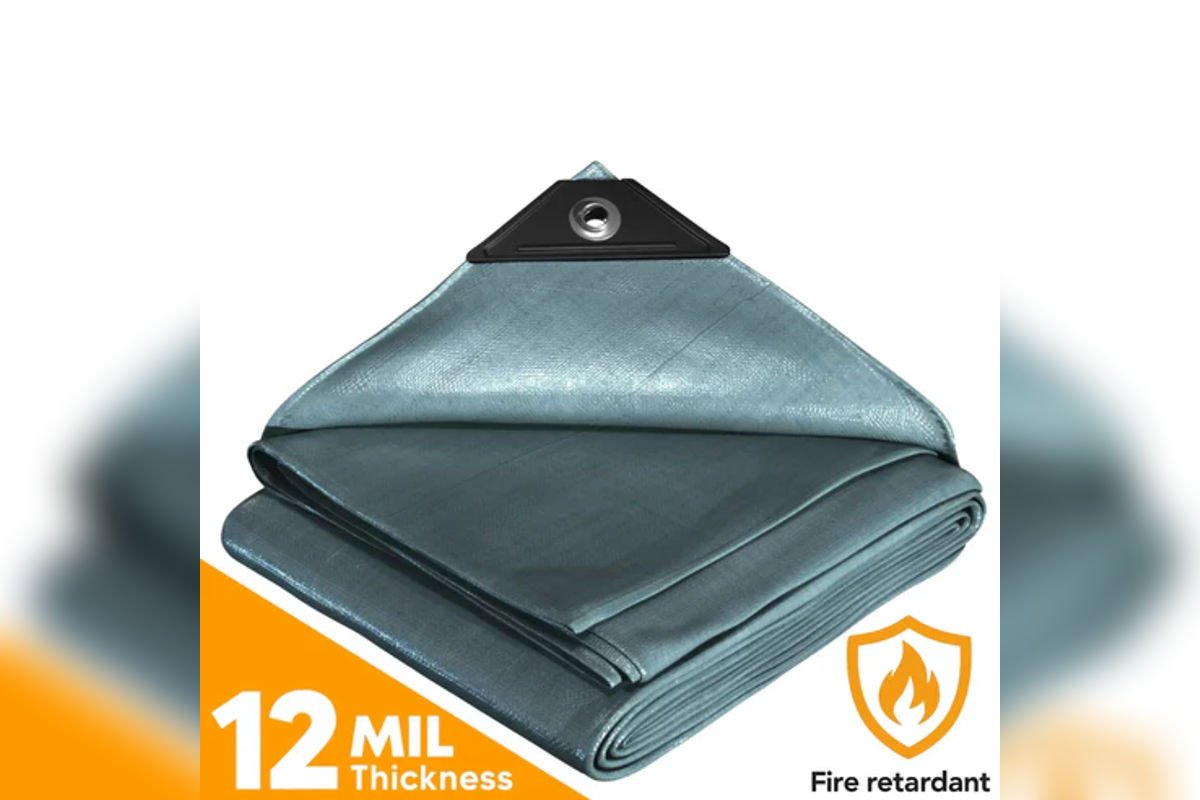
When it comes to industrial settings, safety is always the top priority. One of the most important safety measures is using materials that can resist fire. Industrial tarps are no exception. These heavy-duty covers protect everything from construction equipment to large storage areas, and in many cases, they need to stand strong against heat and flames. But have you ever wondered how manufacturers make sure these tarps are truly fire-resistant? Let’s explore how fire resistance in industrial tarps is tested, rated, and trusted for safety across the USA.
Understanding Fire Resistance in Industrial Tarps
Before getting into the testing process, it helps to understand what “fire resistance” really means. A fire-resistant tarp doesn’t mean it can never burn—it means it can slow down or stop the spread of fire. These tarps are built to handle high heat without melting or catching fire quickly, giving people more time to react and reducing damage or injury. Commonly used in construction, factories, warehouses, and outdoor events, they protect workers, materials, and equipment from sparks and flames.
How Fire Resistance Is Achieved
To make a tarp fire-resistant, manufacturers use special coatings and fabrics that can handle heat. Common materials include PVC (polyvinyl chloride), vinyl, and fiberglass. These materials are either treated with fire-retardant chemicals or woven with fibers that naturally resist fire. The fire-resistant chemicals create a protective barrier when exposed to flames. Instead of burning, the tarp will char or smolder, which prevents the fire from spreading quickly. This controlled reaction is what makes these tarps safer than regular ones.
Why Testing Fire Resistance Matters
Testing is what separates a regular tarp from one you can truly trust. Without testing, there’s no guarantee that the tarp will perform well in a real-life fire situation. Fire tests ensure that each tarp meets strict safety standards before it’s used in any industrial or commercial setting. In the USA, fire resistance tests follow NFPA, ASTM, and CSFM standards, showing how well a tarp can withstand fire and guiding buyers on its protection level.
Common Fire Resistance Tests for Industrial Tarps
Different tests measure different aspects of fire performance. Here are some of the most common tests used to check fire resistance in industrial tarps:
1. NFPA 701 Test (Flame Propagation Test)
This is one of the most widely recognized tests in the USA. The NFPA 701 test measures how fast a fabric burns when exposed to an open flame. During the test, a small sample of tarp material is placed in front of a controlled flame for a set amount of time.
If the material stops burning within a few seconds after the flame is removed, it passes the test. This shows that the tarp can resist fire well enough to prevent flames from spreading.
2. ASTM E84 Test (Surface Burning Test)
This test checks how fast flames move along the surface of a tarp and how much smoke it produces. It’s often called the “Tunnel Test” because it’s done inside a long tunnel-shaped chamber. Test results are shown as a Flame Spread Index (FSI) and Smoke Developed Index (SDI). Lower numbers indicate better fire resistance, making the material safer for use near heat or in buildings.
3. California State Fire Marshal (CSFM) Test
Some states, especially California, have their own testing standards because of their strict fire safety laws. The CSFM test is one example. It ensures that fabrics used in public or industrial spaces meet the state’s fire codes. Tarps that pass this test are labeled “CSFM Approved,” showing they meet California’s strict fire safety standards.
How Fire Ratings Are Determined
After the testing is complete, tarps are given ratings based on their performance. These ratings help buyers understand how much protection a tarp can provide.
For example:
Fire-Resistant: The tarp can resist flames for a short time and self-extinguish when the fire source is removed.
Fire-Retardant: The tarp slows down the spread of fire but might still catch fire if exposed for too long.
Flame-Retardant Certified: The tarp has been officially tested and approved under national or state standards.
You might also see labels like “NFPA 701 Certified” or “Meets ASTM E84 Standards.” These ratings are a quick way to confirm that the tarp has gone through proper testing and meets safety expectations.
The Difference Between Fire-Resistant and Fireproof
Many people confuse “fireproof” with “fire-resistant,” but they’re not the same. Fireproof materials don’t burn under normal conditions, while fire-resistant ones can withstand flames for a limited time. When choosing Fireproof industrial covers, remember they’re made to slow fire spread—not stop it completely—giving you extra time to react safely.
How to Identify Quality Fire-Resistant Tarps
When buying industrial tarps, always check for NFPA 701 or ASTM E84 certification labels—these are trusted quality standards in the USA. Choose heavier, coated fabrics for stronger protection, and buy from reputable brands that clearly list safety ratings and provide proper documentation.
Conclusion
Fire-resistant tarps play a vital role in keeping industrial spaces safe from fire hazards. From strict testing procedures to clear safety ratings, these tarps are built to perform under pressure. When choosing one, always check for proper certifications and understand the differences between resistance levels. Reliable, tested tarps can make all the difference in an emergency. Businesses rely on Tarps Plus for durable, safety-tested industrial tarps that meet U.S. standards.