Exploring the Therapeutic Potential of Natural Killer (NK) Cells
By Xellera Therapeutics 05-03-2026 115
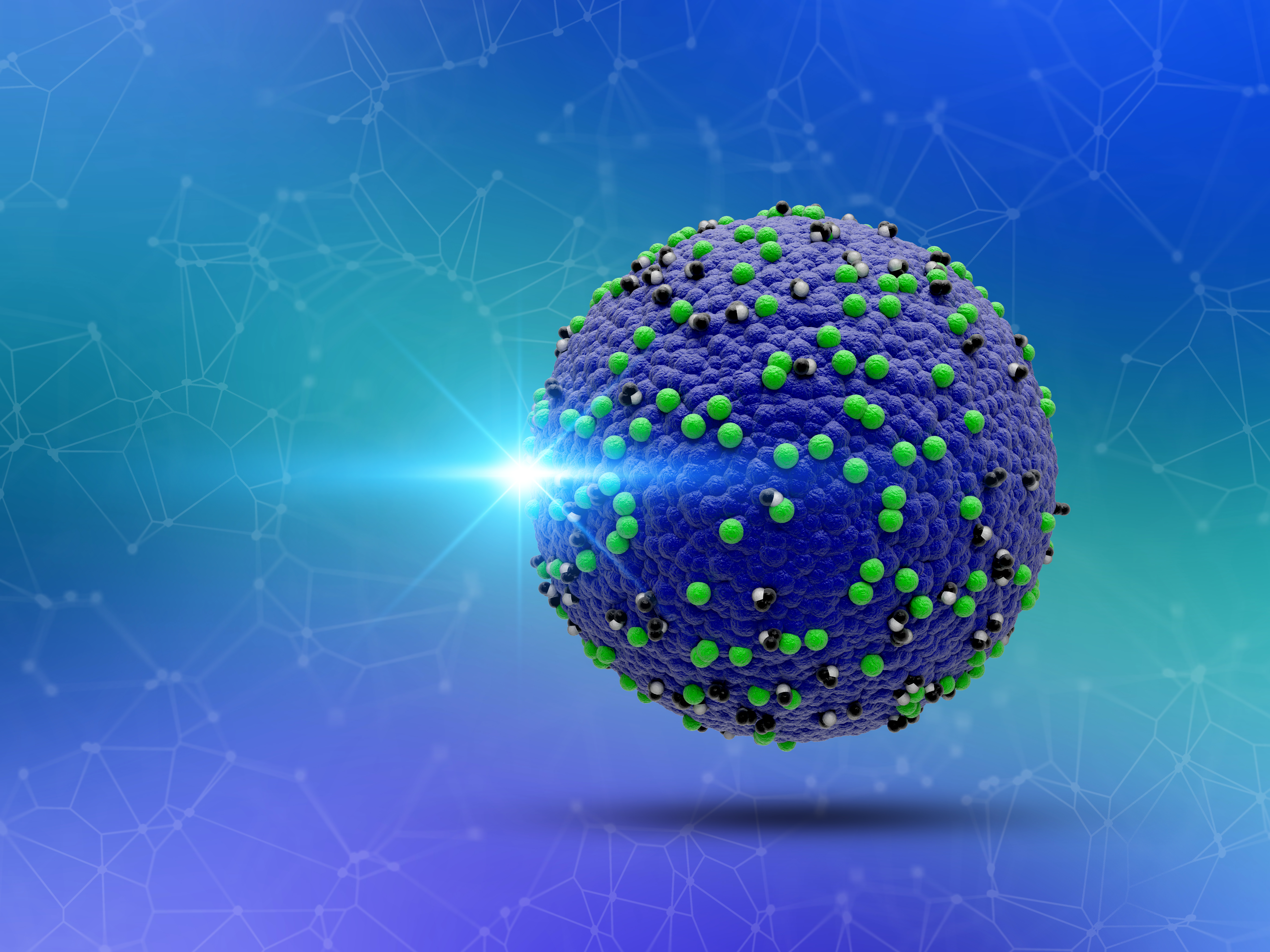
The human immune system is a powerful defense network designed to identify and eliminate harmful threats such as viruses, bacteria, and abnormal cells. Among the many immune components, Natural Killer (NK) Cells play a crucial role in protecting the body from infections and cancer. These specialized immune cells act quickly, identifying and destroying infected or malignant cells without the need for prior sensitization.
In recent years, scientists and medical researchers have been exploring the therapeutic potential of Natural Killer (NK) Cells in modern medicine. With advances in immunotherapy and biotechnology, these cells are emerging as promising tools for treating cancer, viral infections, and other complex diseases. Understanding how they function and how they can be harnessed therapeutically is becoming increasingly important for the future of healthcare.
What Are Natural Killer (NK) Cells?
Natural Killer (NK) Cells are a type of lymphocyte that forms part of the body’s innate immune system. Unlike other immune cells that require prior exposure to a pathogen to respond effectively, NK cells can recognize and attack abnormal cells immediately.
These cells patrol the body, identifying cells that show signs of infection or transformation into cancer. When a target cell is detected, Natural Killer (NK) Cells release cytotoxic molecules that destroy the harmful cell while leaving healthy cells unharmed.
This rapid-response mechanism makes NK cells particularly valuable in early immune defense. Their ability to recognize stressed or abnormal cells allows them to eliminate threats before they spread throughout the body.
How Natural Killer (NK) Cells Work
The effectiveness of Natural Killer (NK) Cells lies in their unique ability to distinguish between healthy and abnormal cells. They achieve this through a balance of activating and inhibitory receptors on their surface.
Healthy cells display certain molecular signals that tell NK cells not to attack. However, when cells become infected by viruses or transform into cancer cells, these signals often change or disappear. When this happens, Natural Killer (NK) Cells detect the abnormal pattern and initiate a targeted immune response.
Once activated, NK cells release substances such as perforin and granzymes that penetrate and destroy the target cell. This precise mechanism allows NK cells to control infections and tumor growth while minimizing damage to surrounding tissues.
The Role of Natural Killer (NK) Cells in Cancer Therapy
Cancer immunotherapy has become one of the most exciting areas of medical research, and Natural Killer (NK) Cells are playing an increasingly important role in this field.
Cancer cells often develop mechanisms to escape detection by the immune system. However, NK cells can recognize certain stress signals expressed by tumor cells, allowing them to attack cancers that may evade other immune responses.
Researchers are now developing therapies that enhance the activity of Natural Killer (NK) Cells or introduce engineered NK cells into patients to improve tumor targeting. These therapies aim to strengthen the body's natural ability to fight cancer.
Clinical studies have shown promising results, particularly in blood cancers such as leukemia and lymphoma. As research progresses, NK cell therapies may also become effective treatments for solid tumors.
Natural Killer (NK) Cells in Viral Infection Control
In addition to cancer treatment, Natural Killer (NK) Cells play a significant role in controlling viral infections. Viruses often infect host cells and manipulate them to avoid immune detection. NK cells help counter this strategy by identifying infected cells and eliminating them before the virus spreads.
Their rapid response is particularly important during the early stages of infection. By reducing the number of infected cells, Natural Killer (NK) Cells help limit viral replication and support the adaptive immune system in developing long-term immunity.
This ability makes NK cells a valuable focus of research for therapies targeting chronic viral infections and emerging infectious diseases.
Advances in NK Cell-Based Therapies
Recent advances in biotechnology have opened new possibilities for using Natural Killer (NK) Cells as therapeutic agents. Scientists are developing various strategies to enhance the effectiveness of NK cell treatments.
One approach involves expanding NK cells in specialized laboratory conditions to increase their numbers before infusing them into patients. Another strategy includes genetically modifying NK cells to improve their ability to recognize and attack specific cancer cells.
Researchers are also studying combination therapies where Natural Killer (NK) Cells are used alongside monoclonal antibodies, cytokines, or other immunotherapies. These combinations may enhance treatment outcomes and overcome resistance mechanisms.
As technology continues to evolve, NK cell-based therapies are expected to become more precise, scalable, and widely available.
Challenges and Future Directions
Despite the promising potential of Natural Killer (NK) Cells, several challenges remain in developing effective therapies. One of the primary challenges is ensuring that NK cells remain active and functional after being introduced into the patient’s body.
Additionally, researchers must identify optimal methods for expanding NK cells in large quantities while maintaining their potency. The tumor microenvironment can also suppress immune responses, making it difficult for NK cells to perform effectively in some cases.
However, ongoing research is addressing these obstacles through improved manufacturing techniques, genetic engineering, and combination treatment strategies. These efforts are helping unlock the full therapeutic potential of NK cell-based treatments.
Conclusion
The growing interest in Natural Killer (NK) Cells highlights their significant potential in modern medicine. As a key component of the innate immune system, these cells play a vital role in identifying and eliminating infected or cancerous cells.
Advancements in immunotherapy are now enabling scientists to harness the power of Natural Killer (NK) Cells to develop innovative treatments for cancer, viral infections, and other serious diseases. Although challenges remain, continued research and technological progress are paving the way for safer and more effective NK cell therapies.
In the future, Natural Killer (NK) Cells may become a cornerstone of personalized medicine, offering new hope for patients and transforming the way complex diseases are treated.
Tags : Healthcare