Understanding Heartfelt Repentance in Islam
Understanding Heartfelt Repentance in Islam
Repentance (Tawbah) is one of the most significant acts of worship in Islam. It is a spiritual process through which a believer acknowledges their mistakes, sincerely seeks forgiveness from Allah, and resolves to refrain from repeating the sin. Duas, or supplications, serve as a primary medium for expressing genuine repentance, allowing believers to open their hearts, express remorse, and seek divine mercy. For example, the supplication Rabbana Zalamna Anfusana is a profound expression of recognizing one’s shortcomings and asking Allah for forgiveness. Through such duas, Muslims not only confess their sins but also reinforce their commitment to live righteously, enhance self-discipline, and strengthen their spiritual connection with Allah. These supplications serve as both a reminder of human fallibility and a way to cultivate moral consciousness.
The Role of Quran in Guiding Repentance
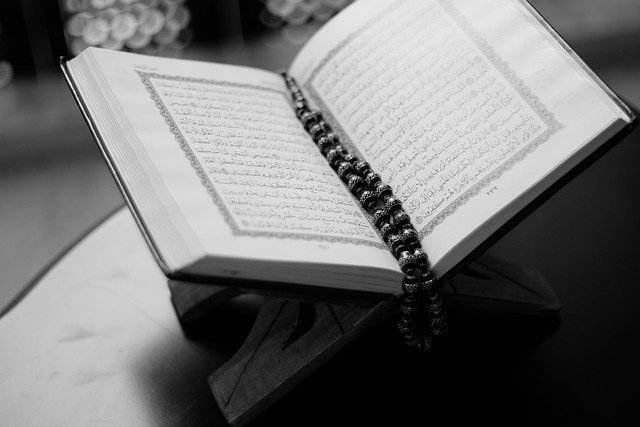
The Quran emphasizes the importance of seeking forgiveness and turning back to Allah after committing sins. Numerous verses highlight Allah’s boundless mercy and the necessity of sincere repentance. For instance, Allah says in the Quran:
“And those who, when they commit an immorality or wrong themselves, remember Allah and seek forgiveness for their sins...” (Surah Al-Imran 3:135)
This verse illustrates that recognizing one’s mistakes and actively seeking forgiveness through dua is a critical step toward spiritual purification. Supplications like Rabbana Zalamna Anfusana reflect this Quranic principle by encouraging believers to admit their wrongs and rely on Allah’s mercy rather than their own strength or efforts. The Quran consistently reminds believers that Allah is Most Forgiving and Most Merciful, reinforcing hope and motivating continuous spiritual improvement. Seeking forgiveness through dua also strengthens faith, reminding believers that human shortcomings are natural but can be redeemed through sincere effort.
Sunnah and the Practice of Dua for Repentance
The Sunnah of the Prophet Muhammad (peace be upon him) provides practical examples of using duas for repentance. The Prophet consistently encouraged Muslims to seek forgiveness, even for minor mistakes, emphasizing humility, sincerity, and self-awareness. He said:
“By Allah, I seek Allah’s forgiveness and repent to Him more than seventy times a day.” (Sahih al-Bukhari)
This practice underscores the importance of regular supplication and the heart’s role in true repentance. Duas inspired by the Sunnah, such as Rabbana Zalamna Anfusana, demonstrate how verbal acknowledgment of wrongdoing, combined with genuine intention, strengthens spiritual growth, moral awareness, and ethical behavior. Following the Sunnah helps believers integrate repentance into daily life, making it a continuous journey of self-improvement rather than an occasional act of ritual.
Practical Benefits of Heartfelt Repentance
Engaging in sincere duas for repentance has multiple benefits for a believer. Firstly, it fosters self-awareness and moral accountability, making individuals more mindful of their actions and intentions. Secondly, it reinforces hope in Allah’s mercy, encouraging believers to continue striving toward righteousness despite human imperfections. Thirdly, it cultivates inner peace, emotional relief, and resilience, as confessing sins and seeking forgiveness provides spiritual cleansing. Furthermore, heartfelt repentance encourages reflection on personal behavior, avoidance of repeating mistakes, and the cultivation of virtues like patience, gratitude, and humility. This ongoing spiritual practice helps believers build stronger character and fosters harmony between inner faith and outward actions.
Conclusion
Duas like Rabbana Zalamna Anfusana serve as powerful tools for heartfelt repentance, linking the teachings of the Quran and Sunnah with everyday spiritual practice. By acknowledging human shortcomings, seeking forgiveness, and committing to moral improvement, believers align themselves with divine guidance. Regularly incorporating such supplications into daily life nurtures humility, strengthens the connection with Allah, and fosters consistent personal and spiritual growth. In Islam, sincere repentance is not merely an obligation—it is a pathway to mercy, inner peace, and enduring faith, ultimately shaping character, guiding moral decisions, and leading one toward spiritual fulfillment and ethical excellence.
Tags : Rabbana Zalamna Anfusana Muslim