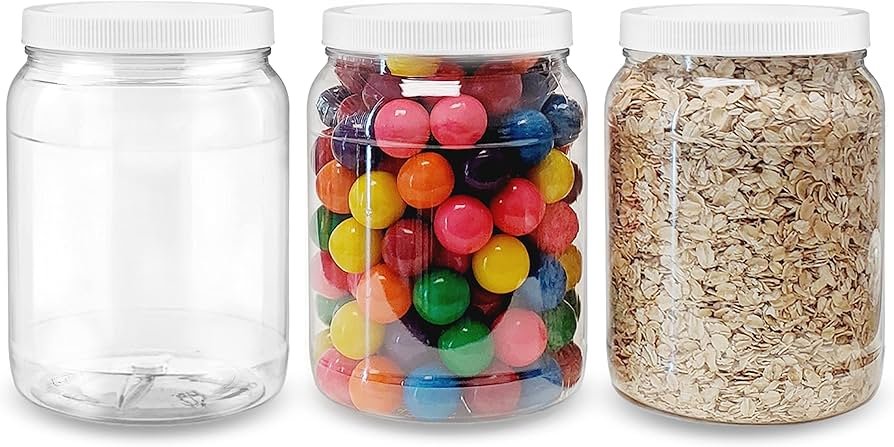
In recent years, sustainability has become a key priority for businesses. One brand made a bold move by removing plastic jars from its products. This case study explores how they approached the change, what challenges they faced, and the results of their decision.
Starting a Green Journey
The company began by understanding the growing concern around single-use packaging. Research showed that consumers were increasingly choosing brands that cared about the environment. Plastic jars were a major issue because they often ended up in landfills or oceans.
Leadership decided the company should lead by example. They explored alternatives that were eco-friendly yet practical. Glass, metal, and plant-based materials were all considered. Each option was tested for durability, cost, and sustainability.
The brand also ran small pilot programs. A few products were packaged in new materials to collect customer feedback. Surveys and online reviews helped identify what worked well and what needed improvement. Customers valued usability, design, and durability.
The supply chain needed adjustments too. Suppliers were consulted to ensure the new packaging could be reliably produced. Employees were trained in handling, storage, and shipment. This careful planning helped prevent disruptions during the transition.
Finally, the company communicated its plan publicly. Social media, press releases, and in-store signs explained the switch. Transparency created trust with customers. This approach laid a strong foundation for a successful move toward sustainability.
Picking the Right Packaging
Choosing the right alternative was critical. The company explored glass, aluminum, and biodegradable materials. Each had pros and cons. Glass was fully recyclable and kept products fresh but was heavy and fragile. Aluminum was durable and lightweight but costlier. Biodegradable options were environmentally friendly but less practical for storage.
The brand focused on three main factors: environmental impact, customer convenience, and cost. Environmental impact included emissions, recyclability, and waste reduction. Convenience meant ease of use, portability, and product appeal. Cost covered manufacturing, shipping, and storage.
Ultimately, a mix of glass and aluminum was chosen. Glass was used for airtight products, while aluminum worked for items that required frequent handling. Suppliers were closely involved to maintain quality and meet timelines. Labels were redesigned to highlight the sustainable change while keeping brand identity intact.
Communication with customers was key. The company explained the reasons for the change and highlighted the durability and recyclability of new containers. By addressing potential concerns early, the brand encouraged a smooth transition.
Reducing Environmental Impact
The shift away from traditional packaging reduced environmental harm significantly. By eliminating plastic jars, landfill waste decreased. The company also lowered dependence on fossil-fuel-based materials.
The new containers improved recyclability. Glass and aluminum are widely accepted in recycling programs. Customers were encouraged to reuse containers or recycle them properly. Social media and packaging included tips on responsible disposal.
A full life-cycle analysis was performed to measure environmental benefits. This included production, transportation, and disposal emissions. Results showed a clear reduction in carbon footprint, supporting the company’s sustainability claims.
There were also business benefits. Customers responded positively to the change, increasing loyalty and word-of-mouth promotion. Collaborations with environmental organizations and employee engagement programs strengthened the brand’s eco-conscious image.
This move proved that sustainability can bring both environmental and business gains. The company showed that thoughtful packaging changes can make a real difference.
Marketing the Change
Marketing was essential in driving customer awareness. Storytelling focused on why the company replaced plastic jars. Social media posts, videos, and blog content highlighted the environmental benefits and product quality.
Influencers were engaged to share their experiences with the new packaging. This generated organic reach and credibility. Product labels and store displays clearly explained the sustainability features.
Promotions and incentives encouraged participation:
- Discounts for returning containers
- Loyalty points for eco-friendly actions
Traditional media was used to showcase the brand as an innovator. Press releases, interviews, and magazine features positioned the company as a leader in sustainability.
By combining education, engagement, and incentives, marketing made customers feel involved. Transparency and clear communication helped boost acceptance of the new packaging.
Operational Challenges
Transitioning from plastic jars required operational changes. Glass is fragile, and aluminum can dent easily. Storage, transport, and handling all needed adjustments.
The company introduced protective packaging like molded pulp trays and recyclable padding. Staff were trained to handle fragile containers carefully. Delivery partners were also briefed to reduce damage risks.
Inventory management systems were updated to track new packaging sizes and weights. Suppliers were closely coordinated to ensure consistent quality. Backup suppliers were identified to prevent supply interruptions.
Internal communication was key. Weekly meetings allowed employees to report issues and share solutions. Customer service teams were prepared to answer questions and provide handling tips. These measures kept operations smooth and customers satisfied.
Customer Feedback
Customers reacted positively to the packaging change. Surveys showed satisfaction with durability, design, and eco-friendliness. Many appreciated the company’s environmental commitment.
Some raised concerns about breakage or storage. The brand addressed these by providing storage tips and instructions. Customers were also encouraged to reuse or recycle containers.
Word-of-mouth marketing grew as customers shared their experiences on social media. Interactive campaigns invited feedback and suggestions, fostering a sense of community.
Sales remained strong, showing that sustainability and customer satisfaction could go hand in hand. The brand demonstrated that environmentally responsible changes can be commercially successful.
Business Benefits
The change brought measurable results. Cost savings came from reduced waste and less dependency on single-use materials. Environmental metrics showed a smaller carbon footprint and less landfill contribution.
The brand’s reputation improved. Positive media coverage and customer reviews highlighted sustainability efforts. Sales of eco-friendly products increased, particularly among environmentally conscious buyers.
Employee engagement also grew. Staff were proud of the company’s initiatives, boosting morale and productivity. The shift demonstrated that sustainability and profitability can coexist.
Retail partners responded favorably, featuring the eco-friendly products more prominently. The brand’s leadership in sustainable packaging became a market differentiator.
Lessons Learned and Future Plans
The company learned several lessons. Gradual implementation and pilot testing ensured success. Transparent communication with customers, suppliers, and employees eased adoption.
Looking ahead, the brand plans to explore biodegradable packaging and refill stations. They aim to reduce environmental impact further while maintaining product quality.
Innovation in packaging has become part of the company’s strategy. Collaboration with stakeholders and continuous feedback will guide future decisions. The experience shows that sustainable practices can benefit the environment, the business, and the customers simultaneously.
Final Thoughts
This case study shows how a single strategic change can make a big impact. By removing plastic jars, the brand not only reduced environmental harm but also strengthened its relationship with customers. The company proved that sustainability and profitability can go hand in hand.
The journey wasn’t without challenges. Operational adjustments, supplier coordination, and customer education required careful planning. Yet, each obstacle was met with practical solutions and thoughtful communication. This approach ensured the transition was smooth and well-received.
Customers responded positively, showing that people value brands that take responsibility for the planet. Sales remained strong, and loyalty increased, proving that eco-friendly initiatives can drive business growth. Employees also felt proud, creating a culture of innovation and sustainability within the company.
Looking forward, the brand plans to continue exploring ways to minimize environmental impact. Initiatives like refill programs and biodegradable packaging are on the horizon. This demonstrates that sustainability is not a one-time effort but an ongoing commitment.
In the end, this case study highlights an important lesson: small, deliberate changes in business practices can produce meaningful results. By aligning operations with environmental responsibility and customer values, companies can create a win-win scenario—for the planet, their customers, and their own long-term success.
Place Your Order Now: https://ibexpackaging.com/plastic-jars/